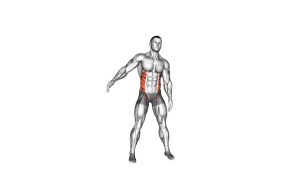
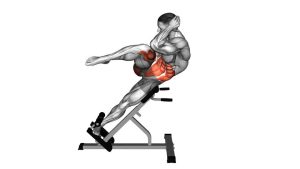
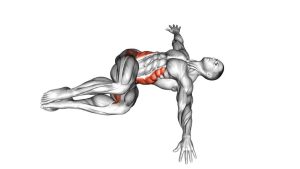
Boat Stretch: Proper Form, Core Benefits, Sets, Tips & FAQ
Learn how to do the Boat Stretch with proper form to strengthen your abs, obliques, hip flexors, and deep core. Includes setup, step-by-step execution, mistakes, FAQs, and equipment.
Boat Stretch
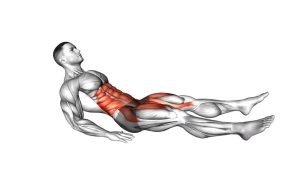
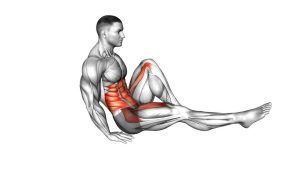
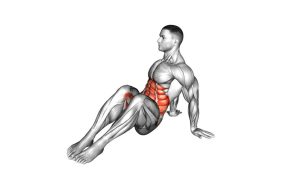
The Boat Stretch is especially useful for improving waist control, abdominal endurance, posture, and balance. In the video, the movement starts from a seated position, then the torso leans back as the legs lift away from the floor. This creates a V-shape through the body. From there, the core must work continuously to stop the body from collapsing backward, rounding excessively, or dropping the legs. Because the position requires both strength and control, this exercise is more than a simple stretch; it is also a powerful bodyweight core stability drill.
Although the exercise looks simple, it requires clean technique. The hips act as the balance point, while the abs and obliques help stabilize the trunk. The hip flexors assist by keeping the legs elevated, and the lower back works lightly to support the posture. For best results, keep the movement slow, breathe steadily, and avoid using momentum. The exercise should feel challenging in the midsection, not painful in the lower back or neck.
Quick Overview
| Body Part | Obliques |
|---|---|
| Primary Muscle | Obliques and rectus abdominis |
| Secondary Muscle | Hip flexors, transverse abdominis, lower back stabilizers, quadriceps |
| Equipment | Bodyweight only; optional exercise mat |
| Difficulty | Beginner to intermediate, depending on leg position and hold duration |
Sets & Reps (By Goal)
- Beginner core control: 2–3 sets × 10–20 second holds with knees bent and feet lightly elevated.
- Waist and oblique endurance: 3–4 sets × 20–35 second holds while keeping the torso steady and the abs braced.
- Core strength: 3–5 sets × 8–12 controlled reps if using a lift-and-lower style variation.
- Balance and stability: 2–4 sets × 15–30 seconds with slow breathing and minimal body shaking.
- Finisher option: 1–2 sets held near the end of an ab workout for controlled fatigue, not maximum strain.
Progression rule: Start with bent knees and short holds. Progress by extending the legs farther, increasing hold time, or adding slow side-to-side torso control only when your lower back stays comfortable and your posture remains clean.
Setup / Starting Position
- Sit on the floor: Begin seated on an exercise mat with your knees bent and your feet close to the floor. Keep your spine tall before leaning back.
- Place your hands for balance: You can keep your hands beside the hips, behind the thighs, or lightly extended forward. Beginners may use the hands for support until the core position feels stable.
- Lean back slightly: Shift your torso backward from the hips while keeping the chest lifted. Avoid collapsing into a rounded lower back.
- Lift the legs: Raise both feet from the floor until the shins are angled upward. Keep the knees bent at first if you are still learning.
- Brace the waist: Tighten the abs gently as if preparing for a small push into the stomach. Keep the neck relaxed and the eyes looking forward.
Execution (Step-by-Step)
- Begin seated and tall: Sit with your knees bent, feet on the floor, and spine upright. Take a breath in before moving.
- Lean back under control: Slowly shift your torso backward until you feel the abs engage. Keep the chest lifted and avoid dropping the shoulders forward.
- Lift the feet: Raise both feet from the floor and balance on your hips. Your thighs and torso should create a controlled V-shape.
- Find your boat position: Keep your knees bent for an easier version or extend the legs slightly for more challenge. The legs should stay steady rather than swinging.
- Hold and breathe: Maintain the position while breathing slowly. Keep the abs active and the waist firm without holding your breath.
- Control the torso: If using the waist-focused variation, rotate slightly from the ribs and midsection while keeping the hips stable. Move slowly from side to side without jerking.
- Return with control: Lower the feet back to the floor and bring the torso upright. Do not collapse backward or drop the legs suddenly.
Pro Tips & Common Mistakes
Pro Tips
- Keep the chest lifted: A lifted chest helps prevent the lower back from collapsing and keeps the core active in a safer position.
- Use bent knees first: Bent knees reduce the lever length and make the exercise easier to control.
- Breathe during the hold: Slow breathing helps your core stay active without creating unnecessary tension in the neck and shoulders.
- Move from the waist: If adding rotation, turn through the ribs and obliques instead of just swinging the arms.
- Stop before form breaks: A shorter clean hold is better than a long hold with a rounded back and shaking legs.
Common Mistakes
- Rounding the lower back too much: This usually means the variation is too difficult or the core is fatigued.
- Pulling the neck forward: Keep the head in line with the spine and avoid jutting the chin toward the chest.
- Holding the breath: Breath-holding increases tension and makes balance harder.
- Letting the legs drop: If the legs fall quickly, bend the knees more or place the hands lightly behind the thighs.
- Using momentum: Swinging reduces core tension and turns the exercise into a balance struggle instead of a controlled waist drill.
FAQ
What muscles does the Boat Stretch work?
The Boat Stretch mainly works the rectus abdominis and obliques. It also trains the hip flexors, transverse abdominis, and lower back stabilizers because your body must hold a balanced V-position.
Is the Boat Stretch good for the waist?
Yes. The Boat Stretch is useful for waist control because the obliques and deep core must stabilize the torso. If you add a small controlled rotation, the waist muscles work even more, but the movement should stay slow and controlled.
Should beginners keep their knees bent?
Yes. Beginners should usually start with bent knees because it reduces stress on the lower back and makes balance easier. Once you can hold the position cleanly, you can gradually extend the legs farther.
Why do I feel this in my hip flexors?
Some hip flexor activation is normal because the legs are lifted. However, the abs should still feel strongly engaged. If the hip flexors dominate, bend the knees, shorten the hold, or lightly support the thighs with your hands.
Is Boat Stretch the same as Boat Pose?
They are very similar. Boat Pose is commonly used in yoga, while Boat Stretch may be used more generally in fitness routines. Both involve balancing on the hips while holding the torso and legs in a V-shaped position.
Can this exercise hurt my lower back?
It can bother the lower back if you round excessively, hold too long, or choose a version that is too advanced. Keep the knees bent, lift the chest, and stop the set when your posture starts to break.
Recommended Equipment
- Exercise Mat — provides comfort and support under the hips and tailbone during seated core work.
- Extra-Thick Yoga Mat — useful if the floor feels uncomfortable during boat holds or seated abdominal exercises.
- Yoga Blocks — can be used beside the hips for light support while learning balance and posture.
- Small Pilates Ball — helpful for core activation drills, modified support, and controlled abdominal training.
- Resistance Bands Set — useful for pairing the Boat Stretch with upper-body and core stability exercises.
Tip: The Boat Stretch does not require equipment, but a good mat can make the exercise more comfortable and easier to repeat with consistent form.