Suspender Jackknife Pike: Core Form, Benefits, Sets & Tips
Learn the Suspender Jackknife Pike for stronger abs, hip flexors, and shoulder stability with setup, step-by-step form, mistakes, FAQs, and equipment.
Suspender Jackknife Pike
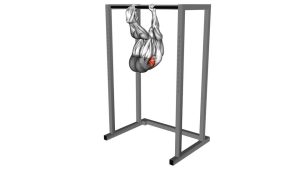
This movement is excellent for building strong, athletic core control. Unlike a basic floor crunch, the Suspender Jackknife Pike challenges your abs while your body is loaded in a plank position. As a result, it trains both spinal flexion control and anti-extension strength. In addition, the suspended foot position forces your shoulders, arms, and hips to stabilize every inch of the movement.
For best results, keep the repetition smooth and deliberate. First, establish a strong plank. Next, lift the hips by pulling through the lower abs and hip flexors. Then, return to the plank slowly without letting your lower back collapse. Although the exercise looks simple, it becomes much harder when you remove momentum and keep the straps quiet.
Quick Overview
| Body Part | Core |
|---|---|
| Primary Muscle | Rectus abdominis |
| Secondary Muscle | Hip flexors, obliques, transverse abdominis, shoulders, serratus anterior, triceps, and lower-back stabilizers |
| Equipment | Suspension trainer, sturdy anchor point, and exercise mat |
| Difficulty | Advanced |
Sets & Reps (By Goal)
- Core strength: 3–4 sets × 6–10 controlled reps with 60–90 seconds rest.
- Muscle endurance: 2–3 sets × 10–15 reps with a slower return to plank.
- Advanced core control: 3–5 sets × 5–8 reps with a 1–2 second pause at the top.
- Workout finisher: 2–3 sets × 8–12 reps after your main strength work.
- Skill progression: 2–4 sets × 4–6 perfect reps before adding more volume.
Progression rule: Add reps only when your plank stays strong, your hips lift smoothly, and your straps do not swing. If your lower back arches during the return, reduce the range or switch to a suspended knee tuck first.
Setup / Starting Position
- Set the suspension trainer: Adjust both straps so the foot cradles hang low enough for your feet to stay suspended while your hands are on the floor.
- Place your feet in the cradles: Secure the tops of your feet or toes inside the straps. Make sure both feet are even before you start.
- Move into a high plank: Place your hands under your shoulders, extend your legs, and create a straight line from head to heels.
- Brace your core: Pull your ribs down, tighten your abs, and lightly squeeze your glutes to prevent your lower back from sagging.
- Stabilize your shoulders: Push the floor away, keep your elbows straight but not locked aggressively, and spread your fingers for balance.
- Control the straps: Before the first rep, pause briefly until the straps stop swinging.
A strong starting plank is the foundation of this exercise. Therefore, do not begin the pike until your hips, ribs, shoulders, and feet feel stable.
Execution (Step-by-Step)
- Begin in a stable plank: Keep your hands planted, shoulders stacked over wrists, legs straight, and core tight.
- Start the hip lift: Exhale gently and pull your hips upward toward the ceiling. At the same time, allow your feet to glide forward in the suspension straps.
- Keep your legs long: Maintain mostly straight knees as you fold at the hips. This makes the movement a true pike instead of a knee tuck.
- Create an inverted V shape: Raise your hips as high as you can while keeping control through your shoulders, abs, and hips.
- Pause at the top: Briefly hold the peak position. Your abs should feel strongly engaged, but your shoulders should remain stable.
- Return with control: Slowly lower your hips and slide your feet back until your body returns to a straight plank.
- Reset before the next rep: Stop any strap swing, re-brace your core, and repeat only when your position is clean.
Pro Tips & Common Mistakes
Pro Tips
- Move slowly: A slow pike builds more control than a fast, swinging repetition.
- Push the floor away: Strong shoulder pressure helps prevent collapsing through the upper body.
- Keep your ribs down: This keeps the abs active and reduces lower-back stress.
- Use your breath: Exhale as the hips rise, then inhale lightly as you return to plank.
- Think “hips up,” not “feet forward”: This cue improves abdominal control and prevents strap momentum.
- Master the suspended knee tuck first: If the full pike feels unstable, build strength with easier suspended core variations.
Common Mistakes
- Letting the lower back sag: This usually means the core is no longer controlling the movement.
- Swinging the straps: Momentum reduces tension on the abs and increases instability.
- Bending the knees too much: A small knee bend is acceptable, but excessive bending turns the exercise into a jackknife tuck.
- Shrugging the shoulders: Keep your neck long and shoulders active without jamming them toward your ears.
- Going too high too soon: Quality matters more than height. Build the range gradually.
- Rushing the descent: The return phase is where many people lose core tension, so lower slowly.
FAQ
What muscles does the Suspender Jackknife Pike work?
The exercise mainly targets the rectus abdominis. However, it also works the hip flexors, obliques, transverse abdominis, shoulders, serratus anterior, triceps, and stabilizing muscles around the hips and spine.
Is the Suspender Jackknife Pike good for abs?
Yes. It is a powerful ab exercise because your core must lift the hips while also preventing the lower back from collapsing. In addition, the suspended foot position makes the abs work harder to control instability.
Is this exercise beginner-friendly?
No. This is usually an advanced core exercise. Beginners should first master planks, stability ball pikes, mountain climbers, and suspended knee tucks before attempting the full Suspender Jackknife Pike.
Why does my lower back hurt during this movement?
Lower-back discomfort often happens when the hips drop during the plank or when the core loses tension during the return. To fix this, reduce your range, slow down, and practice easier suspended tuck variations first.
Should my legs stay straight during the pike?
Ideally, yes. Straight legs make the exercise more challenging and create the pike shape. However, a slight knee bend is acceptable if it helps you maintain control without swinging or straining.
How can I make the Suspender Jackknife Pike easier?
Start with a suspended knee tuck, then progress to a partial pike. You can also shorten the range of motion and perform fewer reps. Once your core and shoulders feel stable, gradually increase the height of the hip lift.
How can I make it harder?
Slow down the lowering phase, pause at the top, keep your legs straighter, or perform more controlled reps. For advanced athletes, combining pikes with push-ups can create a very demanding core and upper-body sequence.
Recommended Equipment
- Suspension Trainer System — the main tool needed for suspended pikes, jackknifes, rows, push-ups, and full-body suspension workouts.
- Suspension Trainer Foot Cradles — useful for securing the feet comfortably during jackknife, pike, plank, and hamstring curl variations.
- Door Anchor for Suspension Trainer — helps attach the straps safely to a strong door when a fixed overhead anchor is not available.
- Exercise Mat — protects the hands and provides a more comfortable surface for plank-based suspension exercises.
- Workout Wrist Support Wraps — optional support for people who need extra wrist comfort during high-plank exercises.
Choose stable, well-rated equipment and always inspect your straps, anchor, stitching, and foot cradles before training. Since this exercise places body weight through the suspension system, secure setup matters more than speed or intensity.