Suspender Front Plank: Form, Core Benefits, Sets, Tips & FAQ
Learn the Suspender Front Plank for stronger abs, shoulder stability, and anti-extension core control. Includes setup, steps, tips, FAQs, and gear.
Suspender Front Plank
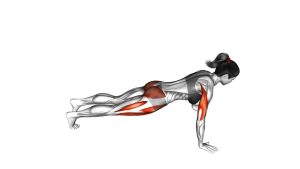
This movement looks simple, yet it demands excellent control. Unlike a regular floor plank, the suspended feet create movement in multiple directions. Therefore, your abs, glutes, shoulders, and deep stabilizers must stay active from the first second to the last. For best results, focus on a long body line, steady breathing, and controlled tension instead of trying to hold the position as long as possible.
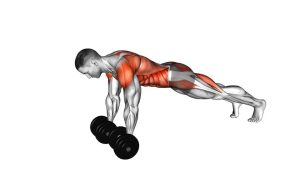
The main goal is to keep the body straight while preventing the lower back from arching. In addition, the shoulders should stay stacked over the wrists, the hips should stay level, and the feet should remain quiet inside the straps. When performed correctly, the Suspender Front Plank becomes a powerful anti-extension core drill for athletes, home training, and advanced bodyweight strength routines.
Quick Overview
| Body Part | Core |
|---|---|
| Primary Muscle | Rectus abdominis and transverse abdominis |
| Secondary Muscle | Obliques, shoulders, serratus anterior, glutes, quads, chest, and spinal stabilizers |
| Equipment | Suspension trainer / suspender straps |
| Difficulty | Intermediate to advanced |
Sets & Reps (By Goal)
- Core stability: 3–4 sets of 20–40 seconds with 45–75 seconds of rest.
- Strength endurance: 3–5 sets of 30–60 seconds with controlled breathing.
- Beginner progression: 2–3 sets of 10–20 seconds after mastering the floor plank.
- Athletic control: 4–6 sets of 15–30 seconds with strict anti-rotation focus.
- Workout finisher: 2–3 rounds of 20–45 seconds near the end of a core session.
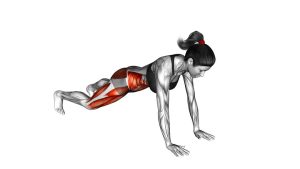
Progression rule: First increase control, then increase time. After that, progress by adding slow knee tucks, alternating leg abductions, or a longer body position. However, never progress if your hips drop or your lower back arches.
Setup / Starting Position
- Set the straps low: Adjust the suspension trainer so the foot cradles hang a few inches above the floor.
- Place your feet in the straps: Put both feet securely into the foot cradles, with the tops of the feet facing down or slightly inward depending on comfort.
- Move into a high plank: Place your hands on the floor under your shoulders and extend your body forward.
- Stack the joints: Keep wrists under shoulders, elbows straight but not aggressively locked, and shoulders active.
- Brace your core: Pull the ribs slightly down, tighten the abs, squeeze the glutes, and keep the pelvis neutral.
- Set your body line: Form one straight line from head to heels before the hold begins.
Tip: If the straps swing too much before you begin, pause and let them settle. Then start the plank only when your feet, hips, and shoulders feel controlled.
Execution (Step-by-Step)
- Start in a strong suspended plank: Keep your hands planted, your feet inside the straps, and your body straight.
- Push the floor away: Slightly protract the shoulder blades so the upper back stays strong and the chest does not sink.
- Brace before holding: Tighten your abs as if preparing for a light punch, then squeeze the glutes to protect the lower back.
- Hold the line: Keep the head, shoulders, hips, knees, and heels aligned throughout the full hold.
- Control the straps: Resist swinging, twisting, or drifting forward and backward.
- Breathe with control: Take short, steady breaths while keeping the ribs down and the core active.
- Finish safely: Lower one knee or both knees to the floor before removing your feet from the straps.
Pro Tips & Common Mistakes
Pro Tips
- Use full-body tension: Press through the hands, brace the abs, squeeze the glutes, and tighten the legs.
- Keep the straps quiet: The less the straps move, the better your core control is.
- Look slightly ahead of your hands: This helps keep the neck neutral without dropping the head.
- Start with short holds: A perfect 20-second hold is more useful than a sloppy 60-second hold.
- Push away from the floor: This keeps the serratus anterior active and prevents shoulder collapse.
Common Mistakes
- Letting the hips sag: This shifts stress into the lower back and reduces core activation.
- Piking the hips too high: This makes the exercise easier and removes tension from the abs.
- Holding the breath: Breath-holding increases tension without improving control.
- Allowing strap swing: Excessive swinging usually means the hold is too long or the setup is unstable.
- Shrugging the shoulders: Keep the shoulders strong, but avoid jamming them toward the ears.
- Starting before you are aligned: Always set the plank first, then begin the timed hold.
FAQ
What muscles does the Suspender Front Plank work?
The Suspender Front Plank mainly works the abs, especially the rectus abdominis and transverse abdominis. In addition, it trains the obliques, shoulders, serratus anterior, glutes, quads, and spinal stabilizers because the body must stay rigid while the feet are suspended.
Is the Suspender Front Plank harder than a regular plank?
Yes. Because the feet are suspended, the body has to fight instability from the straps. Therefore, the core works harder to prevent hip sagging, rotation, and unwanted swinging.
How long should I hold the Suspender Front Plank?
Most people should start with 10–30 seconds per set. Once you can hold that range with clean alignment, you can slowly increase toward 40–60 seconds. However, quality should always come before duration.
Can beginners do this exercise?
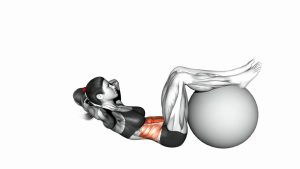
Beginners should first master the regular floor plank, high plank, and stability-ball plank. After that, they can try short suspended holds with careful control. If the lower back arches immediately, the exercise is too advanced for now.
Why do my suspension straps swing during the plank?
The straps may swing because your core is not braced enough, your feet are shifting, or your body is not aligned before starting. To fix this, shorten the hold, brace harder, and keep the legs tight.
Should I feel this exercise in my lower back?
No. A small amount of general tension is normal, but the main effort should come from the abs, shoulders, glutes, and legs. If your lower back feels strained, lower your knees, rest, and reduce the hold time.
Recommended Equipment (Optional)
- Suspension Trainer Straps — essential for performing the Suspender Front Plank safely and effectively.
- Non-Slip Exercise Mat — supports wrist comfort and prevents hand slipping during plank holds.
- Push-Up Handles — useful for keeping the wrists more neutral during high-plank variations.
- Workout Wrist Wraps — optional support for people who need extra wrist stability.
- Core Sliders — helpful for floor-based plank progressions before or after suspension training.
Tip: Choose equipment that improves control instead of making the exercise unstable too soon. Also, inspect suspension straps before every session to make sure the anchor, handles, and foot cradles are secure.