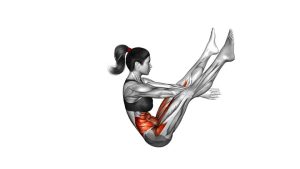
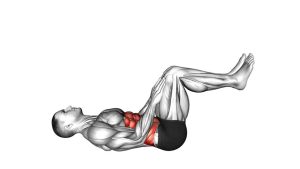
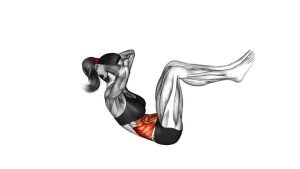
Weighted Crunch: Proper Form, Sets, Core Tips & FAQ
Learn how to do the weighted crunch with safe form, core-focused technique, sets by goal, common mistakes, FAQs, and equipment tips.
Weighted Crunch
This exercise is excellent for building stronger, thicker, and more defined abs because it allows progressive overload. A basic bodyweight crunch can become too easy over time, but the weighted crunch lets you increase difficulty with a plate, dumbbell, medicine ball, or cable variation. However, clean technique matters more than heavy loading. The best reps feel controlled, compact, and abdominal-focused from start to finish.
Quick Overview
| Body Part | Abs |
|---|---|
| Primary Muscle | Rectus abdominis |
| Secondary Muscle | Obliques, transverse abdominis, deep core stabilizers |
| Equipment | Weight plate, dumbbell, medicine ball, or no equipment for regression |
| Difficulty | Beginner to intermediate, depending on load and control |
Sets & Reps (By Goal)
- Core strength: 3–5 sets × 6–10 reps with a moderate-to-heavy weight and full control.
- Ab hypertrophy: 3–4 sets × 10–15 reps with a slow lowering phase and strong squeeze.
- Muscle endurance: 2–4 sets × 15–25 reps using a light weight or bodyweight.
- Beginner technique practice: 2–3 sets × 8–12 reps with no weight or a very light plate.
- Finisher work: 2–3 sets × 12–20 reps near the end of an ab session.
Progression rule: Add reps first, then increase the load slightly. Keep the movement small, strict, and controlled before using heavier weight.
Setup / Starting Position
- Lie on your back: Use a flat exercise mat and keep your spine comfortable.
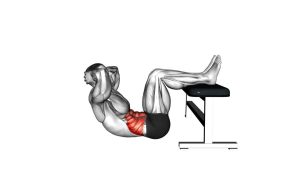
- Position your legs: Bend your knees with feet on the floor, or raise your legs to a tabletop position for more core control.
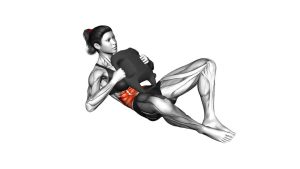
- Hold the weight: Keep a plate, dumbbell, or medicine ball above your chest. Beginners can hold it close to the chest.
- Set your neck: Keep the chin slightly tucked without pulling the head forward.
- Brace gently: Exhale slightly, tighten the abs, and prepare to curl the ribcage upward.
A tabletop leg position can reduce the urge to drive through the feet. However, it also requires more control, so beginners may start with feet planted.
Execution (Step-by-Step)
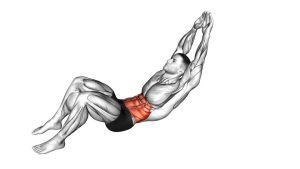
- Start with the weight steady: Keep the load controlled above your chest or slightly in front of your chest. Do not let it drift backward over your face.
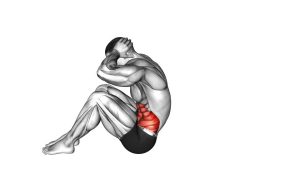
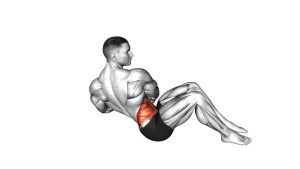
- Exhale and curl up: Lift your head, shoulders, and upper back by contracting the abs. Think about bringing your ribs toward your pelvis.
- Keep the range short: Stop when your shoulder blades lift from the floor and your abs are fully contracted. This is a crunch, not a sit-up.
- Pause at the top: Hold the contraction briefly without jerking the weight or pulling through the arms.
- Lower with control: Return your upper back to the floor slowly while keeping tension through the core.
- Reset before the next rep: Breathe, keep the weight stable, and repeat with the same smooth pattern.
Pro Tips & Common Mistakes
- Use a controlled curl: Roll the upper spine off the floor instead of sitting straight up.
- Keep the weight quiet: The plate or dumbbell should not swing to create momentum.
- Exhale as you crunch: A strong exhale helps the abs shorten and improves contraction quality.
- Do not pull the neck: Keep the chin slightly tucked and let the abs lift the torso.
- Avoid excessive range: Going too high often shifts tension away from the abs and toward the hip flexors.
- Lower slowly: The eccentric phase builds control and keeps the muscle under tension longer.
- Choose the right load: If you cannot pause at the top, reduce the weight.
- Keep the lower back stable: Do not arch aggressively between reps.
FAQ
What muscles does the weighted crunch work?
The weighted crunch mainly works the rectus abdominis, which is the front abdominal muscle responsible for spinal flexion. The obliques and deeper core muscles assist by stabilizing the trunk.
Is the weighted crunch better than a regular crunch?
It can be better for strength and muscle growth because it allows progressive overload. However, a bodyweight crunch is still useful for beginners who need to master control before adding resistance.
Should I hold the weight on my chest or above my chest?
Holding the weight on your chest is easier and more beginner-friendly. Holding it above your chest increases the challenge because the load is farther from the working muscles.
Why do I feel weighted crunches in my neck?
Neck tension usually happens when you pull the head forward, use too much load, or rush the rep. Reduce the weight, keep the chin lightly tucked, and focus on curling from the ribs instead of the head.
Can weighted crunches build visible abs?
Yes, they can help build abdominal muscle. Visible abs also depend on nutrition, overall body fat, training consistency, and a complete core routine.
How heavy should I go on weighted crunches?
Use a weight that allows clean reps, a brief top squeeze, and a slow lower. For most people, light-to-moderate resistance is enough when the form is strict.
Recommended Equipment
- Weight Plate — ideal for classic weighted crunches and easy progressive overload.
- Rubber Hex Dumbbell — useful if you prefer holding a compact load close to the chest.
- Exercise Mat — adds comfort and support for repeated floor-based ab training.
- Medicine Ball — a comfortable alternative for weighted crunches and other core drills.
- Ab Mat — supports the lower back and can improve comfort during crunch variations.
Choose equipment that lets you control the full rep. For this exercise, stability and precision are more important than lifting the heaviest possible weight.