Lever Lying Crunch: Proper Form, Muscles Worked, Sets, Tips & FAQ
Learn the Lever Lying Crunch for stronger abs with proper machine setup, controlled crunch form, sets by goal, common mistakes, FAQs, and equipment tips.
Lever Lying Crunch
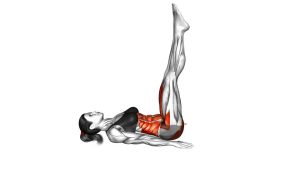
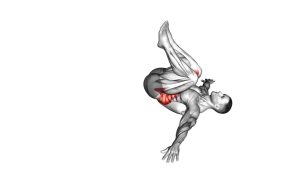
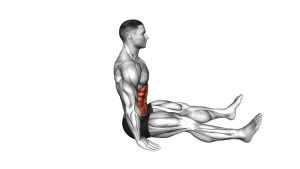
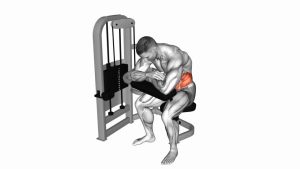
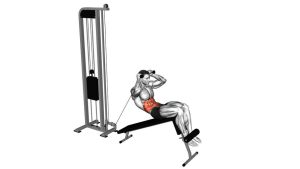
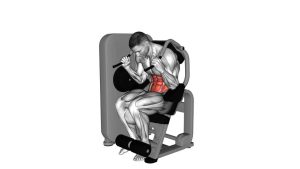
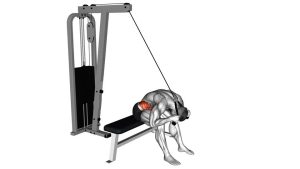
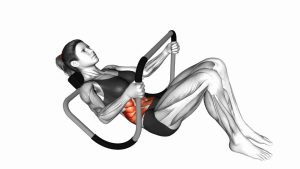
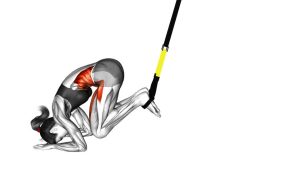
This exercise works best when each repetition is smooth, deliberate, and focused on abdominal contraction. During the video demonstration, the torso starts from a supported lying position, curls forward into a deep crunch, pauses briefly near the strongest contraction point, then returns under control. That controlled return is important because the abs continue working as they resist the machine’s load.
A proper Lever Lying Crunch should feel like the front of the core is shortening and tightening. The movement should not feel like a neck pull, hip yank, or lower-back strain. Keep the range clean, breathe with control, and use a load that lets you finish every rep without bouncing.
Quick Overview
| Body Part | Core |
|---|---|
| Primary Muscle | Rectus abdominis |
| Secondary Muscle | Obliques, deep core stabilizers, hip flexors as minor stabilizers |
| Equipment | Lever lying crunch machine / plate-loaded or selectorized abdominal crunch machine |
| Difficulty | Beginner to intermediate, depending on machine load and range of motion |
Sets & Reps (By Goal)
- Beginner technique practice: 2–3 sets × 10–12 reps with light resistance and a slow tempo.
- Muscle growth: 3–4 sets × 10–15 reps using a moderate load and a strong squeeze at the bottom.
- Core strength: 3–5 sets × 6–10 reps with heavier resistance while keeping every rep controlled.
- Core endurance: 2–4 sets × 15–25 reps with lighter resistance and steady breathing.
- Finisher after abs training: 1–3 sets × 12–20 reps at a smooth pace without rushing the return.
Progression rule: Add reps first, then increase resistance slightly. Never increase the load if it causes bouncing, neck pulling, or a shortened range of motion.
Setup / Starting Position
- Adjust the machine: Set the seat, back pad, and lever position so your torso is supported and the handles or pads sit comfortably near the upper body.
- Secure the lower body: Place your feet, legs, or knees into the machine’s support area according to its design. Your hips should stay stable during the crunch.
- Grip lightly: Hold the handles only for guidance. Avoid pulling hard with the arms before the abs start the movement.
- Brace gently: Bring your ribs down, tighten the midsection, and keep the lower back supported against the pad.
- Set your neck: Keep the head aligned with the torso. Do not lead the crunch by yanking the chin toward the chest.
- Choose a smart load: Start lighter than expected. A clean machine crunch should feel strict, not forced.
Setup quality matters. When the machine is adjusted correctly, your abs can drive the movement without the hips sliding, the shoulders shrugging, or the lower back arching off the pad.
Execution (Step-by-Step)
- Start tall against the pad: Begin in the supported lying position with your spine close to neutral and your abs lightly braced.
- Exhale before the crunch: Let the ribs move down as you begin curling the upper body forward.
- Crunch from the abs: Pull the rib cage toward the pelvis while keeping the lower body stable and the hips from driving the motion.
- Follow the lever path: Allow the machine to guide the arc, but keep muscular control instead of letting the machine pull you.
- Squeeze at the bottom: Pause briefly in the contracted position and focus on tightening the front of the core.
- Return slowly: Inhale as you move back toward the starting position. Keep tension in the abs instead of dropping the weight.
- Reset without relaxing fully: Stop before excessive spinal extension, then begin the next rep with the same controlled pattern.
Pro Tips & Common Mistakes
Pro Tips
- Think ribs to pelvis: This cue keeps the movement focused on spinal flexion instead of hip pulling.
- Use a short pause: Holding the bottom position for one second improves abdominal tension and reduces momentum.
- Control the eccentric: The return phase should take about two to three seconds for better muscle control.
- Keep the grip relaxed: Hands should guide the machine, not dominate the exercise.
- Match load to form: Moderate resistance with full control beats heavy resistance with a sloppy half-rep.
Common Mistakes
- Pulling with the arms: This reduces abdominal work and can turn the movement into an upper-body tug.
- Using too much weight: Heavy loading often causes bouncing, short range, and lower-back discomfort.
- Leading with the neck: Excessive chin tuck or head pulling can create unnecessary neck tension.
- Letting the weight drop: A fast return removes tension from the abs and increases joint stress.
- Overextending at the top: Going too far back may irritate the lower back, especially under load.
- Holding the breath: Controlled breathing helps the ribs move correctly and improves abdominal contraction.
FAQ
What muscles does the Lever Lying Crunch work?
The Lever Lying Crunch mainly targets the rectus abdominis, which is the front abdominal muscle responsible for trunk flexion. The obliques and deeper core muscles assist by stabilizing the torso during the movement.
Is the Lever Lying Crunch good for beginners?
Yes, it can be beginner-friendly when the load is light and the machine is adjusted correctly. The guided path helps beginners learn abdominal flexion, but the exercise still requires control and proper breathing.
Should I go heavy on the Lever Lying Crunch?
Heavy loading can be useful for advanced core strength, but only if your form stays strict. Most lifters get better results from a moderate load, a full crunch, and a slow return.
Why do I feel this exercise in my hip flexors?
Hip flexor involvement often happens when the hips drive the motion instead of the ribs curling toward the pelvis. Reduce the load, brace the abs first, and focus on curling the spine rather than pulling the legs or hips.
Can this exercise replace regular floor crunches?
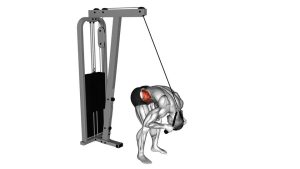
It can be a strong alternative because the machine allows adjustable resistance. However, floor crunches, planks, cable crunches, and anti-rotation drills can still be useful for a complete core program.
How often should I do the Lever Lying Crunch?
Most people can train it two to three times per week. Allow enough recovery if you use heavier resistance or if your abs stay sore from previous sessions.
Recommended Equipment
- Ab Crunch Machine — useful for machine-based abdominal training at home or in a personal gym setup.
- Adjustable Ab Bench — a practical alternative for decline crunches, sit-ups, and weighted core work.
- Weight Plates — helpful if your lever crunch machine is plate-loaded.
- Thick Exercise Mat — supports floor-based core accessories such as crunches, dead bugs, and hollow holds.
- Cable Rope Attachment — ideal for pairing machine crunches with cable crunches and kneeling rope crunch variations.
Tip: Choose equipment that lets you control the full range of motion. For abdominal training, comfort, stability, and smooth resistance are more important than using the heaviest possible load.