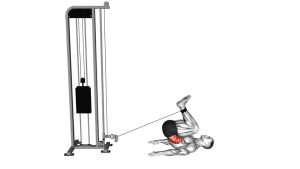
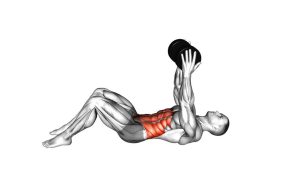
Cable Seated Crunch: Proper Form, Abs Benefits, Sets, Tips & FAQ
Learn the Cable Seated Crunch for stronger abs with proper form, setup, step-by-step cues, sets by goal, common mistakes, FAQs, and gear.
Cable Seated Crunch
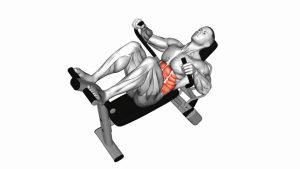
The Cable Seated Crunch is useful for building stronger, more defined abs because it allows progressive resistance without turning the movement into a full-body lift. Additionally, the seated position helps reduce leg drive and makes it easier to focus on the curling action of the trunk. However, the exercise only works well when the movement comes from the abdominal wall, not from the shoulders, arms, or hips.
During each repetition, your spine should round smoothly as your rib cage moves down toward your pelvis. Meanwhile, your hips should stay mostly fixed on the bench. As a result, the abs perform the main work while the rope simply acts as a handle for resistance.
Quick Overview
| Body Part | Core |
|---|---|
| Primary Muscle | Rectus abdominis |
| Secondary Muscle | Obliques, deep core stabilizers, hip stabilizers |
| Equipment | Cable machine, rope attachment, flat bench or seated station |
| Difficulty | Beginner to intermediate |
Sets & Reps (By Goal)
- Muscle growth: 3–4 sets × 10–15 reps with a controlled 1–2 second squeeze.
- Core strength: 3–5 sets × 6–10 reps using heavier resistance and strict form.
- Beginner technique: 2–3 sets × 12–15 reps with light weight and slow tempo.
- Core endurance: 2–4 sets × 15–25 reps with moderate tension and steady breathing.
- Finisher work: 1–3 sets × 12–20 reps near the end of an ab or pull-day session.
Progression rule: First improve control, range, and contraction quality. Then increase resistance in small jumps. If the rope starts pulling your arms away from your head, the weight is probably too heavy.
Setup / Starting Position
- Set the pulley high: Attach a rope handle to a high cable pulley. Then place a bench or seat in front of the machine.
- Sit facing the cable stack: Position yourself close enough to keep tension on the cable, but not so close that the rope becomes awkward.
- Grip the rope securely: Hold one end of the rope in each hand and bring your hands near the sides of your head or upper chest.
- Anchor your lower body: Keep your feet flat, knees bent, and hips stable on the bench. This creates a strong base before the crunch begins.
- Start tall but braced: Keep your torso upright, ribs slightly down, and abs lightly engaged. Your spine should feel ready to curl, not relaxed or overarched.
Setup tip: Keep the rope close to your body from the beginning. If your hands drift forward, the exercise often turns into an arm pull instead of an ab crunch.
Execution (Step-by-Step)
- Brace before moving: Take a controlled breath, tighten your abs slightly, and keep your hips planted on the bench.
- Begin the crunch with your ribs: Curl your upper torso forward by bringing your rib cage toward your pelvis. At the same time, keep the rope close to your head.
- Round through the upper and middle spine: Allow your back to flex gradually. However, avoid turning the movement into a hip hinge.
- Drive the elbows downward naturally: Your elbows may move toward your thighs, but your arms should not be the main source of force.
- Squeeze at the bottom: Pause briefly when your abs are fully contracted. Then exhale and tighten the abdominal wall without bouncing.
- Return under control: Slowly uncurl your torso back to the starting position while keeping tension on the abs.
- Reset before the next rep: Avoid relaxing completely at the top. Instead, keep light tension and repeat with the same smooth path.
Pro Tips & Common Mistakes
Pro Tips
- Use a small, strong crunch: The goal is not to touch your chest to your thighs. Instead, create a focused abdominal contraction.
- Keep constant tension: Do not let the weight stack slam down at the top. This keeps the abs working through the full rep.
- Control the eccentric: The return phase builds control. Therefore, lift your torso back slowly instead of snapping upright.
- Exhale during the crunch: Breathing out as you curl helps the ribs move down and makes the contraction stronger.
- Keep the neck neutral: Let the torso curl, but avoid yanking your head forward.
Common Mistakes
- Pulling with the arms: If your elbows move because your lats and arms are pulling hard, lower the weight and refocus on trunk flexion.
- Hinging at the hips: Leaning your whole torso forward without rounding the spine reduces ab activation.
- Going too heavy: Heavy loads can make the movement sloppy. As a result, the abs receive less clean tension.
- Relaxing at the top: Fully releasing tension between reps makes the cable less effective.
- Rushing the movement: Fast reps often use momentum. Instead, use a deliberate tempo and pause briefly at peak contraction.
FAQ
What muscles does the Cable Seated Crunch work?
The Cable Seated Crunch mainly works the rectus abdominis, which is the front abdominal muscle responsible for spinal flexion. Additionally, the obliques and deep core muscles help stabilize the trunk during the movement.
Is the Cable Seated Crunch good for building abs?
Yes. Because the cable provides adjustable resistance, this exercise is excellent for progressive ab training. However, visible abs also require proper nutrition, overall training consistency, and body fat management.
Should I go heavy on seated cable crunches?
You can use moderate to heavy resistance, but only if your form stays strict. If the weight causes arm pulling, hip hinging, or fast bouncing reps, reduce the load and focus on a cleaner crunch.
Where should I feel the exercise?
You should feel the strongest contraction through the front of your abs, especially when your ribs move toward your pelvis. If you mostly feel your arms, shoulders, or hip flexors, adjust the weight and slow the movement down.
Is the Cable Seated Crunch better than a regular crunch?
It depends on your goal. A regular crunch is simple and beginner-friendly. Meanwhile, the Cable Seated Crunch allows more resistance and easier progression, which can make it better for strength and hypertrophy.
Can beginners do the Cable Seated Crunch?
Yes, beginners can do it with light weight and careful control. Start with higher reps, keep the rope close, and avoid chasing heavy resistance until the movement pattern feels natural.
Recommended Equipment
- Cable Machine Rope Attachment — the best handle choice for seated cable crunches because it allows a natural hand position.
- Adjustable Weight Bench — useful for creating a stable seated setup in front of the cable machine.
- Home Cable Pulley System — a compact option for cable-style ab training at home.
- Ab Exercise Mat — helpful for pairing cable crunches with floor-based core exercises.
- Weightlifting Gloves — improves grip comfort when holding rope attachments during higher-volume ab work.
Equipment tip: A rope attachment is the most important item for this exercise. However, a stable bench and smooth cable pulley also make the movement safer, cleaner, and easier to control.