Standing Wheel Rollout: Form, Benefits, Sets, Tips & FAQ
Learn the Standing Wheel Rollout for advanced core strength, anti-extension control, shoulder stability, safe form, sets, tips, mistakes, and gear.
Standing Wheel Rollout
This exercise is best suited for people who already control kneeling ab wheel rollouts with excellent form. Moreover, it demands strong abdominal tension, shoulder stability, hip control, and full-body coordination. The movement should look smooth from start to finish, while the lower back stays protected from excessive arching.
Quick Overview
| Body Part | Core |
|---|---|
| Primary Muscle | Rectus abdominis and deep core stabilizers |
| Secondary Muscle | Obliques, transverse abdominis, lats, shoulders, hip flexors, and glutes |
| Equipment | Ab wheel / ab roller |
| Difficulty | Advanced |
Sets & Reps (By Goal)
- Skill practice: 3–5 sets × 2–5 controlled reps with a short range
- Core strength: 3–4 sets × 4–8 reps with strict bracing
- Advanced core endurance: 2–3 sets × 8–12 reps only if every rep stays clean
- Progression work: 4–6 sets × 1–3 reps using a wall or controlled rollout distance
Progression rule: Increase rollout distance before increasing reps. However, never add range if your hips drop, your lower back arches, or you cannot return smoothly.
Setup / Starting Position
- Stand tall: Place your feet firmly on the floor and hold the ab wheel with both hands.
- Position the wheel: Set the wheel on the floor slightly in front of your feet.
- Brace your core: Tighten your abs as if preparing for a plank.
- Set your shoulders: Keep your arms straight and your shoulders active without shrugging.
- Control your hips: Avoid starting with a loose lower back or relaxed midsection.
Tip: If you are learning this version, place a wall in front of you so the wheel cannot travel farther than your current control allows.
Execution (Step-by-Step)
- Start from standing: Hold the ab wheel on the floor in front of your feet with both hands.
- Roll forward slowly: Push the wheel away while your body begins to lean forward.
- Lengthen the body: Keep your arms extended and allow your torso to move into a long diagonal line.
- Maintain tension: Brace your abs, squeeze your glutes lightly, and avoid letting your lower back sag.
- Reach your controlled end range: Stop before you lose alignment or strength.
- Pull back with control: Use your core and shoulders to roll the wheel back toward your feet.
- Return to standing: Finish tall and stable before starting the next rep.
Pro Tips & Common Mistakes
- Use a shorter range first: A controlled half rollout is better than a full rollout you cannot return from.
- Keep your ribs down: This helps prevent excessive lower-back extension.
- Do not rush the return: Pull the wheel back smoothly instead of snapping the hips upward.
- Avoid soft shoulders: Keep the shoulders active so the wheel path stays stable.
- Do not bend the elbows: Straight arms help maintain the correct rollout pattern.
- Use your glutes: Light glute tension helps keep the pelvis from tipping forward.
- Stop before failure: Because the standing rollout is demanding, failed reps can quickly become unsafe.
FAQ
Is the Standing Wheel Rollout beginner-friendly?
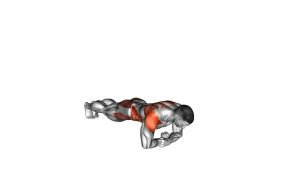
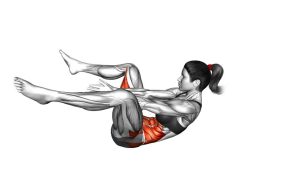
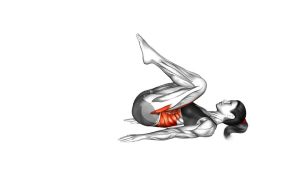
No. The standing version is an advanced progression. Therefore, beginners should first build control with planks, dead bugs, stability ball rollouts, and kneeling ab wheel rollouts.
What muscles does the Standing Wheel Rollout work?
It primarily trains the abs and deep core stabilizers. In addition, the shoulders, lats, obliques, glutes, and hip flexors assist with control and stability.
Why does my lower back hurt during this exercise?
Lower-back discomfort often happens when the abs lose tension and the hips drop. Reduce the range, brace harder, and return to kneeling rollouts if needed.
How far should I roll out?
Roll only as far as you can control. As a result, your end range should be based on strength, alignment, and your ability to return smoothly.
Can I use a wall to practice this exercise?
Yes. A wall is a useful limiter because it stops the wheel at a safe distance. Over time, move farther from the wall as your control improves.
Recommended Equipment
- Ab Wheel Roller — the main tool needed for standing wheel rollouts
- Wide Ab Wheel Roller — provides a more stable wheel base for controlled rollouts
- Ab Wheel with Resistance Bands — useful for assisted rollout progressions
- Exercise Mat — helps with kneeling rollout progressions and floor comfort
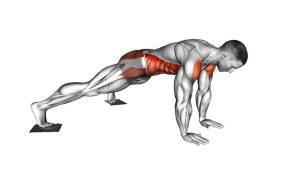
- Core Sliders — helpful for easier rollout-style core progressions
Tip: Choose a wheel that rolls smoothly and feels stable under your hands. Additionally, avoid unstable equipment until your basic rollout pattern is already strong.