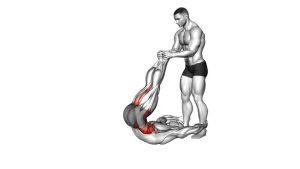
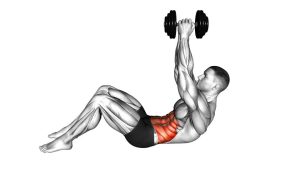
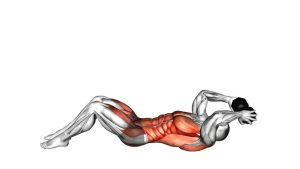
V-Up Down with Stability Ball: Form, Core Benefits, Sets & Tips
Learn the V-Up Down with Stability Ball for stronger abs, hip flexors, and core control. Includes form cues, sets, mistakes, FAQs, and equipment.
V-Up Down with Stability Ball
This exercise rewards control more than speed. Each repetition should look smooth, balanced, and coordinated. The ball should travel with the arms, the legs should rise without kicking, and the torso should curl upward without using momentum. When performed correctly, the movement creates a strong abdominal contraction at the top and a deep eccentric core challenge as the body lowers back toward the floor.
Quick Overview
| Body Part | Core |
|---|---|
| Primary Muscle | Rectus abdominis |
| Secondary Muscle | Hip flexors, transverse abdominis, obliques, quadriceps |
| Equipment | Stability ball / exercise ball |
| Difficulty | Intermediate to Advanced |
Sets & Reps (By Goal)
- Core strength: 3–4 sets × 6–10 controlled reps, resting 60–90 seconds between sets.
- Abdominal endurance: 2–3 sets × 10–15 reps using a slower, steady rhythm.
- Body control: 3 sets × 5–8 reps with a 1–2 second pause at the top of each rep.
- Home abs workout finisher: 2 sets × 8–12 reps near the end of your session.
Progression rule: First improve your control at the bottom position. Then add reps, increase pause time, or use a slightly larger stability ball. Do not progress by swinging faster.
Setup / Starting Position
- Lie flat on your back: Extend your legs straight and place your arms overhead while holding the stability ball with both hands.
- Create full-body length: Reach long through the arms and legs, but keep your ribs pulled down so the lower back does not overarch.
- Brace your core: Tighten your abs gently before moving. Think about drawing the ribs toward the pelvis.
- Keep the ball stable: Hold the ball securely without squeezing your shoulders up toward your ears.
- Set the legs: Keep the legs straight or slightly bent if needed. The feet can hover lightly above the floor to maintain tension.
Tip: If your lower back lifts off the floor immediately, bend your knees slightly or reduce the lowering range.
Execution (Step-by-Step)
- Begin with control: Brace your abs, keep the ball overhead, and prepare to lift the upper and lower body together.
- Raise the legs: Lift both legs upward while keeping them controlled, not swinging.
- Curl the torso: At the same time, lift your shoulders and upper back off the floor as the ball travels forward.
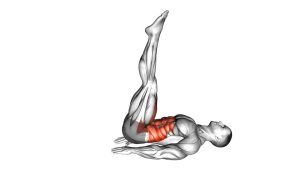
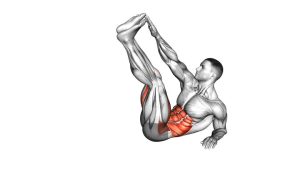
- Meet at the top: Bring the ball toward your shins, ankles, or feet while forming a strong V shape with your body.
- Pause briefly: Hold the top position for a moment and squeeze the abs without collapsing your posture.
- Lower slowly: Return your torso, arms, ball, and legs toward the floor at the same time.
- Stop before losing tension: Do not let the lower back arch or the legs drop heavily. Begin the next rep only when control is restored.
Pro Tips & Common Mistakes
- Move arms and legs together: This keeps the exercise balanced and prevents the movement from becoming only a leg raise.
- Control the lowering phase: The way down is where your abs work hardest to resist gravity.
- Do not throw the ball forward: The ball should guide the movement, not create momentum.
- Avoid lower-back arching: Keep the ribs down and stop the legs before your pelvis tilts excessively.
- Keep the neck relaxed: Lift through the torso, not by pulling the head forward.
- Use a smaller range if needed: Clean half reps are better than uncontrolled full reps.
- Breathe with the movement: Exhale as you lift into the V position and inhale as you lower with control.
- Do not rush reps: Fast reps usually reduce abdominal tension and increase hip flexor dominance.
FAQ
What muscles does the V-Up Down with Stability Ball work?
The main target is the rectus abdominis, especially during the curling and compression phase. The hip flexors help lift the legs, while the transverse abdominis, obliques, and quadriceps assist with control and stability.
Is the V-Up Down with Stability Ball good for abs?
Yes. It is an excellent abs exercise when performed with control. The movement trains both the lifting phase and the lowering phase, which helps build strength, coordination, and abdominal endurance.
Is this exercise beginner-friendly?
It is usually better for intermediate or advanced trainees. Beginners can start with bent-knee V-ups, stability ball crunches, dead bugs, or single-leg lowers before attempting the full version.
Why does my lower back hurt during this exercise?
Lower-back discomfort often happens when the legs lower too far or the abs lose tension. Reduce the range of motion, bend the knees slightly, and keep the ribs pulled down. If pain continues, choose an easier core variation.
Should my feet touch the floor between reps?
They can touch lightly if you need a reset. However, keeping the feet slightly elevated increases tension. Only use the harder version if your lower back stays controlled.
Can I use this exercise in a home workout?
Yes. It works very well in home abs workouts because it only requires a stability ball and floor space. Add it after easier core activation drills or near the end of your workout as a finisher.
Recommended Equipment
- Stability Ball / Exercise Ball — the main tool for this exercise and many core training variations.
- Anti-Burst Stability Ball — a safer, durable option for repeated floor-based core workouts.
- Exercise Mat — protects the spine and hips during floor exercises.
- Core Sliders — useful for related core progressions like pikes, mountain climbers, and body saws.
- Small Pilates Ball — helpful for easier core drills, pelvic control work, and beginner regressions.
Tip: Choose a stability ball size that lets you hold the ball securely without overreaching your shoulders or losing control at the top position.