Hanging Flutter Kick: Core Form, Sets, Tips & FAQ
Learn the Hanging Flutter Kick for stronger abs, hip flexors, and anti-swing core control with step-by-step form, sets, mistakes, FAQs, and gear.
Hanging Flutter Kick
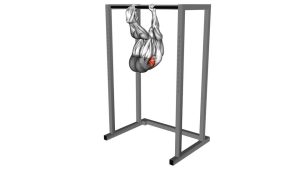
This exercise works best when the body stays controlled under the bar. Therefore, the goal is not to kick as high as possible. Instead, keep the arms long, brace the midsection, and move the legs in a steady scissor-like rhythm. As a result, the core receives constant tension while the shoulders and grip support the hanging position.
Quick Overview
| Body Part | Core |
|---|---|
| Primary Muscle | Rectus abdominis |
| Secondary Muscle | Hip flexors, obliques, transverse abdominis, forearms, lats, and shoulder stabilizers |
| Equipment | Pull-up bar |
| Difficulty | Intermediate because it requires grip strength, core control, and anti-swing stability |
Sets & Reps (By Goal)
- Core control: 3 sets × 10–20 alternating kicks per side with a slow, steady rhythm.
- Muscular endurance: 3–4 sets × 20–40 total alternating kicks with 45–75 seconds rest.
- Hanging core strength: 4 sets × 8–15 controlled kicks per side while reducing body swing.
- Finisher: 2–3 rounds × 20–30 seconds after your main workout.
Progression rule: First increase control and total time under tension. Then increase reps. Finally, use a higher leg position only if your torso stays stable.
Setup / Starting Position
- Grip the bar: Hold a pull-up bar with both hands using an overhand grip.
- Hang tall: Let the arms extend while keeping the shoulders active enough to support the body.
- Brace the core: Tighten the midsection gently before the legs start moving.
- Set the legs: Keep the legs long and close together under the body.
- Control the start: Reduce swinging before beginning the first flutter kick.
If your body swings before you begin, pause in the hang first. A still starting position makes every rep cleaner.
Execution (Step-by-Step)
- Start from a stable hang: Keep your arms extended, body vertical, and core braced.
- Lift one leg forward: Raise one leg slightly in front of the body while the other leg stays lower.
- Switch legs: Lower the lifted leg as the opposite leg rises forward.
- Continue alternating: Move the legs in a controlled flutter pattern, like a small scissor motion.
- Keep the range moderate: Avoid throwing the legs too high if it causes swinging.
- Maintain rhythm: Use smooth alternating kicks without jerking the hips or pulling with momentum.
- Finish with control: Slow the legs down and return to a quiet hanging position before dropping from the bar.
Pro Tips & Common Mistakes
- Use a small kick range: A moderate range keeps the abs working without turning the movement into momentum.
- Brace before moving: Engage the core first so the legs do not pull the torso into a swing.
- Keep the arms long: Avoid bending the elbows unless your specific variation requires it.
- Do not rush: Fast, uncontrolled kicks usually reduce core tension and increase body sway.
- Avoid excessive arching: If the lower back extends hard, lower the legs slightly and tighten the abs.
- Control the shoulders: Stay active through the upper body without shrugging aggressively.
- Do not drop suddenly: Finish the set by slowing the legs before releasing the bar.
FAQ
What muscles does the Hanging Flutter Kick work?
The Hanging Flutter Kick mainly trains the abs, especially the rectus abdominis. However, the hip flexors, obliques, deep core muscles, forearms, lats, and shoulder stabilizers also help control the hanging position.
Is the Hanging Flutter Kick good for lower abs?
Yes, it can be useful for lower-ab focused training because the legs move from a hanging position. However, the lower abs are not a separate muscle. The key is to keep the pelvis controlled and avoid swinging.
Why does my body swing during Hanging Flutter Kicks?
Swinging usually happens when the legs move too fast, the range is too large, or the core is not braced before the first kick. Therefore, reduce the motion, slow down, and reset your hang before continuing.
Can beginners do Hanging Flutter Kicks?
Beginners can work toward this exercise, but they should first build hanging strength and basic core control. A safer starting option may be lying flutter kicks, dead hangs, or hanging knee raises.
How high should I lift my legs?
Lift only as high as you can while staying controlled. In the observed movement, the legs use a moderate range instead of rising to full horizontal height.
Recommended Equipment
- Doorway Pull-Up Bar — useful for practicing hanging core exercises at home.
- Wall-Mounted Pull-Up Bar — provides a stronger fixed setup for repeated hanging ab work.
- Pull-Up Grips / Gymnastics Grips — help support grip comfort during longer hanging sets.
- Lifting Chalk Ball — improves hand traction when grip becomes a limiting factor.
- Hanging Ab Straps — optional support for users who need to reduce grip fatigue during hanging core work.
Tip: Choose equipment that keeps the hanging position stable. A secure bar matters more than extra accessories.