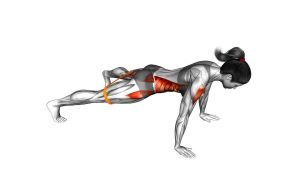
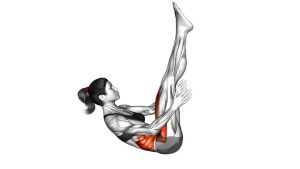
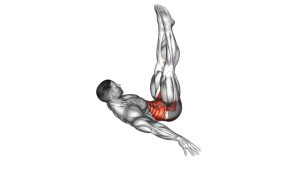
Incline Leg Hip Raise: Form, Benefits, Sets, Tips & FAQ
Learn the Incline Leg Hip Raise with straight legs to target lower abs, hip flexors, and core control. Includes form, sets, tips, FAQ, and equipment.
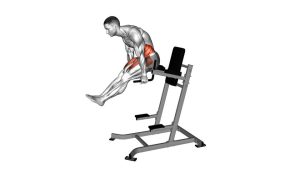
Incline Leg Hip Raise (Leg Straight)
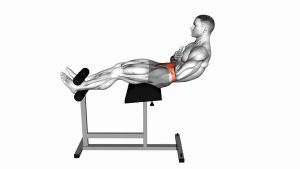
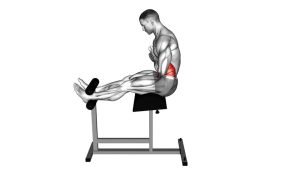
This exercise is especially useful for building stronger lower abdominal control, improving pelvic positioning, and challenging the core through a longer lever because the knees remain straight. Since the bench places the body on an incline, gravity increases the demand on the abs during both the lifting and lowering phases. Therefore, every rep should feel smooth, deliberate, and controlled from start to finish.
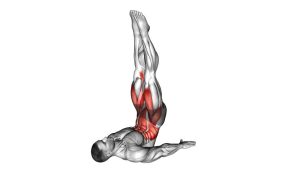
In the video, the movement begins with the athlete lying back on the incline bench while holding the handles overhead. The legs stay long as they rise together. Then, near the top, the hips lift slightly off the pad as the pelvis curls toward the ribs. After that, the hips return to the bench first, and the legs lower slowly without dropping or bouncing.
Quick Overview
| Body Part | Abs |
|---|---|
| Primary Muscle | Rectus abdominis, especially the lower abdominal region |
| Secondary Muscle | Hip flexors, obliques, transverse abdominis, and deep core stabilizers |
| Equipment | Incline bench or decline abdominal bench with handles |
| Difficulty | Intermediate to advanced, depending on bench angle and leg control |
Sets & Reps (By Goal)
- Core control: 2–3 sets × 8–12 reps with a slow 2–3 second lowering phase.
- Lower-ab strength: 3–4 sets × 10–15 reps while lifting the hips clearly at the top.
- Muscle endurance: 2–4 sets × 12–20 reps using a moderate incline and steady breathing.
- Advanced core challenge: 3–5 sets × 6–10 reps with a steeper bench angle and strict tempo.
- Finisher option: 1–2 sets near technical fatigue, stopping before the lower back loses control.
Progression rule: First improve control, then increase reps. After that, raise the bench angle only when you can lower your straight legs without arching your lower back.
Setup / Starting Position
- Set the bench angle: Choose a low to moderate incline first. A steeper angle makes the exercise harder.
- Lie back securely: Place your upper back and head against the bench while keeping your body centered on the pad.
- Grip the handles: Hold the bench handles near your head to create stability without pulling your shoulders aggressively.
- Extend your legs: Keep both legs straight and together. Point the toes slightly or keep the feet neutral.
- Brace your core: Draw the ribs down gently and prepare your abs before the first rep begins.
- Control the start: Let the legs begin below the hips, but do not allow the lower back to over-arch.
A good starting position should feel stable. Your hands anchor the body, but your abs should control the leg and hip movement.
Execution (Step-by-Step)
- Begin with tension: Brace your abs before moving. Keep the legs straight and together.
- Raise the legs: Lift both legs upward in a smooth arc while keeping the knees extended.
- Reach the top position: As your legs approach vertical, avoid rushing. Keep your ribs down and your core tight.
- Lift the hips: Curl your pelvis upward so your hips rise slightly off the bench. This is the key abdominal action.
- Pause briefly: Hold the top for a moment while squeezing the lower abs.
- Lower the hips first: Return the hips to the bench with control before lowering the legs.
- Descend slowly: Lower your straight legs until you reach the starting range without letting your lower back arch.
- Repeat cleanly: Begin the next rep only after your body is stable and your core is still engaged.
Pro Tips & Common Mistakes
Pro Tips
- Think “hips to ribs”: This cue helps you focus on pelvic curl instead of only moving the legs.
- Use a slow descent: The lowering phase builds control, so do not let gravity pull your legs down quickly.
- Keep the legs long: Straight legs increase the challenge, but they should not cause lower-back strain.
- Exhale near the top: Breathing out as the hips lift can help the abs contract more strongly.
- Control the bench angle: A lower incline is better for clean reps, while a higher incline is better only after mastery.
Common Mistakes
- Swinging the legs: Momentum reduces abdominal work and can stress the lower back.
- Skipping the hip lift: Without the pelvic curl, the exercise loses its strongest lower-ab emphasis.
- Dropping too low: Lowering past your control range often causes the spine to arch.
- Pulling too hard with the arms: Your hands should stabilize the body, not turn the movement into an upper-body pull.
- Bending the knees unintentionally: If the straight-leg version is too hard, bend the knees on purpose and use that as a regression.
FAQ
What muscles does the Incline Leg Hip Raise work?
The Incline Leg Hip Raise mainly works the rectus abdominis, especially the lower-ab region during the hip lift. Additionally, the hip flexors help raise the legs, while the obliques and deep core muscles stabilize the pelvis and torso.
Is the straight-leg version harder than the bent-knee version?
Yes. Straight legs create a longer lever, which increases the demand on the abs and hip flexors. For that reason, beginners may need to start with bent knees before progressing to the straight-leg version.
Should my hips come off the bench?
Yes, but only slightly. The hip lift should come from a controlled pelvic curl, not from kicking the legs upward. A small, clean lift is usually better than a large, uncontrolled swing.
Why do I feel this exercise in my hip flexors?
Some hip flexor involvement is normal because the legs are lifting. However, your abs should dominate the top portion of the movement. To shift more work into the abs, slow down, exhale at the top, and focus on curling the pelvis toward your ribs.
Can this exercise help build lower abs?
Yes. While the rectus abdominis works as one muscle, the hip raise portion strongly challenges the lower abdominal region. Therefore, this exercise is a useful choice when performed with strict control and enough range.
What should I do if my lower back hurts?
Reduce the range of motion, lower the bench angle, or switch to bent-knee hip raises. Also, avoid lowering your legs so far that your spine arches. If pain continues, stop the exercise and choose a more stable core variation.
Recommended Equipment
- Adjustable Decline Bench — ideal for incline leg hip raises, decline crunches, and core training progressions.
- Ab Bench with Handles — provides better upper-body anchoring during leg raises and hip raises.
- Non-Slip Exercise Mat — useful for warm-ups, regressions, and floor-based core work before bench variations.
- Adjustable Ankle Weights — optional advanced resistance once bodyweight reps are controlled and pain-free.
- Core Sliders — helpful for additional ab rollouts, knee tucks, and controlled core stability drills.
Tip: Equipment should improve control, not force intensity. Choose a stable bench first, then add resistance only after your form stays strict.