Front Leg Kick: Proper Form, Benefits, Sets, Tips & FAQ
Learn the Front Leg Kick for hip mobility, balance, core control, and lower-body coordination. Includes setup, steps, sets, tips, FAQs, and gear.
Front Leg Kick
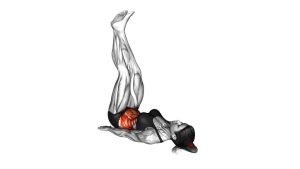
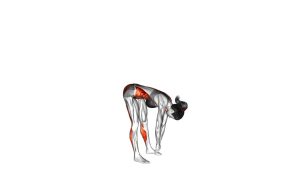
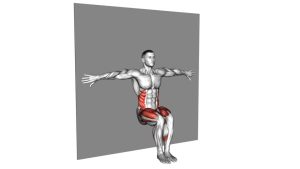
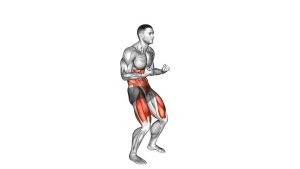
This movement works best when you treat it as a controlled front kick drill, not a rushed leg swing. First, shift your weight onto one leg. Then, lift the opposite knee and extend the lower leg forward while keeping your torso tall. Because the exercise challenges balance and hip control, slower reps usually create better results.
Quick Overview
| Body Part | Legs |
|---|---|
| Primary Muscle | Hip flexors |
| Secondary Muscle | Quadriceps, core stabilizers, glutes, calves, and supporting-leg stabilizers |
| Equipment | No equipment required |
| Difficulty | Beginner |
Sets & Reps (By Goal)
- Warm-up and mobility: 2–3 sets × 8–12 reps per leg using a smooth tempo.
- Balance and coordination: 3 sets × 6–10 reps per leg with a brief pause at the top.
- Core control: 2–4 sets × 8–12 reps per leg while keeping the torso upright.
- Beginner practice: 1–2 sets × 6–8 reps per leg at a low kick height.
Progression rule: Increase control before height. Once the kick stays smooth, you can add a slightly higher kick, a slower lowering phase, or a longer pause at the top.
Setup / Starting Position
- Stand tall: Place your feet about hip-width apart and keep your head facing forward.
- Brace lightly: Tighten your core enough to keep your ribs and pelvis controlled.
- Relax your shoulders: Let your arms stay natural, or use them slightly for balance.
- Shift your weight: Move your weight onto the supporting leg without locking the knee harshly.
- Prepare the kicking leg: Keep the movement controlled before lifting the knee.
Tip: If balance is difficult, perform the exercise near a wall or stable surface. However, use support lightly instead of leaning into it.
Execution (Step-by-Step)
- Start from a tall stance: Keep your chest lifted, shoulders relaxed, and eyes forward.
- Shift onto one leg: Stabilize the supporting foot and avoid wobbling through the ankle.
- Lift the knee: Bring the kicking knee forward first, creating a controlled chamber position.
- Extend the lower leg: Straighten the knee forward into a front kick without snapping aggressively.
- Control the top: Pause briefly while keeping your torso upright and your core engaged.
- Recoil the leg: Bend the knee again before lowering the foot back down.
- Reset your stance: Return to a balanced standing position before the next repetition.
Pro Tips & Common Mistakes
- Lift the knee first: This creates a cleaner front kick and prevents uncontrolled leg swinging.
- Keep the torso tall: A slight adjustment is normal, but excessive leaning reduces core control.
- Use a controlled tempo: Move smoothly through the lift, extension, recoil, and return.
- Do not chase height: A lower kick with balance is better than a high kick with poor control.
- Protect the knee: Extend the leg with control instead of locking or snapping the joint hard.
- Stabilize the standing leg: Keep the supporting foot planted and the knee softly controlled.
- Breathe naturally: Exhale during the kick, then inhale as you return to the starting position.
FAQ
What muscles does the Front Leg Kick work?
The Front Leg Kick mainly works the hip flexors. In addition, it trains the quadriceps, core stabilizers, glutes, calves, and supporting-leg muscles because you must balance while moving one leg.
Is the Front Leg Kick good for beginners?
Yes. It is beginner-friendly when performed slowly and at a comfortable height. However, beginners should focus on balance and control before trying to kick higher.
Should I kick high during this exercise?
Not at first. A moderate-height kick is usually better for clean technique. Once your balance improves, you can gradually increase the range of motion.
Can I use the Front Leg Kick as a warm-up?
Yes. This exercise works well in a dynamic warm-up because it prepares the hips, legs, and core for movement. For best results, keep the reps smooth and avoid forcing the range.
Why do I lose balance during the Front Leg Kick?
Balance loss usually happens when the kick is too high, too fast, or too uncontrolled. Therefore, lower the kick, slow down the tempo, and keep your core lightly braced.
Recommended Equipment
- Exercise Mat — provides a more comfortable and stable surface for warm-ups and balance drills.
- Resistance Bands for Legs — useful for progressing hip flexor, glute, and lower-body activation work.
- Adjustable Ankle Weights — optional for advanced users who already have excellent control.
- Balance Pad — helps improve single-leg stability once the basic movement is mastered.
- Mobility Stretching Strap — supports hip, hamstring, and leg mobility work after training.
Tip: Equipment is optional. Start with bodyweight first, then add tools only when your kick stays controlled, balanced, and pain-free.