Lying Single-to-Double Leg Raise: Abs Form, Sets, Tips & FAQ
Learn the Lying Single-to-Double Leg Raise to build abs, lower-core control, and hip flexor strength with proper form, sets, tips, FAQs, and gear.
Lying Single-to-Double Leg Raise
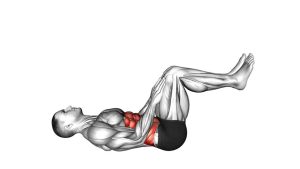
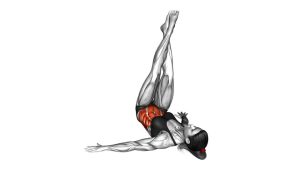
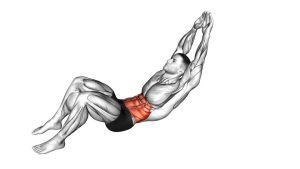
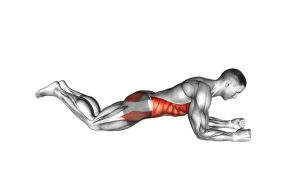
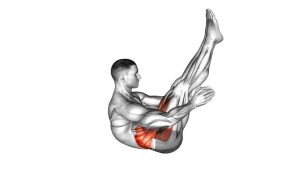
This exercise works best when every repetition stays slow, clean, and stable. First, one leg lifts while the other remains low and extended. Then, the legs switch under control. Finally, both legs rise together into a double-leg raise. Because the movement progresses from one leg to both legs, it creates a stronger core challenge without needing weights or machines.
Quick Overview
| Body Part | Core |
|---|---|
| Primary Muscle | Rectus abdominis |
| Secondary Muscle | Hip flexors, lower abs, deep core stabilizers |
| Equipment | No equipment required; optional exercise mat for comfort |
| Difficulty | Beginner to Intermediate |
Sets & Reps (By Goal)
- Core control: 2–3 sets × 6–8 slow reps per sequence
- Ab strength: 3–4 sets × 8–12 controlled reps
- Muscular endurance: 2–4 sets × 12–16 reps with steady breathing
- Beginner practice: 2 sets × 5–6 reps using a shorter range of motion
Progression rule: First improve control, then add reps. After that, increase the lowering range only if your lower back stays stable.
Setup / Starting Position
- Lie on your back: Start supine on the floor with your head, upper back, and hips supported.
- Place your arms beside you: Keep the arms long along the body, with the palms resting on the floor for light support.
- Extend both legs: Straighten the knees and keep the feet together or close together.
- Brace your core: Gently tighten the abs before lifting. Meanwhile, avoid holding your breath.
- Set the legs low: Begin with both legs extended low, but only as low as you can control without excessive back arching.
Tip: If your lower back lifts quickly, start with the legs higher or perform fewer reps. Control matters more than range.
Execution (Step-by-Step)
- Start in the low-leg position: Keep both legs straight and hovering slightly above the floor if you can maintain control.
- Raise one leg: Lift one leg upward while the opposite leg stays extended and low.
- Lower and switch: Bring the raised leg down under control while the opposite leg begins to lift.
- Complete the opposite side: Lift the second leg smoothly, keeping the pelvis as steady as possible.
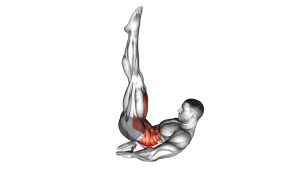
- Raise both legs together: After the single-leg phase, lift both legs upward at the same time.
- Reach the top position: Continue until the legs are close to vertical, without using momentum.
- Return with control: Lower back into the next repetition only as far as your core can stabilize.
Pro Tips & Common Mistakes
- Move slowly: A slower tempo increases abdominal tension and reduces momentum.
- Keep the knees straight: Since the video shows straight legs, maintain long legs throughout each raise.
- Control the low position: Do not lower the legs so far that your back arches off the floor.
- Use the arms lightly: The hands can stabilize you, but they should not push aggressively into the floor.
- Avoid neck tension: Keep the head relaxed and the gaze neutral instead of straining forward.
- Do not rush the switch: The single-leg transition should be smooth, not jerky.
- Brace before the double-leg raise: Because both legs are heavier together, prepare your core before lifting them.
FAQ
What muscles does the lying single-to-double leg raise work?
It mainly works the rectus abdominis, especially through lower-core control. In addition, the hip flexors assist as the legs lift and lower.
Is the lying single-to-double leg raise beginner-friendly?
Yes, it can be beginner-friendly when the range is controlled. However, the double-leg portion is harder, so beginners should keep the legs higher and use fewer reps at first.
Should my lower back stay flat during this exercise?
Your lower back should stay controlled and stable. If it arches strongly, reduce the lowering range, slow the movement, or bend the knees slightly as a temporary regression.
Why is the double-leg raise harder than the single-leg raise?
Both legs create more load on the core and hip flexors. Therefore, your abs must work harder to prevent the pelvis from tipping forward.
Can I do this exercise at home?
Yes. This is a no-equipment floor exercise, so it works well for home ab training. For comfort, you may use an exercise mat.
Recommended Equipment (Optional)
- Exercise Mat — adds comfort and support for floor-based ab exercises
- Thick Yoga Mat — useful if your lower back or hips feel pressure on hard floors
- Core Sliders — helpful for related core progressions and controlled lower-body movement drills
- Adjustable Ankle Weights — advanced option only after bodyweight control is excellent
- Ab Mat — optional support tool for additional core exercises and floor comfort
Tip: Do not add ankle weights until you can perform every rep without swinging, back arching, or losing pelvic control.