Bench Dip Hold: Proper Form, Isometric Triceps Strength, Sets & Tips
Learn the Bench Dip Hold for stronger triceps, shoulder control, and upper-body endurance with setup, form cues, sets, mistakes, FAQ, and gear.
Bench Dip Hold
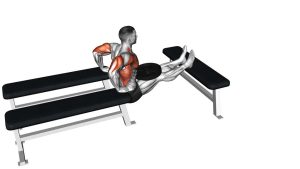
This movement works best when the body stays still and the arms control the position without bouncing. Because the hold keeps the triceps under constant tension, it can improve strength endurance, elbow control, and confidence before progressing into full bench dip repetitions. However, the shoulders should stay controlled, and the range should remain comfortable.
Quick Overview
| Body Part | Triceps |
|---|---|
| Primary Muscle | Triceps brachii |
| Secondary Muscle | Anterior shoulders, chest, forearms, core stabilizers |
| Equipment | Bench, sturdy chair, box, or elevated surface |
| Difficulty | Beginner to intermediate, depending on hold depth and leg position |
Sets & Reps (By Goal)
- Beginner control: 3–4 sets × 10–20 second holds, resting 45–75 seconds between sets.
- Triceps endurance: 3–5 sets × 20–40 second holds, using smooth breathing and steady tension.
- Strength preparation: 4–6 sets × 8–15 second deeper holds, resting 60–90 seconds between sets.
- Workout finisher: 2–3 sets × near-technical failure, stopping before shoulder form breaks down.
Progression rule: First, increase hold time. Next, straighten the legs more. Finally, hold a slightly lower position only if your shoulders remain comfortable and your elbows stay controlled.
Setup / Starting Position
- Choose a stable surface: Use a bench, sturdy chair, or box that will not slide while you hold your bodyweight.
- Place your hands behind you: Set your palms on the bench edge about shoulder-width apart, with fingers gripping the front edge if comfortable.
- Move your hips forward: Slide your hips just off the bench so your body is supported by your hands and heels.
- Set your legs: Extend the legs forward with heels on the floor. For an easier version, bend the knees and keep the feet closer.
- Organize your upper body: Keep the chest open, shoulders down, and elbows pointing backward rather than flaring widely outward.
- Brace lightly: Engage the core so the hips do not sag or swing during the hold.
Tip: The farther your feet are from the bench, the harder the hold becomes. Therefore, adjust foot position before increasing depth.
Execution (Step-by-Step)
- Start tall: Support yourself on the bench with arms extended and hips lifted in front of the surface.
- Lower under control: Bend the elbows and let the body descend slowly until you reach a stable dip position.
- Hold the bottom position: Pause with elbows bent, shoulders controlled, and hips hovering off the floor.
- Keep tension in the triceps: Press the hands into the bench without fully pushing back to the top.
- Maintain alignment: Keep the elbows tracking backward, heels planted, and chest open throughout the hold.
- Breathe steadily: Avoid holding your breath. Instead, use short controlled breaths while staying still.
- Exit safely: Press gently through the hands or bring the hips back toward the bench to finish the set with control.
Pro Tips & Common Mistakes
- Keep the elbows back: Letting the elbows flare wide can reduce triceps focus and increase shoulder stress.
- Do not drop too low: A deeper hold is not automatically better. Instead, stop where your shoulders feel stable.
- Keep the bench close: If your hips drift too far away, the shoulders may feel overloaded.
- Avoid shrugging: Keep the shoulders down and controlled rather than pulled up toward the ears.
- Use your legs to scale difficulty: Bent knees make the hold easier, while straighter legs make it harder.
- Stay still: Since this is a hold, small shaking can happen, but bouncing should not.
- Control the finish: Do not collapse to the floor when the set ends. Instead, return slowly and reset.
FAQ
What muscles does the Bench Dip Hold work?
The Bench Dip Hold mainly works the triceps. Additionally, the shoulders, chest, forearms, and core help stabilize the body during the static bottom position.
Is the Bench Dip Hold good for beginners?
Yes, it can be beginner-friendly when performed with bent knees, a short hold time, and a comfortable range. However, beginners should avoid sinking too low if the shoulders feel pinched or unstable.
How long should I hold a bench dip hold?
Start with 10–20 seconds per set. Then, once you can hold the position without shoulder discomfort or form loss, progress toward 30–40 seconds.
Is this different from regular bench dips?
Yes. Regular bench dips move through repetitions, while the Bench Dip Hold keeps you in one fixed position. As a result, it emphasizes time under tension and strength endurance.
Why do my shoulders feel uncomfortable during bench dip holds?
Shoulder discomfort can happen if you go too low, let the elbows flare, move the hips too far forward, or lack shoulder mobility. Therefore, reduce depth, bend the knees, and keep the bench close.
Can I use the Bench Dip Hold before full bench dips?
Yes. This hold can help you build confidence and control in the lower dip position before performing full repetitions. However, only progress when you can maintain a smooth, pain-free hold.
Recommended Equipment (Optional)
- Adjustable Workout Bench — provides a stable surface for bench dip holds and other upper-body exercises
- Folding Weight Bench — useful for home gyms when you need a compact bench option
- Push-Up Bars — helpful for wrist-friendly pressing variations and triceps-focused bodyweight work
- Exercise Mat — adds comfort under the heels and helps create a stable workout area
- Resistance Bands Set — useful for triceps warm-ups, shoulder activation, and upper-body accessory work
Tip: Choose a bench or chair that stays firmly in place. If the surface slides, the exercise becomes unsafe and harder to control.