Lying Crunch Straight Legs: Form, Sets, Core Tips & FAQ
Learn the Lying Crunch with straight legs to target your abs with controlled upper-body movement, clean form, sets, mistakes, FAQs, and gear.
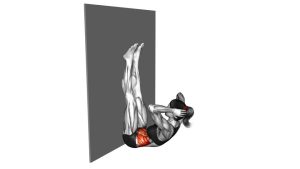
Lying Crunch (Straight Legs)
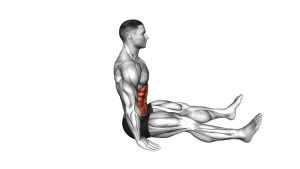
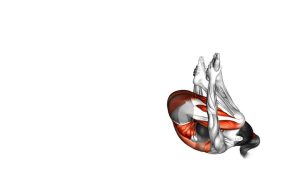
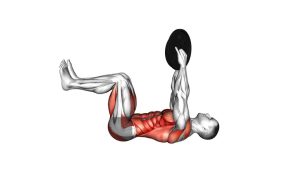
This exercise works best when the movement stays small, smooth, and strict. Because the legs remain straight and lifted, the core must stabilize the pelvis while the upper abs create the crunch. Therefore, the goal is not maximum height. Instead, the goal is a clean abdominal contraction with steady legs, relaxed shoulders, and controlled breathing.
Quick Overview
| Body Part | Abs |
|---|---|
| Primary Muscle | Rectus abdominis |
| Secondary Muscle | Deep core stabilizers, hip flexors isometric support |
| Equipment | None; optional exercise mat |
| Difficulty | Beginner to intermediate, depending on hamstring flexibility and core control |
Sets & Reps (By Goal)
- Core activation: 2 sets × 8–12 controlled reps with 30–45 seconds rest.
- Muscle endurance: 3 sets × 12–20 reps with a steady tempo and 45–60 seconds rest.
- Beginner form practice: 2–3 sets × 6–10 reps, focusing on small movement and stable legs.
- Ab finisher: 2–4 sets × 15–25 reps after your main workout, only if form stays clean.
Progression rule: Add reps first, then add a longer pause at the top. However, do not progress if the legs bend, swing, or drop during the crunch.
Setup / Starting Position
- Lie on your back: Start flat on the floor or on an exercise mat.
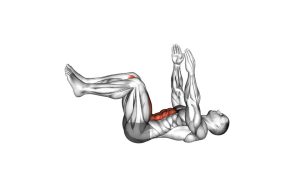
- Raise both legs: Lift the legs straight upward until they are close to vertical.
- Keep the knees extended: Maintain straight legs without locking aggressively.
- Set the upper body: Keep the head, shoulders, and upper back relaxed on the floor before each rep.
- Brace gently: Tighten the abs enough to keep the lower body steady.
If your hamstrings feel tight, keep the legs as straight as comfortable without forcing the knees or pulling the hips out of position.
Execution (Step-by-Step)
- Start from the floor: Keep both legs straight and vertical while your upper body rests down.
- Exhale and crunch: Lift your head, shoulders, and upper back slightly away from the floor.
- Keep the legs still: Do not let the legs swing, bend, or drop as your torso rises.
- Pause briefly: Hold the top position for a moment and squeeze the abs.
- Lower with control: Return the shoulders and head to the floor slowly.
- Reset before the next rep: Keep the legs vertical and repeat with the same controlled rhythm.
Pro Tips & Common Mistakes
- Do not swing the legs: The legs should act like a stable vertical anchor, not a moving part.
- Avoid pulling the neck: Keep the lift driven by the abs instead of forcing the head forward.
- Use a short range: A small crunch is enough when the abs stay engaged.
- Control the lowering phase: Do not drop the shoulders quickly after the top position.
- Keep breathing: Exhale during the crunch and inhale as you return.
- Do not chase speed: Slower reps usually create better abdominal tension.
- Watch the lower back: If the lower back arches hard, reduce the rep count or slightly soften the knees.
FAQ
What muscles does the Lying Crunch with Straight Legs work?
It mainly works the rectus abdominis, especially through a controlled upper-body crunch. Additionally, the deep core helps stabilize the torso while the legs remain straight and lifted.
Should my legs move during this exercise?
No. Based on the exercise pattern, the legs should stay straight and vertical throughout the rep. If they swing or drop, slow down and reduce the number of reps.
Is this the same as a reverse crunch?
No. In a reverse crunch, the hips usually curl or lift. In this exercise, the legs stay still while the head, shoulders, and upper back perform the crunch.
Can beginners do the Lying Crunch with Straight Legs?
Yes, but beginners should use a small range of motion and controlled reps. However, if straight legs feel too difficult, slightly bending the knees can make the setup easier.
Why do I feel this in my neck?
Neck tension usually happens when you lift with the head instead of the abs. Keep the chin relaxed, move slowly, and focus on curling the upper back rather than yanking the head forward.
Recommended Equipment
- Exercise Mat — adds comfort and support for floor-based ab exercises.
- Thick Yoga Mat — useful if your spine or hips need extra cushioning.
- Ab Workout Mat — helps support repeated crunch-style movements.
- Non-Slip Fitness Mat — keeps your body stable during controlled floor reps.
- Foam Roller — helpful for warm-ups, recovery, and gentle mobility work.
Choose equipment that improves comfort without changing the exercise pattern. The main requirement is still controlled abdominal movement with steady straight legs.