Weighted Twisting Crunch on Bench: Form, Benefits, Sets & Tips
Learn the weighted twisting crunch on bench to train abs and obliques with controlled rotation, safe setup, sets, mistakes, FAQs, and gear tips.
Weighted Twisting Crunch on Bench
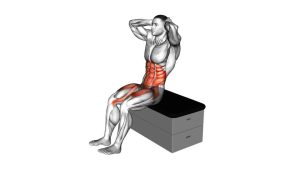
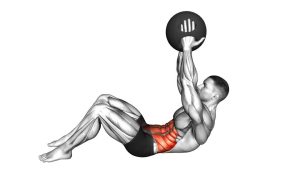
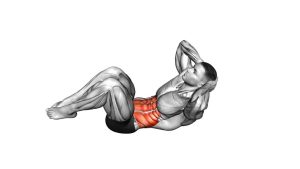
This exercise is most effective when the movement stays compact, smooth, and deliberate. Rather than turning it into a full sit-up, focus on curling the upper torso from the bench and rotating through the trunk. Additionally, keep the weight plate close to your chest so the arms do not take over the movement.
Quick Overview
| Body Part | Core |
|---|---|
| Primary Muscle | Rectus abdominis |
| Secondary Muscle | Internal obliques, external obliques, deep core stabilizers |
| Equipment | Flat bench and weight plate |
| Difficulty | Intermediate |
Sets & Reps (By Goal)
- Core strength: 3–4 sets × 8–12 reps per side with controlled rotation.
- Muscle endurance: 2–3 sets × 12–20 total reps using a lighter plate.
- Oblique focus: 3 sets × 10–15 reps per side with a short pause at the top.
- Beginner progression: 2–3 sets × 8–10 total reps using bodyweight first.
Progression rule: Add reps before adding weight. Once every rep stays smooth and your lower back remains controlled, increase the plate load slightly.
Setup / Starting Position
- Lie on the bench: Position your back on a flat bench with your knees bent and your feet stable.
- Hold the weight: Place a weight plate against your chest and secure it with both hands.
- Set your torso: Keep your ribs down, brace your core lightly, and avoid excessive arching through the lower back.
- Relax the neck: Keep your head aligned with your torso rather than pulling the chin aggressively forward.
- Prepare to rotate: Begin from a neutral position before lifting into the crunch.
Tip: If the weight plate changes your form, use a lighter plate or practice the same movement without weight first.
Execution (Step-by-Step)
- Brace gently: Tighten your abs before you move, but keep your breathing controlled.
- Crunch upward: Lift your head, shoulders, and upper back from the bench without turning it into a full sit-up.
- Rotate at the top: Twist your torso toward one side while keeping the plate close to your chest.
- Pause briefly: Hold the top position for a moment to feel the abs and obliques working.
- Lower with control: Untwist gradually and return your upper back to the bench.
- Alternate sides: Repeat the next rep while rotating toward the opposite side.
Pro Tips & Common Mistakes
- Keep the weight close: Holding the plate against the chest keeps the movement safer and easier to control.
- Rotate through the torso: Turn your rib cage instead of simply moving your elbows or arms.
- Avoid pulling the neck: Let the abs lift the torso while the neck stays relaxed.
- Do not rush the lowering phase: A slow return increases control and reduces stress on the spine.
- Use moderate range: The goal is a strong crunch and twist, not a maximum-height sit-up.
- Control the hips: Keep the lower body stable so the rotation comes mainly from the trunk.
- Choose the right load: If the plate makes your form worse, it is too heavy for this exercise.
FAQ
What muscles does the weighted twisting crunch on bench work?
It mainly works the rectus abdominis, while the twisting motion also targets the internal and external obliques. Additionally, the deep core helps stabilize the trunk throughout the movement.
Should I use a heavy weight plate?
Not at first. Use a light-to-moderate plate that lets you crunch and rotate smoothly. If your neck strains, your lower back arches, or your arms swing the plate, reduce the weight.
Is this exercise better than a regular crunch?
It is not automatically better, but it adds rotation and external resistance. Therefore, it can be useful when you already control basic crunches and want a stronger oblique challenge.
Can beginners do this movement?
Beginners should first learn the bodyweight twisting crunch on a bench. After that, they can add a light plate once the movement feels stable and controlled.
Why do I feel it in my neck?
Neck tension usually happens when the head leads the movement or the weight is too heavy. Keep your chin relaxed, lift with your abs, and reduce the load until the crunch feels controlled.
Recommended Equipment
- Adjustable Weight Bench — useful for supported crunches, presses, rows, and full-body strength training.
- Weight Plate — adds resistance while staying easy to hold against the chest.
- Exercise Mat — helpful for warm-ups, bodyweight core work, and floor-based ab exercises.
- Non-Slip Workout Gloves — improves grip when holding a weight plate close to the chest.
- Ab Workout Bench — provides another bench option for controlled crunch and core variations.
Tip: Choose equipment that helps you control the movement. More load is only useful when your crunch height, rotation, and lowering phase stay clean.