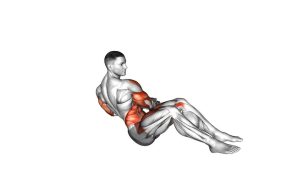
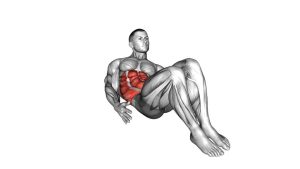
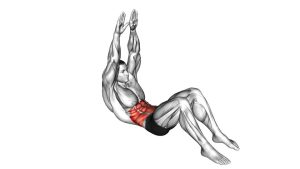
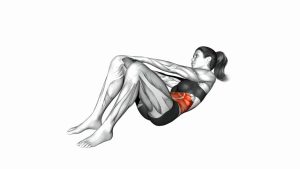
Star Plank: Core Stability Exercise for Abs, Obliques & Shoulder Control
Learn the Star Plank for core stability, oblique strength, shoulder control, and full-body tension with step-by-step form, sets, tips, and mistakes.
Star Plank
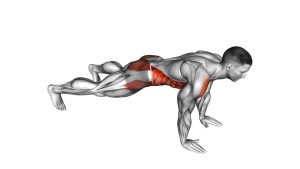
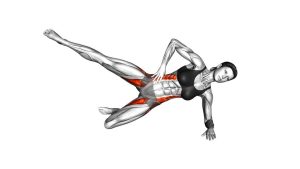
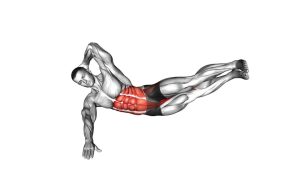
This exercise works best when every rep is slow, stable, and controlled. Instead of rushing the leg outward, keep your hands grounded, brace your core, and maintain a straight body line from head to heels. As a result, the Star Plank trains anti-rotation strength and teaches your core to stay firm while the lower body moves.
Quick Overview
| Body Part | Core |
|---|---|
| Primary Muscle | Abs and obliques |
| Secondary Muscle | Shoulders, chest stabilizers, glutes, and hip abductors |
| Equipment | No equipment required |
| Difficulty | Intermediate because it requires strong plank control and hip stability |
Sets & Reps (By Goal)
- Core control: 2–3 sets × 6–8 reps per side with a slow tempo
- Strength endurance: 3–4 sets × 8–12 reps per side with 45–75 seconds rest
- Stability warm-up: 1–2 sets × 5–6 reps per side before core or full-body training
- Advanced control: 3 sets × 6–10 reps per side with a 1–2 second hold in the wide position
Progression rule: First improve control and range. Then add more reps, longer holds, or slower tempo. However, do not progress if your hips rotate or your lower back drops.
Setup / Starting Position
- Start in a high plank: Place your hands under your shoulders with your arms fully extended.
- Set your feet: Keep your legs straight and place your feet around hip-width or slightly wider for balance.
- Brace your core: Tighten your abs as if preparing for a light punch to the stomach.
- Stack your body line: Keep your head, ribs, hips, knees, and heels aligned.
- Lock in the shoulders: Press the floor away so your upper body does not sink between your arms.
Tip: If the movement feels too hard, keep the leg movement smaller. A clean short rep is better than a wide unstable rep.
Execution (Step-by-Step)
- Hold the plank: Begin in a firm high plank with your hands planted and your core braced.
- Shift lightly into your hands: Keep your shoulders stable while preparing to move one leg.
- Move one leg outward: Slide or lift the leg slightly out to the side, depending on your surface and control.
- Keep the hips level: Resist twisting as the leg moves away from the midline.
- Pause briefly: Hold the wide position for a moment while keeping your abs tight.
- Return with control: Bring the leg back to the starting position without dropping your hips.
- Repeat evenly: Complete all reps on one side or alternate sides while maintaining the same tempo.
Pro Tips & Common Mistakes
- Press the floor away: This keeps your shoulders active and prevents upper-body collapse.
- Move slowly: A slower leg path increases core demand and reduces momentum.
- Keep the hips square: Avoid rolling the pelvis open as the leg travels outward.
- Do not sag the lower back: If your back arches, reset your ribs and squeeze your glutes lightly.
- Avoid rushing reps: Fast reps usually turn the movement into momentum instead of stability training.
- Keep your neck neutral: Look slightly ahead of your hands instead of dropping or lifting your head.
- Control the return: The inward phase matters as much as the outward phase.
FAQ
What muscles does the Star Plank work?
The Star Plank mainly targets the abs and obliques. In addition, the shoulders, chest stabilizers, glutes, and hip abductors help keep the body stable while the leg moves outward.
Is the Star Plank good for obliques?
Yes. Because the leg moves to the side while the torso stays still, the obliques work hard to resist rotation. Therefore, this exercise is useful for anti-rotation core strength.
Is the Star Plank beginner-friendly?
It is usually better for intermediate users because it requires strong plank control. However, beginners can modify it by using a smaller leg movement or holding a basic plank first.
Should I alternate legs or finish one side first?
Both options work. Alternating legs can feel more balanced, while completing one side first increases local fatigue. Choose the version that lets you keep the hips level and the torso controlled.
Why does my lower back sag during the Star Plank?
Lower-back sagging usually means the core is losing tension or the set is too difficult. Reduce the range, shorten the set, and focus on ribs-down bracing before adding more reps.
Recommended Equipment (Optional)
- Exercise Mat — adds comfort for hands and improves floor grip during plank work
- Core Sliders — useful if you want a smoother sliding version of the leg movement
- Wrist Support Wraps — can support users who feel wrist pressure in high plank positions
- Mini Resistance Bands — optional progression for hip and glute activation once bodyweight control is strong
- Push-Up Handles — may reduce wrist extension while keeping the body in a strong plank position
Tip: Equipment is optional. However, a stable mat and controlled tempo can make the Star Plank easier to learn and safer to repeat.