Lying Crunch Through Legs Abduction: Form, Benefits, Sets & Tips
Learn the Lying Crunch Through Legs Abduction to train abs with a controlled crunch, leg opening, and reach-through motion for stronger core control.
Lying Crunch Through Legs Abduction
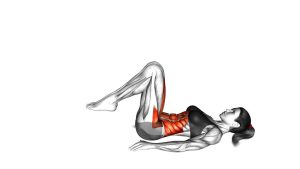
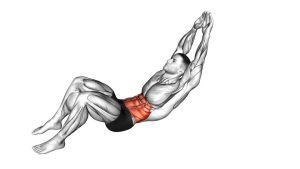
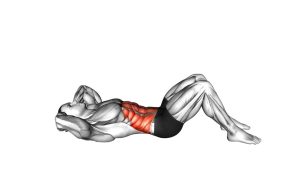
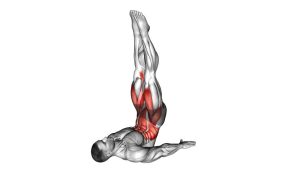
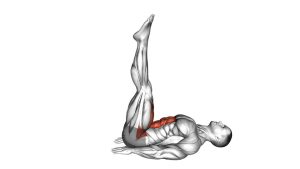
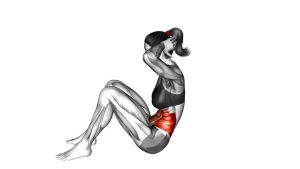
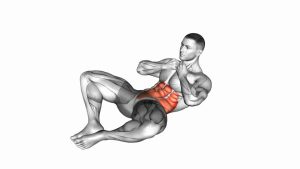
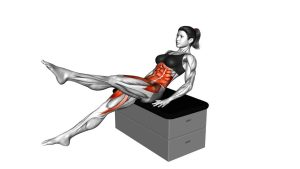
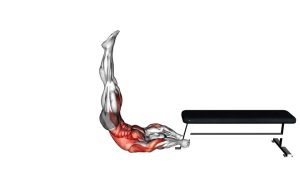
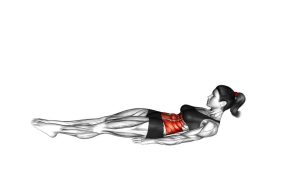
This exercise works best when the movement stays smooth, compact, and controlled. First, the arms reach upward from the floor. Then, the shoulders lift into a crunch while the legs open apart. Finally, the hands reach between the legs before the body returns back to the starting position. As a result, the exercise challenges the abs through both flexion and coordination.
Quick Overview
| Body Part | Core |
|---|---|
| Primary Muscle | Rectus abdominis |
| Secondary Muscle | Hip flexors, obliques, adductors, and deep core stabilizers |
| Equipment | None; optional exercise mat for comfort |
| Difficulty | Beginner to intermediate, depending on control and range of motion |
Sets & Reps (By Goal)
- Core activation: 2 sets × 8–10 reps with slow, clean movement
- Muscle endurance: 3 sets × 12–15 reps with steady breathing
- Ab strength control: 3–4 sets × 8–12 reps with a 1-second squeeze at the top
- Beginner practice: 2 sets × 6–8 reps using a smaller crunch range
- Home ab circuit: 30–40 seconds of controlled reps, then rest 30–45 seconds
Progression rule: Add reps only when your shoulders lift smoothly, your legs open without swinging, and your return to the floor stays controlled.
Setup / Starting Position
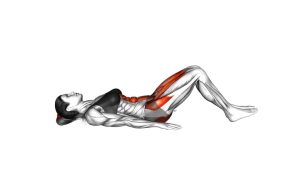
- Lie on your back: Start flat on the floor with your body fully supported.
- Raise your legs: Lift both legs vertically so they are together and pointing upward.
- Extend your arms overhead: Keep the arms long behind you on the floor before each rep.
- Brace lightly: Tighten the abs enough to control the lower back without holding your breath.
- Set your neck: Keep the neck neutral before lifting, and avoid pulling the head forward aggressively.
Tip: If the vertical leg position feels too difficult, slightly bend the knees while keeping the same reach-through pattern.
Execution (Step-by-Step)
- Begin from the floor: Keep your arms extended overhead and your legs together in a vertical position.
- Reach upward: Move your arms toward your legs as your head and shoulders begin to lift.
- Crunch higher: Continue lifting the upper back from the floor while keeping the movement controlled.
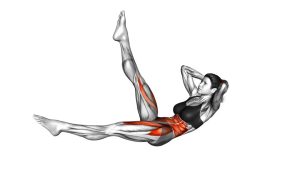
- Open the legs: As you approach the top, separate the legs into a wide abduction position.
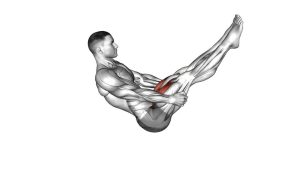
- Reach through: Guide your hands between the legs while squeezing the abs at the top.
- Pause briefly: Hold the peak position for a short moment without jerking or bouncing.
- Close and lower: Bring the legs back together as your torso lowers toward the floor.
- Reset fully: Return the arms overhead and keep the legs vertical before starting the next rep.
Pro Tips & Common Mistakes
- Use your abs, not momentum: Lift the shoulders with control instead of throwing the arms forward.
- Open the legs at the top: The abduction should happen during the crunch, not before the body moves.
- Keep the return slow: Lowering too fast reduces tension and can make the lower back arch.
- Avoid neck pulling: Let the arms reach naturally while the abs create the crunch.
- Do not over-widen the legs: Open only as far as you can control without hip discomfort.
- Maintain steady breathing: Exhale as you crunch and reach through, then inhale as you return.
- Control the legs together: When closing the legs, avoid slamming them together or losing tension.
- Use a mat if needed: A softer surface can make the spine and pelvis more comfortable during floor work.
FAQ
What muscles does the Lying Crunch Through Legs Abduction work?
The main target is the rectus abdominis, especially during the crunch. Additionally, the hip flexors help keep the legs elevated, while the obliques and deep core muscles assist with control. The leg-opening action also involves the hips and inner-thigh region.
Is this exercise good for beginners?
Yes, it can work for beginners when performed with a smaller crunch range and slower tempo. However, beginners should prioritize control over height. If the legs are difficult to keep vertical, slightly bend the knees to reduce strain.
Should my lower back stay flat on the floor?
Your lower back should stay controlled and avoid excessive arching. Because the legs are elevated, some tension through the hip flexors may appear. Therefore, brace the abs before lifting and reduce the range if your back starts to lift too much.
How do I make this exercise harder?
To increase difficulty, slow down the lowering phase, pause longer at the top, or perform more reps with strict form. However, do not add speed or excessive range if it causes your legs to swing.
How do I make this exercise easier?
Bend your knees slightly, reduce how far your legs open, or perform a smaller crunch. Also, you can rest briefly between reps so each repetition starts from a controlled reset.
Recommended Equipment (Optional)
- Exercise Mat — provides cushioning for the spine, hips, and shoulders during floor-based ab training
- Thick Yoga Mat — adds extra comfort if your floor is hard or uncomfortable
- Core Sliders — useful for pairing this move with other controlled core exercises
- Mini Resistance Bands — can be used for hip and glute activation before core workouts
- Ab Workout Bench — optional tool for broader abdominal training progressions
Tip: This exercise does not require equipment. However, a good mat can improve comfort and help you keep the movement controlled from start to finish.