Straight-Leg Sit-Up: Core Strength, Form, Sets, Tips & FAQ
Learn the Straight-Leg Sit-Up for stronger abs and core control. Step-by-step form, sets by goal, common mistakes, FAQs, and equipment tips.
Straight-Leg Sit-Up
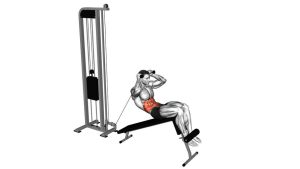
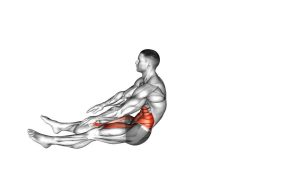
This exercise works best when the torso rises smoothly without jerking. First, the upper back curls off the floor. Then, the torso continues upward until the body reaches a seated position. Finally, the descent should stay controlled so the spine returns to the floor gradually instead of dropping.
Quick Overview
| Body Part | Abs |
|---|---|
| Primary Muscle | Rectus abdominis |
| Secondary Muscle | Hip flexors, transverse abdominis, obliques, quadriceps stabilizers |
| Equipment | None; optional exercise mat |
| Difficulty | Intermediate because the straight-leg position increases leverage and core demand |
Sets & Reps (By Goal)
- Core strength: 3–4 sets × 6–10 controlled reps, resting 60–90 seconds between sets.
- Muscular endurance: 2–3 sets × 10–15 reps, using a steady pace and clean range.
- Beginner progression: 2–3 sets × 5–8 reps with slower lowering and reduced range if needed.
- Core finisher: 2 sets × 8–12 reps after your main workout, stopping before form breaks.
Progression rule: Add reps only when you can lift and lower without swinging the arms, bending the knees, or pulling hard through the neck.
Setup / Starting Position
- Lie on your back: Start flat on the floor with both legs extended straight in front of you.
- Keep the legs long: Place the legs together or close together while keeping the knees extended.
- Set the upper body: Position your arms overhead or forward depending on the version you are performing.
- Brace gently: Tighten the abs before moving so the lower back does not arch aggressively.
- Keep the neck neutral: Look forward as you rise instead of yanking the head upward.
Tip: If your legs lift too much during the first half of the rep, slow down and reduce the range before adding more repetitions.
Execution (Step-by-Step)
- Start from the floor: Lie flat with your legs straight and your body fully extended.
- Begin the curl: Lift your head, shoulders, and upper back from the floor while keeping the movement smooth.
- Continue rising: Bring the torso upward through the midrange as the abs and hip flexors work together.
- Reach the top position: Sit tall or slightly forward while keeping the legs extended in front of you.
- Control the descent: Lower the spine back to the floor gradually instead of collapsing down.
- Reset cleanly: Return to the starting position, rebrace, and repeat with the same controlled tempo.
Pro Tips & Common Mistakes
- Use control, not momentum: Move slowly enough that the abs initiate the lift instead of the arms swinging you upward.
- Keep the legs straight: Slight tension through the thighs helps maintain the long-leg position.
- Do not yank the neck: Let the torso move as one controlled unit while the neck stays relaxed.
- Avoid crashing down: The lowering phase should be smooth because it builds eccentric core strength.
- Watch the lower back: If the back arches or feels compressed, use a smaller range or switch to a bent-knee version.
- Breathe with the rep: Exhale as you rise, then inhale as you return to the floor.
FAQ
Is the Straight-Leg Sit-Up good for abs?
Yes. It strongly trains the rectus abdominis, especially during the curl-up and controlled lowering phases. However, because the legs stay straight, the hip flexors also assist during the movement.
Is this exercise beginner-friendly?
Not always. The straight-leg position makes the exercise harder than a standard bent-knee sit-up. Beginners should start with crunches, bent-knee sit-ups, or partial-range straight-leg sit-ups first.
Why do my hip flexors feel this exercise?
The hip flexors help pull the torso into the seated position, especially after the upper back leaves the floor. This is normal, but the abs should still control the movement.
Should my feet stay on the floor?
Ideally, the legs stay straight and stable. If your feet lift slightly, reduce speed and focus on bracing. If they lift a lot, the variation may currently be too difficult.
Can the Straight-Leg Sit-Up hurt the lower back?
It can bother the lower back if the abs cannot control the long-lever position. Therefore, stop if you feel back pain and use a regression until your core control improves.
Recommended Equipment (Optional)
- Exercise Mat — adds comfort for the spine and hips during floor-based core training.
- Thick Yoga Mat — useful if your lower back or tailbone needs extra cushioning.
- Ab Mat — can support controlled abdominal work, although it should not force an uncomfortable arch.
- Core Sliders — helpful for pairing this exercise with additional core stability drills.
- Resistance Bands Set — useful for warm-ups, assisted core drills, and hip-flexor-friendly progressions.
Tip: Equipment is optional. However, a comfortable mat can make the exercise easier to practice consistently with better control.