Russian Twist Plus: Form, Core Rotation Tips, Sets & Benefits
Learn the Russian Twist Plus to train obliques, abs, and core control with proper V-sit posture, smooth rotation, sets, tips, FAQs, and gear.
Russian Twist Plus
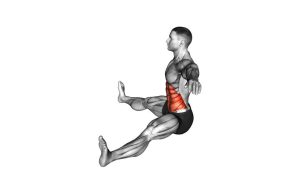
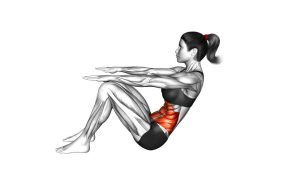
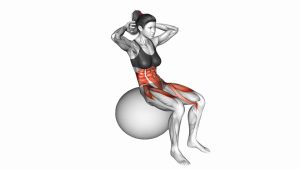
This exercise works best when the movement comes from the rib cage and trunk, not just the arms. Your hands should travel with your shoulders as your torso rotates. Keep the chest lifted, knees bent, feet lightly elevated, and lower back controlled. A smooth Russian Twist Plus should feel like a strong oblique contraction on each side, with the abs working continuously to hold the V-sit shape.
Quick Overview
| Body Part | Core |
|---|---|
| Primary Muscle | Obliques |
| Secondary Muscle | Rectus abdominis, transverse abdominis, hip flexors, lower abs |
| Equipment | None required; optional exercise mat, medicine ball, dumbbell, or resistance band |
| Difficulty | Intermediate because the feet-elevated position increases balance and core demand |
Sets & Reps (By Goal)
- Core endurance: 2–4 sets × 20–40 total twists with a smooth, controlled rhythm.
- Oblique strength: 3–4 sets × 10–16 total twists using a slower tempo or light load.
- Beginner control: 2–3 sets × 8–12 total twists with heels on the floor if needed.
- Conditioning finisher: 2–3 rounds × 30–45 seconds while keeping the torso stable.
Progression rule: First improve posture, control, and equal rotation on both sides. Then progress by increasing reps, slowing the tempo, elevating the feet higher, or holding a light medicine ball or dumbbell.
Setup / Starting Position
- Sit on the floor: Place yourself on a mat with knees bent and feet close enough to control your balance.
- Lean back slightly: Create a V-sit angle by leaning the torso back while keeping the chest lifted.
- Brace the core: Pull the ribs down gently and tighten the abs without holding your breath.
- Lift the feet: Raise both feet slightly off the floor if you can keep the spine stable. Keep heels down for an easier version.
- Set the hands: Clasp your hands in front of the chest, or hold a light object close to the body.
Keep your spine long. If your lower back rounds aggressively or your hip flexors dominate immediately, reduce the lean angle or keep your heels on the floor.
Execution (Step-by-Step)
- Start in the V-sit: Keep the chest lifted, abs braced, knees bent, and feet stable.
- Rotate to one side: Turn your shoulders and rib cage together while moving your hands toward the outside of one hip.
- Pause briefly: Feel the obliques contract at the end of the twist without collapsing the spine.
- Return through center: Bring the torso back to the middle with control instead of bouncing.
- Rotate to the opposite side: Repeat the same motion to the other hip while keeping both legs steady.
- Continue alternating: Each right-and-left sequence should stay smooth, balanced, and controlled.
Pro Tips & Common Mistakes
- Rotate from the torso: Turn the shoulders and ribs together instead of only moving the hands side to side.
- Keep the abs braced: Do not let the lower back collapse or arch excessively during the twist.
- Control the legs: The knees and feet should stay mostly steady while the upper body rotates.
- Avoid rushing: Fast reps often create momentum and reduce real core tension.
- Use a small range first: A clean short twist is better than a large uncontrolled swing.
- Do not pull with the neck: Keep the head aligned with the chest and avoid jutting the chin forward.
- Breathe steadily: Exhale slightly during each rotation and inhale as you pass through center.
- Scale when needed: Put the heels down if balance becomes the main limitation instead of core control.
FAQ
What muscles does the Russian Twist Plus work?
The Russian Twist Plus mainly works the obliques. It also trains the rectus abdominis, transverse abdominis, hip flexors, and deep core stabilizers because you must hold a V-sit while rotating.
Is the Russian Twist Plus good for abs?
Yes. It is useful for building rotational core strength and oblique endurance. For best results, perform it slowly and keep constant abdominal tension instead of rushing through the reps.
Should my feet be on the floor or elevated?
Elevated feet make the exercise harder because they increase balance and hip-flexor demand. If your form breaks down, keep your heels on the floor until your torso control improves.
Why do I feel Russian Twists in my hip flexors?
The hip flexors help hold your legs up in the V-sit position. Some activation is normal. If they dominate, reduce the lean angle, lower the feet, or rest the heels on the floor.
Can beginners do the Russian Twist Plus?
Beginners can use a modified version with the heels on the floor and a smaller rotation. The full feet-elevated version is better once the person can brace the core without rounding the lower back.
How can I make the Russian Twist Plus harder?
You can slow the tempo, hold the end range briefly, lift the feet higher, extend the arms farther from the chest, or hold a light medicine ball, dumbbell, or weight plate.
Recommended Equipment
- Exercise Mat — provides comfort and grip for seated core exercises
- Medicine Ball — adds controlled resistance for harder Russian Twist variations
- Adjustable Dumbbell — useful for progressive loaded core rotation work
- Resistance Bands Set — helpful for anti-rotation drills and full core training
- Core Sliders — useful for pairing Russian Twists with plank and ab stability exercises
Start with bodyweight first. Add equipment only when your rotation is smooth, your lower back stays stable, and your legs remain controlled throughout the set.