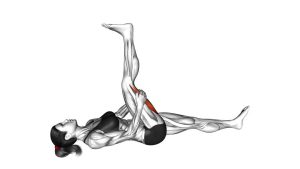
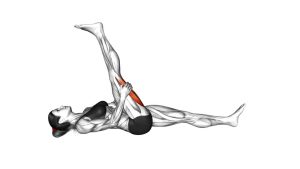
Standing Hamstring and Calf Stretch with Strap: Form, Benefits & Tips
Learn the Standing Hamstring and Calf Stretch with Strap to improve posterior-chain flexibility, ankle mobility, and lower-body recovery safely.
Standing Hamstring and Calf Stretch with Strap
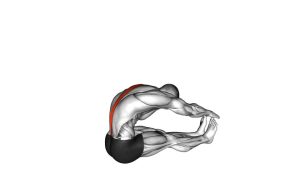
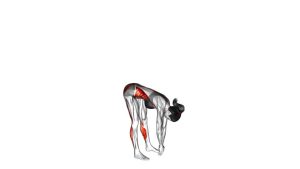
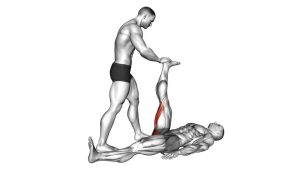
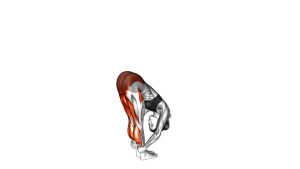
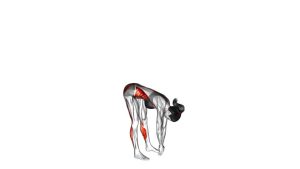
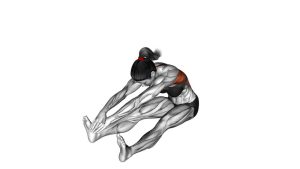
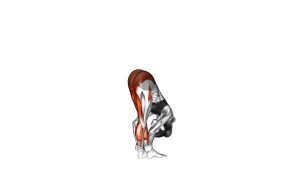
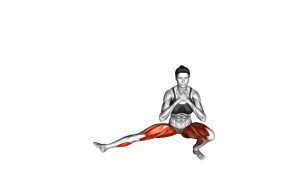
This exercise is best used when you want to improve hamstring flexibility, reduce calf tightness, support better lower-body movement quality, or prepare the posterior chain for training. Because the strap controls the foot angle, you can adjust the stretch intensity without bouncing, twisting, or rounding the spine aggressively.
Quick Overview
| Body Part | Legs |
|---|---|
| Primary Muscle | Hamstrings |
| Secondary Muscle | Calves, glutes, plantar fascia, and posterior-chain connective tissue |
| Equipment | Stretch strap, yoga strap, resistance band, or towel |
| Difficulty | Beginner-friendly static flexibility exercise |
Sets & Reps (By Goal)
- General flexibility: 2–3 sets × 20–30 seconds per side
- Post-workout cooldown: 1–3 sets × 30–45 seconds per side
- Calf and ankle mobility focus: 2–4 sets × 20–40 seconds per side with gentle toe pull
- Hamstring tightness management: 2–3 sets × 30 seconds per side, performed slowly and consistently
- Beginner mobility routine: 1–2 sets × 15–25 seconds per side with light strap tension
Progression rule: Add time before adding intensity. A longer, relaxed hold is usually better than pulling harder. Progress only when you can keep the front knee straight, hips square, and spine controlled.
Setup / Starting Position
- Stand tall: Begin in a stable upright position with your feet about hip-width apart.
- Place one leg forward: Step the stretching leg slightly in front of your body and keep the heel grounded.
- Loop the strap: Place the strap, towel, or band around the ball of the front foot, not around the toes only.
- Hold both ends: Grip the strap with both hands and create light tension before leaning forward.
- Set the knee position: Keep the front knee mostly straight with a soft lock. Avoid aggressive hyperextension.
- Square the hips: Keep both hip bones facing forward so the stretch stays even through the back of the leg.
- Prepare your posture: Keep the chest open, spine long, shoulders relaxed, and eyes slightly forward.
Tip: If balance is difficult, stand near a wall, rack, or chair and use one hand for light support while the other hand controls the strap.
Execution (Step-by-Step)
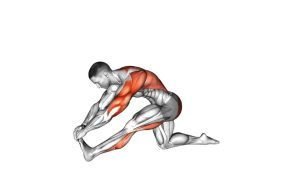
- Start with light strap tension: Pull the strap gently so the toes move slightly toward the shin.
- Hinge from the hips: Lean your torso forward by folding at the hips, not by rounding the lower back.
- Keep the front leg long: Maintain a mostly straight knee so the hamstrings receive the stretch.
- Increase dorsiflexion: Use the strap to pull the forefoot back just enough to feel the calf lengthen.
- Hold the position: Breathe slowly and keep the stretch steady for the target time.
- Control the intensity: Reduce strap tension if the stretch feels sharp behind the knee, Achilles, or foot arch.
- Return slowly: Release the strap tension first, then stand upright with control.
- Switch sides: Repeat the same setup and timing on the opposite leg.
Pro Tips & Common Mistakes
- Use a hip hinge: Think about sending the hips back instead of collapsing your chest toward the thigh.
- Pull the foot gently: The strap should guide the toes upward, not force the ankle into an uncomfortable position.
- Keep the heel stable: A grounded heel helps the calf stretch stay consistent.
- Avoid bouncing: Fast bouncing can irritate the hamstrings, calf, Achilles tendon, or plantar fascia.
- Do not round aggressively: Excessive spinal rounding can shift tension away from the hamstrings and into the lower back.
- Keep the knee controlled: Straight is useful, but hard locking or pushing into hyperextension is unnecessary.
- Breathe through the hold: Slow breathing helps reduce guarding and improves stretch tolerance.
- Match both sides: Stretch both legs evenly, even if one side feels tighter.
- Use support when needed: Balance should not be the limiting factor. Use a wall or chair if stability is poor.
- Stop before pain: A strong stretch is acceptable, but sharp pain is a sign to reduce intensity immediately.
FAQ
What muscles does the Standing Hamstring and Calf Stretch with Strap target?
It primarily targets the hamstrings. It also stretches the calves, especially when the strap pulls the toes toward the shin. Some people may also feel light tension through the foot arch, glutes, and lower posterior chain.
Should my front knee be completely straight?
Keep the front knee mostly straight, but avoid forcing a hard lockout. A soft straight-leg position usually gives a strong hamstring stretch while keeping the knee more comfortable.
Where should I feel the stretch?
You should feel the stretch through the back of the thigh and calf. If you feel sharp pain behind the knee, tingling, numbness, or lower-back discomfort, reduce the range and use less strap tension.
Is this stretch better before or after training?
It is usually best after training, during a cooldown, or during a dedicated mobility session. Before training, keep the hold shorter and lighter so the legs do not feel overly relaxed before powerful movements.
Can I use a towel instead of a stretch strap?
Yes. A towel, yoga strap, or non-elastic stretching strap can work well. A looped stretching strap may be easier to hold because it provides more grip options and steadier tension.
How long should I hold the stretch?
Most people can start with 20–30 seconds per side. For deeper flexibility work, use 30–45 seconds while keeping the intensity smooth, controlled, and pain-free.
Recommended Equipment
- Yoga Stretching Strap with Loops — ideal for controlled hamstring and calf stretching with adjustable hand positions
- Non-Elastic Physical Therapy Stretch Strap — helps maintain steady tension without bouncing or overstretching
- Adjustable Calf Stretch Slant Board — useful for separate calf and ankle mobility work
- Foam Roller for Hamstrings and Calves — useful before stretching to reduce tightness and improve tissue readiness
- Massage Ball for Feet and Calves — helpful for foot arch, plantar fascia, and calf tension management
Tip: Choose a strap that feels secure in your hands. For this stretch, a non-elastic strap is usually easier to control than a very stretchy resistance band.