Kettlebell Lunge Pass-Through: Form, Muscles, Sets & Tips
Learn the Kettlebell Lunge Pass-Through for stronger legs, glutes, balance, and core control with step-by-step form, sets, tips, FAQs, and gear.
Kettlebell Lunge Pass-Through
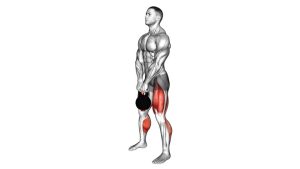
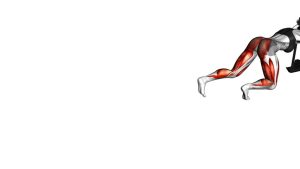
This movement is best used when you want a lunge variation that trains more than simple leg strength. Because the kettlebell changes hands at the bottom of the lunge, your body must resist rotation, control the hips, stabilize the trunk, and maintain balance through a single-leg dominant pattern. Keep every rep smooth and deliberate. The pass-through should happen under control, not as a rushed swing.
Quick Overview
| Body Part | Legs |
|---|---|
| Primary Muscle | Quadriceps and glutes |
| Secondary Muscle | Hamstrings, adductors, calves, obliques, transverse abdominis, forearms, and shoulder stabilizers |
| Equipment | Kettlebell |
| Difficulty | Intermediate |
Sets & Reps (By Goal)
- Technique and coordination: 2–3 sets × 6–8 reps per side using a light kettlebell.
- Strength and control: 3–4 sets × 8–10 reps per side with moderate load and clean balance.
- Conditioning: 3–5 rounds × 10–12 total reps per side with short rest and steady rhythm.
- Warm-up activation: 1–2 sets × 5–6 reps per side using a very light kettlebell.
Progression rule: Improve balance, knee tracking, and pass-through control before increasing kettlebell weight. A heavier kettlebell is only useful if your lunge remains stable and your torso stays square.
Setup / Starting Position
- Stand tall: Begin with your feet about hip-width apart and your chest lifted.
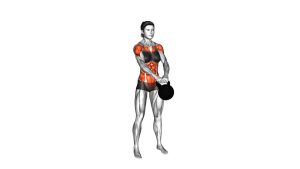
- Hold the kettlebell: Grip one kettlebell by the handle in one hand, letting it hang naturally at your side.
- Brace your core: Keep your ribs stacked over your pelvis and avoid leaning to one side because of the offset load.
- Set your shoulders: Keep both shoulders relaxed, level, and away from your ears.
- Choose your stride: Step far enough forward so your front foot stays flat and your back knee can lower comfortably.
Tip: Start with a slower tempo and a light kettlebell until the hand transfer feels smooth and predictable.
Execution (Step-by-Step)
- Step forward: Take a controlled step forward with one leg while the kettlebell hangs in the opposite or same-side hand.
- Lower into the lunge: Bend both knees and descend until your front thigh approaches parallel or your comfortable range.
- Keep alignment: Keep the front knee tracking over the middle toes while your torso stays tall and stable.
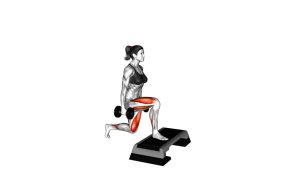
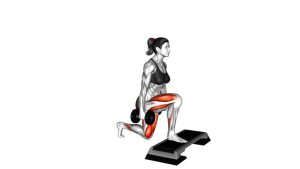
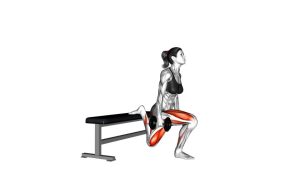
- Pass the kettlebell: At the bottom position, guide the kettlebell under the front thigh and transfer it to the opposite hand.
- Control the trunk: Avoid rotating your chest or shifting your hips as the kettlebell changes sides.
- Drive upward: Push through the front foot, especially the midfoot and heel, to return to standing.
- Reset posture: Bring the feet back together, stand tall, and prepare to repeat on the other side.
Pro Tips & Common Mistakes
- Stay tall through the lunge: A slight forward torso angle is normal, but avoid folding over the front thigh.
- Do not rush the pass: The kettlebell transfer should be clean and quiet, not a swinging motion.
- Keep the front knee stable: Do not let the knee cave inward as you reach under the thigh.
- Control the hips: Keep both hip bones facing forward during the pass-through.
- Use a light kettlebell first: This exercise requires coordination before heavy loading.
- Grip with purpose: Hold the kettlebell securely before releasing it to the opposite hand.
- Do not twist your spine: Let the arms move around the leg while your trunk stays controlled.
- Step with enough space: A short stride can make the pass awkward and increase knee stress.
FAQ
What muscles does the Kettlebell Lunge Pass-Through work?
It mainly works the quadriceps and glutes. It also trains the hamstrings, adductors, calves, obliques, deep core muscles, grip, and shoulder stabilizers because the kettlebell changes sides during the lunge.
Is the Kettlebell Lunge Pass-Through good for balance?
Yes. The forward lunge already challenges single-leg stability, and the under-thigh kettlebell transfer adds an extra coordination and anti-rotation demand. This makes it useful for balance, athletic control, and functional strength.
Should beginners do this exercise?
Beginners should first learn bodyweight lunges and basic kettlebell handling. Once they can lunge with good knee control and balance, they can use a light kettlebell and practice the pass-through slowly.
How heavy should the kettlebell be?
Start light enough that you can pass the kettlebell smoothly without twisting, wobbling, or losing posture. Most people should prioritize control before using moderate or heavy loads.
What is the biggest mistake with this exercise?
The most common mistake is rushing the pass and twisting the torso. The kettlebell should move under the thigh while the hips and chest stay as square and stable as possible.
Recommended Equipment
- Kettlebell Set — useful for progressing from light technique work to stronger loaded lunges.
- Adjustable Kettlebell — space-saving option for changing resistance as your coordination improves.
- Non-Slip Exercise Mat — helps provide stable footing during lunge practice.
- Weightlifting Shoes — helpful for lifters who want a firmer base and improved lower-body stability.
- Workout Gloves / Grip Gloves — optional grip support when practicing repeated kettlebell hand transfers.
Tip: Choose equipment that improves control, not just load. For this exercise, stability and clean coordination matter more than maximum kettlebell weight.