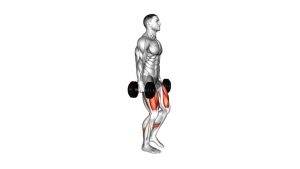
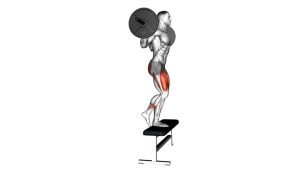
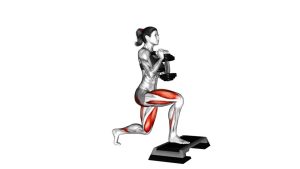
Cable Lateral Step-Up: Form, Muscles Worked, Sets, Tips & FAQ
Learn the Cable Lateral Step-Up for stronger glutes, quads, hip stability, and balance. Includes setup, form cues, mistakes, FAQs, and gear.
Cable Lateral Step-Up
This exercise is excellent for building strong, stable legs because it combines vertical drive with lateral control. The working leg pushes through the bench while the core, glute medius, and hip stabilizers keep the pelvis level. Use a smooth tempo, avoid rushing the step, and focus on pushing through the full foot of the elevated leg instead of jumping from the floor leg.
Quick Overview
| Body Part | Legs |
|---|---|
| Primary Muscle | Glutes and quadriceps |
| Secondary Muscle | Glute medius, hamstrings, calves, hip stabilizers, and core |
| Equipment | Cable machine, single handle attachment, and bench or step-up platform |
| Difficulty | Intermediate |
Sets & Reps (By Goal)
- Strength: 3–4 sets × 6–8 reps per side with controlled cable resistance.
- Hypertrophy: 3–4 sets × 8–12 reps per side with a steady tempo and full control.
- Balance and stability: 2–3 sets × 10–14 reps per side using a lighter load.
- Warm-up activation: 1–2 sets × 8–10 reps per side with very light resistance.
Progression rule: Increase reps first, then cable resistance. Do not increase the load if balance, knee tracking, or hip control breaks down.
Setup / Starting Position
- Place a bench beside the cable machine: Position the bench so you can step onto it laterally.
- Set the pulley low: Attach a single handle to the low cable setting.
- Hold the handle firmly: Keep the cable arm relaxed but stable so the cable creates sideways tension.
- Stand beside the bench: The working leg should be closest to the bench and ready to step up.
- Brace your core: Keep your ribs stacked, chest tall, and shoulders level before starting the rep.
A lower bench is usually better for learning. The goal is clean single-leg control, not maximum step height.
Execution (Step-by-Step)
- Step onto the bench: Place the working foot flat on the bench with the knee pointing in line with the toes.
- Drive through the elevated foot: Push through the heel and midfoot to lift your body upward.
- Keep your torso stable: Resist the cable pull without leaning, twisting, or collapsing sideways.
- Reach the top position: Stand tall on the bench and squeeze the working glute without locking the knee aggressively.
- Lower with control: Step back down slowly, letting the working leg control the descent.
- Reset before the next rep: Rebrace, check your balance, and repeat for the target reps.
Pro Tips & Common Mistakes
- Push from the top leg: Do not bounce or jump from the floor leg.
- Control the knee: Keep the knee tracking over the toes instead of letting it cave inward.
- Stay tall: Avoid excessive forward lean unless you intentionally want more hip emphasis.
- Use light cable tension first: Too much resistance will turn the exercise into a balance struggle.
- Lower slowly: The descent builds strength and control, so do not drop quickly to the floor.
- Keep the hips level: Avoid hiking one hip or rotating your pelvis toward the cable machine.
- Match both sides: Train the weaker side first and use the same reps and load on the stronger side.
FAQ
What muscles does the Cable Lateral Step-Up work?
The Cable Lateral Step-Up mainly works the glutes and quadriceps. It also trains the glute medius, hamstrings, calves, hip stabilizers, and core because the cable creates a sideways stability challenge.
Is the Cable Lateral Step-Up good for glutes?
Yes. It is especially useful for training the glutes because the working leg must extend the hip while the glute medius helps keep the pelvis stable during the lateral step-up pattern.
How high should the bench be?
Use a bench height that lets you step up without pushing strongly from the floor leg. A lower platform is better for beginners, while a higher platform increases hip and quad demand.
Should I use heavy cable resistance?
Not at first. Cable resistance should be light enough that you can control your posture, knee position, and balance. Increase the load only when every rep looks stable.
Why do I feel this exercise in my core?
The cable pulls your body sideways, so your core must resist leaning and rotating. This makes the movement a lower-body exercise with a strong anti-rotation and anti-lateral-flexion stability demand.
Recommended Equipment
- Cable Machine Handle Attachment — useful for holding cable resistance securely during step-up variations.
- Adjustable Workout Bench — provides a stable elevated surface for lateral step-up training.
- Aerobic Step Platform — allows easier height adjustment for beginners and stability-focused sessions.
- Non-Slip Training Shoes — helps improve grip and confidence during single-leg stepping movements.
- Mini Resistance Bands — useful for glute medius activation before lateral step-ups.
Tip: Choose stable equipment before adding load. A secure bench or platform is more important than using heavy cable resistance.