Barbell Full Squat: Proper Form, Muscles Worked, Sets, Tips & FAQ
Learn the Barbell Full Squat with safe back squat form, depth control, sets by goal, common mistakes, FAQs, and recommended squat equipment.
Barbell Full Squat
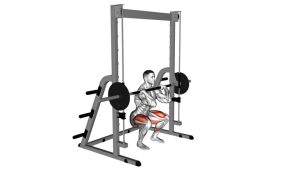
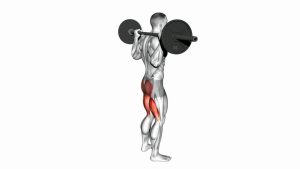
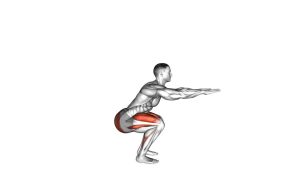
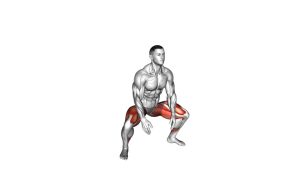
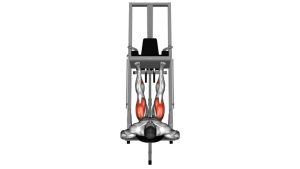
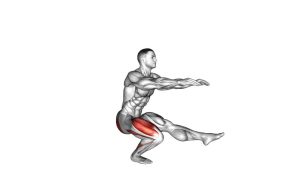
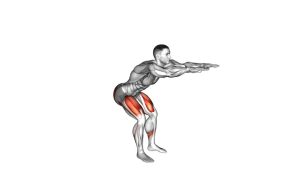
This exercise works best when the lifter controls the descent, keeps the torso braced, and maintains a stable bar path. From the back view, the movement should look balanced from left to right, with both knees tracking in line with the toes and no visible hip shift. A clean rep uses strong leg drive without letting the chest collapse or the hips shoot up too early.
Quick Overview
| Body Part | Legs |
|---|---|
| Primary Muscle | Quadriceps, glutes |
| Secondary Muscle | Hamstrings, adductors, calves, spinal erectors, core stabilizers |
| Equipment | Barbell, weight plates, squat rack, collars |
| Difficulty | Intermediate |
Sets & Reps (By Goal)
- Strength: 3–6 sets × 3–6 reps with 2–4 minutes rest
- Muscle growth: 3–5 sets × 6–12 reps with 90–150 seconds rest
- Technique practice: 3–4 sets × 5–8 controlled reps with light-to-moderate weight
- Lower-body endurance: 2–4 sets × 12–15 reps with 60–90 seconds rest
Progression rule: Add weight only when every rep reaches consistent depth, the knees track cleanly, and the bar stays balanced over the mid-foot.
Setup / Starting Position
- Set the rack height: Position the bar around upper-chest height so you can unrack it without standing on your toes.
- Create your upper-back shelf: Step under the bar and place it across the upper traps for a high-bar squat or slightly lower across the rear delts for a low-bar variation.
- Grip the bar firmly: Place both hands evenly on the bar and pull the elbows slightly down and back to create upper-back tightness.
- Brace before unracking: Take a deep breath into your abdomen, tighten your core, and stand tall to lift the bar out of the rack.
- Set your stance: Step back carefully, place the feet about shoulder-width apart, and angle the toes slightly outward.
- Lock in balance: Keep the weight distributed through the mid-foot, not only the heels or toes.
Execution (Step-by-Step)
- Brace and inhale: Before each rep, take a controlled breath and tighten your trunk as if preparing to absorb pressure.
- Start the descent: Bend the knees and hips together while keeping the bar stacked over the mid-foot.
- Track the knees: Let the knees move in the same direction as the toes. Do not allow them to collapse inward.
- Control the depth: Lower until the hips pass below the knees, or to the deepest range you can control without losing spinal position.
- Drive upward: Push through the full foot and extend the knees and hips together.
- Keep the chest connected: Do not let the hips rise much faster than the torso.
- Finish tall: Stand fully upright without overextending the lower back or snapping the knees aggressively.
Pro Tips & Common Mistakes
- Keep the bar over the mid-foot: If the bar drifts forward, the squat becomes harder on the lower back.
- Do not let the knees cave in: Push the knees in line with the toes during both the descent and ascent.
- Control the bottom position: Avoid dropping into the squat without tension.
- Brace before every rep: A strong brace protects the spine and improves power transfer.
- Avoid the “good morning” pattern: Do not let the hips shoot up while the chest stays low.
- Use consistent depth: Make each rep look the same instead of cutting depth as fatigue builds.
- Keep both feet active: Maintain pressure through the heel, big toe, and little toe for a stable tripod base.
FAQ
What muscles does the Barbell Full Squat work?
The Barbell Full Squat primarily works the quadriceps and glutes. It also trains the hamstrings, adductors, calves, spinal erectors, and core stabilizers.
How deep should I squat?
A full squat usually means lowering until the hips pass below the knees. However, your best depth is the deepest range you can control while keeping balance, bracing, and spinal position.
Is the Barbell Full Squat good for building legs?
Yes. It is one of the most effective compound exercises for building lower-body strength and muscle because it loads the quads, glutes, adductors, and trunk at the same time.
Should beginners do Barbell Full Squats?
Beginners can learn the movement, but they should start with bodyweight squats, goblet squats, or an empty bar before adding heavy weight.
Why do my knees cave in during squats?
Knee cave may happen from poor control, weak hip stability, fatigue, or using too much weight. Reduce the load and focus on driving the knees in line with the toes.
Recommended Equipment
- Olympic Barbell — essential for loading the Barbell Full Squat safely and progressively
- Squat Rack with Safety Arms — provides safe unracking, reracking, and protection during heavy sets
- Weightlifting Belt — helps advanced lifters improve bracing during heavy squat training
- Knee Sleeves — adds warmth and light support around the knees during squat sessions
- Weightlifting Shoes — provides a stable base and raised heel for improved squat depth and posture
Tip: Equipment should support better technique, not hide poor form. Master your brace, stance, and depth before chasing heavier loads.