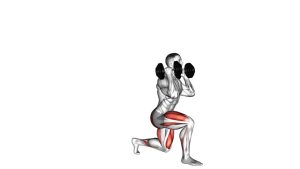
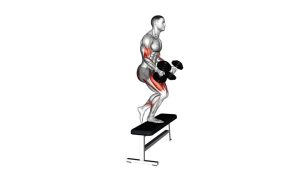
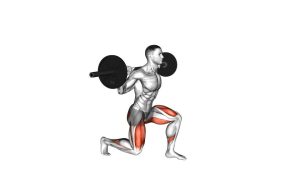
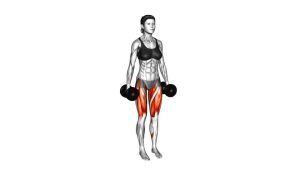
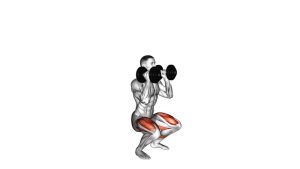
Dumbbell Walking Lunges: Form, Muscles, Sets, Tips & FAQ
Learn Dumbbell Walking Lunges for stronger legs, glutes, balance, and control. Includes setup, step-by-step form, sets, mistakes, FAQs, and gear.
Dumbbell Walking Lunges
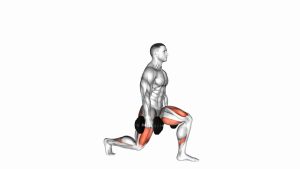
This exercise works best when every step is controlled and consistent. Keep the torso tall, hold the dumbbells firmly at your sides, and let the front leg do most of the work. A strong rep should feel stable through the front foot, smooth through the hips, and balanced from step to step.
Quick Overview
| Body Part | Legs |
|---|---|
| Primary Muscle | Quadriceps and glutes |
| Secondary Muscle | Hamstrings, calves, adductors, core, and hip stabilizers |
| Equipment | Pair of dumbbells |
| Difficulty | Intermediate |
Sets & Reps (By Goal)
- Strength: 3–5 sets × 6–10 steps per leg with heavier dumbbells and full rest.
- Muscle growth: 3–4 sets × 10–14 steps per leg with controlled tempo.
- Endurance: 2–4 sets × 16–24 total steps with moderate weight.
- Balance and control: 2–3 sets × 8–12 steps per leg using lighter dumbbells.
Progression rule: Add reps first, then increase dumbbell weight once every step stays balanced, deep, and controlled.
Setup / Starting Position
- Stand tall: Keep your feet about hip-width apart with your chest lifted and ribs controlled.
- Hold the dumbbells: Grip one dumbbell in each hand with your arms straight at your sides.
- Set your posture: Keep the shoulders relaxed, spine neutral, and eyes looking forward.
- Brace lightly: Engage your core before stepping so your torso does not sway.
- Create space: Use a clear walking lane so you can step forward without adjusting your path.
Execution (Step-by-Step)
- Step forward: Take a controlled forward step with one leg, landing through the heel and mid-foot.
- Lower under control: Bend both knees and drop the rear knee toward the floor without slamming it down.
- Keep alignment: Track the front knee in line with the toes and avoid letting it collapse inward.
- Reach depth: Lower until the front thigh is near parallel or your comfortable active range is reached.
- Drive up: Push through the front foot to stand and bring the rear leg forward into the next step.
- Alternate legs: Continue walking forward with smooth, consistent steps.
Pro Tips & Common Mistakes
- Use a consistent stride: A moderate-to-long step usually increases glute involvement and improves control.
- Do not step too narrow: Keep a small hip-width lane between your feet to avoid wobbling.
- Avoid knee collapse: Keep the front knee tracking over the mid-foot.
- Do not lean excessively: A slight natural forward angle is fine, but avoid folding at the waist.
- Control the bottom: Touching the rear knee lightly is acceptable, but bouncing off the floor is not.
- Keep dumbbells stable: Do not swing the weights for momentum.
- Push through the front leg: Avoid turning the movement into a rear-leg push-off.
FAQ
What muscles do Dumbbell Walking Lunges work?
Dumbbell Walking Lunges mainly work the quadriceps and glutes. They also train the hamstrings, calves, adductors, core, and hip stabilizers because each step requires balance and single-leg control.
Are Dumbbell Walking Lunges better for quads or glutes?
They can train both. A shorter, more upright step usually emphasizes the quads more, while a slightly longer stride with strong front-foot pressure can increase glute involvement.
How heavy should the dumbbells be?
Choose a weight that allows you to complete all reps without losing balance, shortening your range, or letting the knees cave inward. Clean control is more important than heavy loading.
Should the rear knee touch the floor?
The rear knee may lightly touch the floor if you can control it. Do not bounce or slam the knee down. Stop just above the floor if touching causes discomfort.
Are Dumbbell Walking Lunges good for athletes?
Yes. They build unilateral leg strength, balance, hip control, and coordination, which can carry over well to running, jumping, climbing, and sport-specific movement.
Recommended Equipment
- Adjustable Dumbbells — useful for progressing load without needing multiple pairs.
- Rubber Hex Dumbbells — stable, durable dumbbells for lower-body strength training.
- Weightlifting Shoes — provide a firm base and better foot stability during lunges.
- Knee Sleeves — provide warmth and light support for high-volume leg sessions.
- Gym Floor Mat — helps protect flooring and gives a more stable training surface.
Tip: Equipment should improve control, not hide poor mechanics. Start with a weight you can move smoothly before increasing resistance.