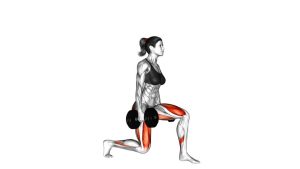
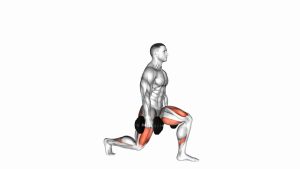
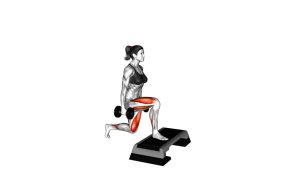
Dumbbell Squat: Safe Form, Muscles Worked, Sets, Tips & FAQ
Learn how to do the Dumbbell Squat with safe form, proper depth, muscle focus, sets by goal, common mistakes, FAQs, and equipment tips.
Dumbbell Squat
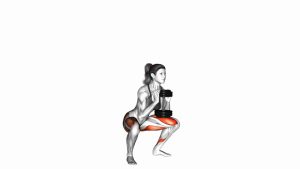
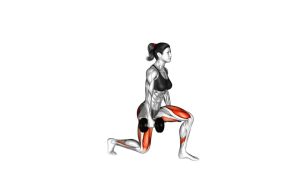
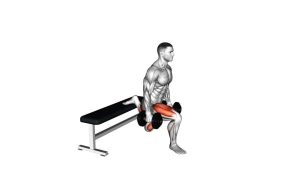
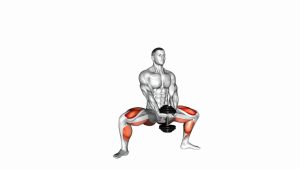
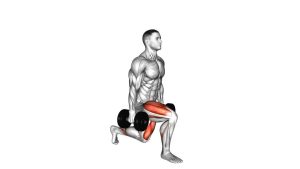
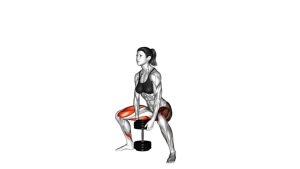
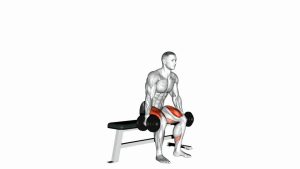
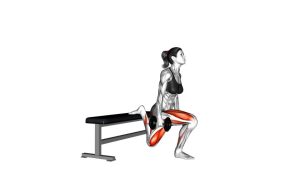
This exercise works best when the movement is smooth, controlled, and balanced through the full foot. Because the dumbbell is held in front of the body, the squat often becomes slightly more quad-focused while still requiring strong glute and core support. Keep the dumbbell close, brace your torso, and avoid letting the knees collapse inward as you move through each rep.
Quick Overview
| Body Part | Legs |
|---|---|
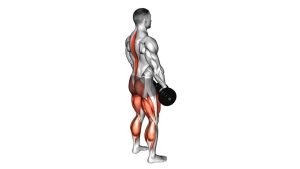
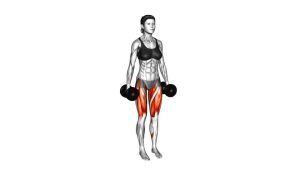
| Primary Muscle | Quadriceps |
| Secondary Muscle | Glutes, adductors, hamstrings, calves, and core stabilizers |
| Equipment | Dumbbell |
| Difficulty | Beginner to Intermediate |
Sets & Reps (By Goal)
- Technique practice: 2–3 sets × 8–10 reps with a light dumbbell and slow tempo.
- Muscle growth: 3–4 sets × 8–15 reps with controlled depth and steady tension.
- Strength foundation: 3–5 sets × 5–8 reps using a heavier dumbbell while keeping perfect form.
- Conditioning: 2–4 sets × 12–20 reps with moderate load and short rest periods.
Progression rule: Add reps first, then increase dumbbell weight gradually. Do not increase load if your knees cave inward, heels lift, or torso collapses forward.
Setup / Starting Position
- Choose your stance: Stand with feet about shoulder-width apart or slightly wider.
- Angle the toes: Turn the toes slightly outward so the knees can track comfortably over them.
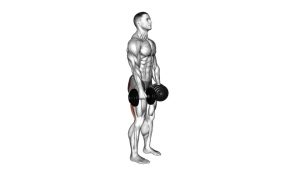
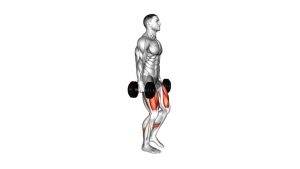
- Hold the dumbbell: Keep the dumbbell close to the front of the body, either goblet-style near the chest or hanging vertically between the legs depending on the variation.
- Brace your core: Keep the ribs stacked over the pelvis and avoid arching the lower back.
- Set your posture: Keep the chest lifted, shoulders relaxed, and eyes forward.
A stable starting position makes the squat easier to control. Before every rep, feel pressure through the heel, big toe, and little toe.
Execution (Step-by-Step)
- Start tall: Stand with the dumbbell secure, core braced, and feet fully planted.
- Break at the hips and knees: Begin the squat by bending the knees and hips together instead of only pushing the knees forward.
- Lower under control: Descend smoothly while keeping the dumbbell close and the torso stable.
- Track the knees: Let the knees move in the same direction as the toes without collapsing inward.
- Reach your working depth: Lower until the thighs are near parallel or slightly below, as long as the spine stays neutral and heels stay down.
- Drive through the floor: Push through the mid-foot and heel to stand up.
- Finish tall: Extend the hips and knees fully without leaning back or locking out aggressively.
Pro Tips & Common Mistakes
- Keep the dumbbell close: A far-away dumbbell increases forward pull and can stress the lower back.
- Do not relax at the bottom: Stay active instead of sitting passively into the deepest position.
- Control the knees: Push the knees gently out so they stay aligned with the toes.
- Use full-foot pressure: Avoid lifting the heels or rolling onto the inside edges of the feet.
- Do not rush the descent: A controlled lowering phase improves balance, muscle tension, and joint position.
- Avoid excessive forward lean: Some torso angle is normal, but the chest should not collapse toward the floor.
- Choose depth you can own: Squat as deep as your mobility allows while keeping your spine neutral and feet stable.
FAQ
What muscles does the dumbbell squat work?
The dumbbell squat mainly works the quadriceps. It also trains the glutes, adductors, hamstrings, calves, and core stabilizers.
Is the dumbbell squat good for beginners?
Yes. The dumbbell squat is beginner-friendly because the load is easier to control than a barbell. Start light, move slowly, and focus on depth, knee tracking, and balance before increasing weight.
Should I hold the dumbbell at my chest or between my legs?
Both options work. Holding the dumbbell at the chest is commonly called a goblet squat and helps keep the torso upright. Holding it lower between the legs can feel more natural for some lifters, but the dumbbell must stay close and stable.
How deep should I squat?
Squat to the deepest range you can control while keeping your heels down, knees aligned, and spine neutral. For many people, this is around parallel or slightly below parallel.
Why do my knees move forward during dumbbell squats?
Some forward knee travel is normal and often necessary, especially in a quad-focused squat. The key is to keep the knees tracking in line with the toes and avoid inward collapse.
Recommended Equipment
- Adjustable Dumbbell — useful for progressive overload and multiple lower-body exercises.
- Hex Dumbbell — stable, durable, and easy to hold for squat variations.
- Weightlifting Shoes — can improve squat stability and help with upright posture.
- Exercise Mat — provides floor protection and a clear training area.
- Resistance Bands for Legs — helpful for warm-ups, glute activation, and knee-tracking practice.
Tip: Choose equipment that supports better control, not just heavier loading. The best squat progress comes from stable reps, clean alignment, and consistent training.