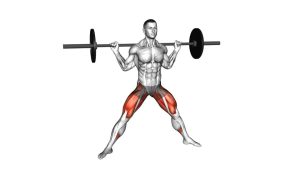
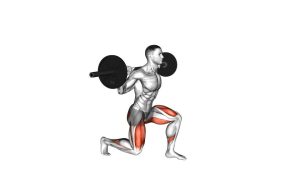
Dumbbell Rear Lunge: Proper Form, Muscles Worked, Sets & Tips
Learn the Dumbbell Rear Lunge for stronger legs, glutes, balance, and control. Step-by-step form, sets, mistakes, FAQs, and gear tips.
Dumbbell Rear Lunge
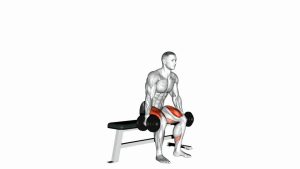
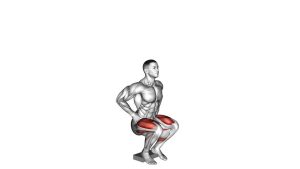
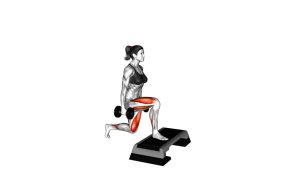
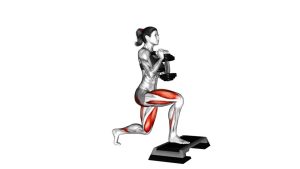
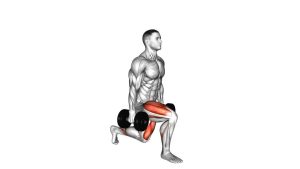
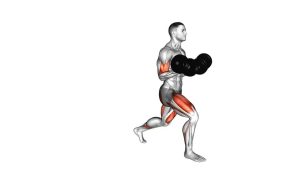
This exercise is excellent for building leg strength, improving balance, and developing better left-to-right control. Because the step moves backward instead of forward, many lifters find the rear lunge easier on the knees than a forward lunge. Keep the movement smooth, avoid bouncing at the bottom, and focus on using the front leg as the main working side.
Quick Overview
| Body Part | Legs |
|---|---|
| Primary Muscle | Quadriceps and gluteus maximus |
| Secondary Muscle | Hamstrings, adductors, calves, glute medius, and core stabilizers |
| Equipment | Pair of dumbbells |
| Difficulty | Beginner to intermediate |
Sets & Reps (By Goal)
- Strength: 3–5 sets × 5–8 reps per leg using heavier dumbbells and full control.
- Muscle growth: 3–4 sets × 8–12 reps per leg with a slow lowering phase.
- Balance and control: 2–3 sets × 10–15 reps per leg using moderate or light weight.
- Beginner practice: 2–3 sets × 6–10 reps per leg with bodyweight or light dumbbells.
Progression rule: Add reps first, then increase dumbbell weight only when your front foot stays planted, your knee tracks cleanly, and your torso remains stable throughout every rep.
Setup / Starting Position
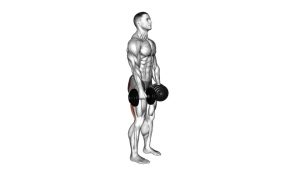
- Stand tall: Place your feet about hip-width apart with your toes pointing forward.
- Hold the dumbbells: Keep one dumbbell in each hand with your arms straight at your sides.
- Brace your core: Keep your ribs stacked over your pelvis and avoid arching your lower back.
- Set your shoulders: Keep your shoulders relaxed and slightly pulled back without shrugging.
- Look forward: Keep your head neutral and eyes straight ahead to improve balance.
Tip: Start with a shorter step if balance is difficult. As your control improves, use a consistent backward step length that lets both knees bend comfortably.
Execution (Step-by-Step)
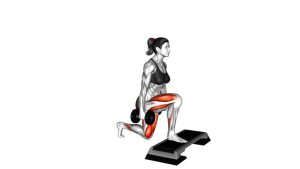
- Step one leg backward: Move one foot behind you while keeping the front foot firmly planted.
- Lower under control: Bend both knees and allow the back knee to travel toward the floor.
- Keep the torso tall: Maintain a neutral spine and avoid leaning excessively forward.
- Track the front knee: Keep the front knee aligned with the toes instead of letting it cave inward.
- Pause briefly: Stop near the bottom with control, without bouncing or resting the back knee hard on the floor.
- Drive through the front foot: Push through the front heel and midfoot to return to standing.
- Reset before the next rep: Bring the back foot forward, regain balance, then repeat on the same side or alternate legs.
Pro Tips & Common Mistakes
- Use the front leg as the driver: The back leg helps with balance, but the front leg should do most of the work.
- Avoid pushing off too much from the back foot: Excessive back-leg push reduces glute and quad demand on the front leg.
- Do not let the front knee collapse inward: Keep the knee tracking in line with the second and third toes.
- Control the descent: Dropping quickly makes the exercise less effective and increases balance demands.
- Keep the front heel down: If the heel lifts, shorten the step or reduce the load.
- Maintain a tall chest: A slight forward lean is acceptable, but avoid rounding the back.
- Use equal reps per side: Train both legs evenly to build balanced strength and coordination.
FAQ
What muscles does the dumbbell rear lunge work?
The dumbbell rear lunge mainly works the quadriceps and glutes. It also trains the hamstrings, adductors, calves, core, and hip stabilizers.
Is the rear lunge the same as the reverse lunge?
Yes. The dumbbell rear lunge and dumbbell reverse lunge usually describe the same movement: stepping backward into a lunge and returning to the starting position.
Is the dumbbell rear lunge good for glutes?
Yes. To make it more glute-focused, use a controlled step back, keep the front foot planted, and drive through the heel and midfoot as you stand up.
Should I alternate legs or do one side at a time?
Both options work. Alternating reps are useful for coordination and conditioning, while completing all reps on one side can create more muscle tension and help you focus on technique.
Why do I lose balance during rear lunges?
Balance issues usually come from stepping too narrow, using too much weight, rushing the descent, or not bracing the core. Use lighter dumbbells and step back slightly wider if needed.
Recommended Equipment
- Adjustable Dumbbells — ideal for progressing rear lunges without needing many separate dumbbell pairs
- Rubber Hex Dumbbells — stable, durable dumbbells for lower-body strength training
- Non-Slip Exercise Mat — helps improve foot grip and comfort during home workouts
- Ankle Support Brace — optional support for lifters who need extra ankle stability
- Weightlifting Shoes — firm footwear that can improve stability during loaded lunges
Tip: Choose equipment that helps you stay stable and controlled. Rear lunges reward clean movement, not excessive loading.