Cable-Assisted Inverse Leg Curl: Form, Benefits, Sets & Hamstring Tips
Learn the Cable-Assisted Inverse Leg Curl for stronger hamstrings, safer Nordic-style control, better knee stability, and full step-by-step form.
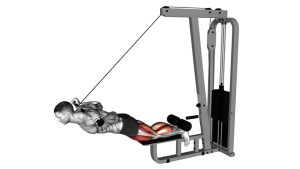
Cable-Assisted Inverse Leg Curl
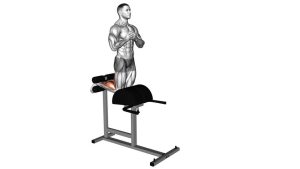
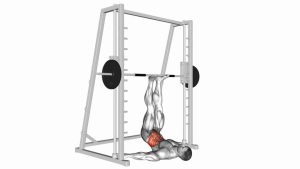
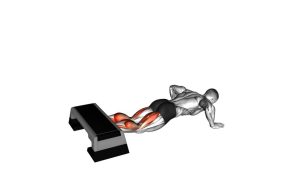
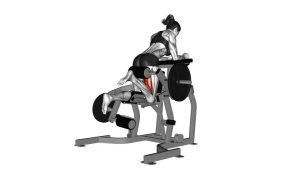
This movement is best performed with slow control, a rigid torso, and full hip extension. The goal is not to hinge at the hips or collapse forward. Instead, the athlete keeps the body in one long line from shoulders to knees while the hamstrings resist the forward lean.
Quick Overview
| Body Part | Hamstrings |
|---|---|
| Primary Muscle | Hamstrings — biceps femoris, semitendinosus, semimembranosus |
| Secondary Muscle | Glutes, calves, spinal erectors, core stabilizers |
| Equipment | Cable machine, rope or handles, knee pad, ankle/foot anchor or secured leg curl station |
| Difficulty | Advanced |
Sets & Reps (By Goal)
- Strength control: 3–5 sets × 3–6 slow reps
- Eccentric hamstring development: 3–4 sets × 4–8 reps with a 3–5 second lowering phase
- Injury-prevention accessory work: 2–3 sets × 5–8 controlled reps
- Technique practice: 2–3 sets × 3–5 partial-range reps with high assistance
Progression rule: First improve control and range of motion. Then reduce cable assistance gradually. Do not rush toward unassisted Nordic curls until every rep stays smooth and pain-free.
Setup / Starting Position
- Set the anchor: Secure your ankles or lower legs under a stable pad so the knees can act as the main pivot point.
- Attach the cable: Use a rope, handles, or strap attachment from a cable station positioned behind or slightly above your torso.
- Kneel on padding: Place both knees on a comfortable pad to reduce pressure and improve control.
- Hold the cable handles: Keep the handles close to your chest, shoulders, or upper torso depending on the cable angle.
- Set your body line: Squeeze the glutes, brace the core, keep the ribs down, and create a straight line from shoulders to knees.
- Start tall: Begin upright with hips extended and eyes looking slightly forward, not down.
Execution (Step-by-Step)
- Brace before moving: Tighten your core and glutes so the hips do not fold as you descend.
- Lean forward from the knees: Slowly allow your body to travel forward while keeping the torso and thighs aligned.
- Control the eccentric phase: Let the hamstrings resist the forward lean for 3–5 seconds.
- Use the cable as assistance: Allow the cable to help you control the hardest part instead of dropping quickly.
- Maintain hip extension: Do not sit the hips back or turn the movement into a hinge.
- Reach your safe range: Stop before you lose control, feel strain, or break body alignment.
- Return to upright: Pull gently through the hamstrings while the cable helps guide you back to the starting position.
- Reset each rep: Re-brace, re-stack your posture, and repeat with the same slow tempo.
Pro Tips & Common Mistakes
- Keep the hips locked: Squeeze the glutes to prevent the hips from drifting backward.
- Lower slowly: A fast drop removes tension and increases injury risk.
- Use enough assistance: The cable should help you control the full range, not just save you at the bottom.
- Avoid lower-back arching: Keep the ribs down and the core braced.
- Do not chase maximum depth too early: Partial reps are useful when strength is still developing.
- Keep the knees comfortable: Use thick padding and avoid hard surfaces.
- Progress slowly: Reduce assistance only when your tempo and alignment stay consistent.
FAQ
Is the Cable-Assisted Inverse Leg Curl the same as a Nordic curl?
It uses the same knee-dominant hamstring pattern as a Nordic curl, but the cable provides assistance. This makes the movement more scalable and easier to control than a full bodyweight Nordic curl.
Where should I feel this exercise?
You should feel strong tension through the hamstrings, especially during the lowering phase. You may also feel the glutes and core working to keep your hips extended and your torso stable.
Is this exercise good for hamstring injury prevention?
Yes, it can be useful because it trains eccentric hamstring strength. However, it should be progressed gradually and performed with clean control, especially if you have a history of hamstring strains.
Can beginners do this exercise?
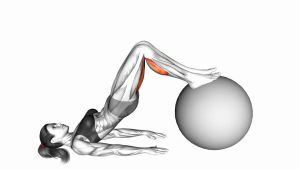
Most beginners should start with easier hamstring exercises first, such as stability ball leg curls, machine leg curls, hip bridges, or assisted partial-range Nordic curls. This variation is better for intermediate to advanced trainees.
What is the biggest mistake?
The most common mistake is bending at the hips. The body should move as one long unit from shoulders to knees. If the hips fold, reduce the range or increase cable assistance.
Recommended Equipment
- Cable Machine Handles — useful for holding steady assistance during the forward lean.
- Triceps Rope Cable Attachment — comfortable option for assisted Nordic-style cable work.
- Thick Knee Exercise Pad — protects the knees during kneeling hamstring exercises.
- Nordic Hamstring Curl Strap — helps secure the feet when a machine anchor is not available.
- Cable Ankle Straps — useful for cable-machine lower-body setups and accessory work.
Choose equipment that keeps your lower legs secure and your knees comfortable. Stable anchoring is essential for safe execution.