Dumbbell Step-Up with Biceps Curl: Form, Muscles & Tips
Learn the dumbbell step-up with biceps curl for stronger legs, glutes, and arms. Follow safe form, curl timing, sets by goal, common mistakes, and FAQs.
Dumbbell Step-Up with Biceps Curl
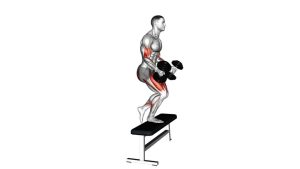
The Dumbbell Step-Up with Biceps Curl develops functional lower-body strength while adding direct arm training. Unlike a standard step-up, this variation requires coordination between the legs and arms. Consequently, your core and hip stabilizers must work to maintain balance while the dumbbells move.
Each repetition begins with one foot supported on a stable platform. The working leg then extends at the hip and knee to lift your body. Once you reach a balanced standing position, both elbows bend to bring the dumbbells toward your shoulders. Afterward, the weights lower as you prepare to return to the starting stance.
Because two movements are combined, controlled technique matters more than heavy weight. Start with a manageable platform height and light dumbbells. Furthermore, learn the basic step-up and standing biceps curl separately before combining them.
Quick Overview
| Body Part | Legs (with secondary arm involvement) |
|---|---|
| Primary Muscle | Quadriceps and gluteus maximus |
| Secondary Muscle | Biceps brachii, brachialis, brachioradialis, hamstrings, gluteus medius, calves, and core stabilizers |
| Equipment | Two dumbbells and a sturdy elevated step platform, exercise box, or stable bench |
| Difficulty | Intermediate (requires unilateral leg strength, balance, and coordinated arm movement) |
Sets & Reps (By Goal)
Your training goal determines the appropriate weight, repetitions, and recovery periods. However, the dumbbells should never be so heavy that they compromise the step-up. Therefore, select a load you can curl without swinging or leaning backward.
- Strength: 3–4 sets × 5–8 reps per leg, using controlled moderate resistance and 90–120 seconds of rest. Prioritize a powerful but smooth step-up without pushing aggressively from the trailing leg.
- Hypertrophy: 3–4 sets × 8–12 reps per leg, resting 60–90 seconds. Use a manageable dumbbell weight that allows full elbow control and consistent leg engagement.
- Endurance: 2–3 sets × 12–15 reps per leg with light dumbbells and 45–75 seconds of rest. Maintain steady breathing and a deliberate rhythm throughout.
- Mobility and coordination: 2–3 sets × 6–10 reps per leg with very light dumbbells or bodyweight. Emphasize balance, comfortable joint movement, and precise timing.
- Rehab-style control: If cleared by a qualified professional, begin with 1–2 sets × 5–8 slow reps per leg using a low step. Perform the curl separately or omit it when necessary.
Progression and Load Selection
Begin with a lower platform and lighter dumbbells. Once every repetition feels stable, gradually increase repetitions or resistance. Alternatively, slow the lowering phase to improve control without adding weight.
Progression rule: Master the bodyweight step-up first. Next, add light dumbbells and practice the curl near the top. Increase difficulty only when your working knee, torso, and balance remain controlled. Count each complete step-up and curl as one repetition for the lead leg.
Setup / Starting Position
Platform Height and Foot Placement
Proper setup helps distribute force through the working leg. Moreover, it reduces unnecessary balance adjustments when the dumbbells move.
- Choose a stable elevated surface: Position a secure step platform or exercise box on a flat floor. Select a height that allows you to step upward without excessive hip shifting or knee discomfort.
- Stand directly in front: Face the platform with your feet approximately hip-width apart. Keep your torso upright, chest comfortably lifted, and shoulders relaxed.
- Hold two dumbbells: Place one dumbbell in each hand with your arms extended beside your body. Start with a neutral or slightly forward-facing hand position.
- Place your lead foot on the platform: Lift one foot and position the entire sole securely on top. Keep the opposite foot on the floor behind you.
- Align the working knee: Point the knee in the same general direction as the toes. Avoid allowing it to collapse inward or rotate excessively.
- Engage your core: Gently brace your abdominal muscles and maintain a neutral spine. Meanwhile, keep your head aligned with your torso.
- Prepare your arms: Keep the dumbbells steady beside your thighs. Your elbows should remain close to your ribs without excessive shoulder tension.
Final Starting-Position Check
Before moving, confirm that your elevated foot is fully supported and the platform does not shift. In addition, distribute your weight securely without leaning excessively forward. The trailing leg should remain available for balance rather than supplying the majority of the upward force.
Setup tip: Practice several step-ups without dumbbells if the starting position feels unstable. After your balance improves, introduce light resistance and gradually coordinate the curl.
Execution (Step-by-Step)
Step-Up and Biceps Curl Sequence
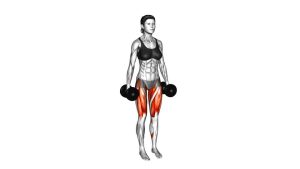
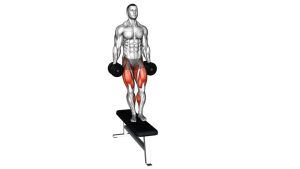
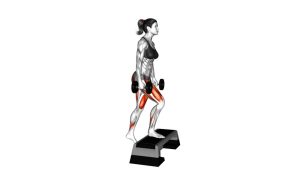
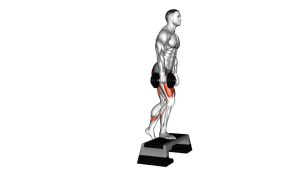
The movement shown in the video begins with the step-up. The bilateral biceps curl follows near the elevated standing position. Therefore, focus on completing each phase smoothly instead of rushing both movements together.
- Establish your balance: Begin with one foot securely on the platform and the opposite foot on the floor. Hold both dumbbells beside your body with your arms relaxed.
- Transfer weight onto the elevated leg: Shift your body weight toward the lead foot while maintaining a neutral spine. Keep the working knee aligned with the toes.
- Drive your body upward: Press through the midfoot and heel of the elevated foot. As the quadriceps and glutes contract, extend the working knee and hip to lift your body.
- Bring the trailing leg upward: Allow the opposite foot to rise from the floor as your body approaches the top. Avoid jumping or using excessive momentum from the lower leg.
- Reach a stable standing position: Stand tall on the platform with your shoulders level and core engaged. Meanwhile, keep the dumbbells close to your sides until you are ready to curl.
- Perform the bilateral biceps curl: Bend both elbows to raise the dumbbells toward shoulder height. As the weights rise, rotate your palms upward if using a supinated curl. Keep your elbows relatively close to your torso.
- Control the upper position: Briefly contract your biceps without throwing your shoulders backward. Avoid leaning, twisting, or swinging the weights to complete the repetition.
- Lower the dumbbells: Gradually extend your elbows and return the weights toward your sides. Maintain balance as you prepare for the downward step.
- Step back down: Bend the working knee and hip under control while lowering the opposite foot toward the floor. Allow the leading leg to manage most of the descent.
- Reset and repeat: Return to the original staggered starting position with both dumbbells beside your thighs. Complete the prescribed repetitions before switching lead legs, or alternate sides carefully.
Breathing and Movement Tempo
Inhale before initiating the step-up. Next, exhale naturally during the upward effort. Continue breathing throughout the curl rather than holding your breath unnecessarily.
For beginners, a controlled rhythm is preferable to speed. Use approximately two seconds to step upward, one to two seconds for the curl, and two to three seconds to lower back down. However, always adjust the tempo to maintain balance.
Pro Tips & Common Mistakes
Technique Tips for Better Results
- Choose the right platform height: A lower step makes balance easier and encourages controlled movement. Therefore, increase height only when your hip and knee alignment remain stable.
- Keep your entire foot supported: Avoid placing only the toes or front half of the foot on the platform. Full-foot contact provides a more secure base for lifting.
- Drive through the lead leg: Focus on extending the working hip and knee. Meanwhile, minimize the push from the trailing foot to maintain unilateral loading.
- Maintain an upright torso: A slight forward lean may occur naturally during the step-up. However, excessive bending or rounding can disrupt your balance and lifting mechanics.
- Keep the knees aligned: Track the lead knee in the direction of the toes. If it repeatedly collapses inward, reduce the platform height or dumbbell weight.
- Curl after establishing balance: Complete most of the upward movement before lifting the dumbbells. Consequently, your legs can generate force without unnecessary arm movement.
Common Mistakes to Avoid
- Using excessive dumbbell weight: Heavy resistance can cause swinging, shoulder compensation, or loss of balance. Instead, choose a weight that allows smooth curls and stable steps.
- Rushing the lowering phase: Dropping quickly from the platform reduces control. Therefore, lower your body deliberately and place the trailing foot gently on the floor.
- Leaning backward during the curl: Avoid arching your lower back to lift the dumbbells. Keep your ribs stacked over your pelvis and your elbows relatively stationary.
- Swinging the elbows forward: Excessive shoulder movement can shift tension away from the elbow flexors. Instead, keep the upper arms controlled throughout the curl.
- Ignoring the weaker leg: One side may have less balance or strength. Consequently, begin with your weaker side and match the repetitions on the stronger side.
- Holding your breath unnecessarily: Breath-holding may increase unwanted tension during longer sets. Therefore, use comfortable, consistent breathing throughout each repetition.
Improving Balance and Coordination
If coordination becomes difficult, separate the step-up and curl temporarily. First, practice controlled step-ups with your arms at your sides. Next, perform standing biceps curls on the floor. Once both movements feel comfortable, combine them using light dumbbells.
Additionally, avoid training to complete exhaustion on an elevated platform. Quality repetitions help maintain consistent knee tracking, grip control, and safe foot placement.
FAQ
Muscles Worked and Exercise Technique
What muscles does the Dumbbell Step-Up with Biceps Curl work?
The exercise primarily trains the quadriceps and gluteus maximus during the upward step. Meanwhile, the curl directly activates the biceps brachii, brachialis, and brachioradialis. Additionally, your hamstrings, calves, gluteus medius, and abdominal stabilizers assist with balance and control. Therefore, this exercise combines unilateral leg strengthening with direct arm training.
Should I curl the dumbbells while stepping up or after reaching the top?
For the variation demonstrated in the video, the curl begins near the top of the step-up. First, press through the elevated foot and raise your body. Next, establish a secure standing position before bending both elbows. This sequence reduces unnecessary movement while you are balancing. Afterward, lower the weights with control before completing the downward step.
Is the Dumbbell Step-Up with Biceps Curl suitable for beginners?
The combined exercise is generally more appropriate for intermediate trainees because it requires balance, leg strength, and coordination. However, beginners can progress toward it gradually. Start with bodyweight step-ups on a low platform. Then, learn standing biceps curls separately. Once both movements are comfortable, introduce light dumbbells and combine them without rushing.
Training Frequency, Safety, and Progression
How often should I perform Dumbbell Step-Ups with Biceps Curls?
Most healthy trainees can include this exercise in a structured workout one to three times per week, depending on overall training volume. For example, it can complement a full-body workout or a lower-body session with additional arm training. However, recovery needs vary. Allow sufficient recovery between demanding sessions, especially when using heavier dumbbells or performing high-repetition sets.
How can I make the Dumbbell Step-Up with Biceps Curl easier or harder?
To make the exercise easier, use a lower platform, lighter dumbbells, or fewer repetitions. Alternatively, practice each movement separately until your balance improves. To increase difficulty, gradually add resistance, increase repetitions, or slow the lowering phase. However, do not increase several variables simultaneously. Always prioritize stable foot placement, controlled knee alignment, and smooth curling technique over additional weight.
Recommended Equipment
- Adjustable Dumbbell Set — allows gradual resistance adjustments for both the step-up and biceps curl while accommodating different strength levels
- Non-Slip Aerobic Step Platform — provides a stable elevated surface with adjustable height options for controlled step-up training
- Plyometric Step-Up Box — offers a sturdy platform for unilateral lower-body exercises, balance development, and progressive training
- Weightlifting Gloves with Grip Support — may improve grip comfort when holding dumbbells during repeated step-ups and controlled curls
- Non-Slip Rubber Gym Floor Mat — provides a durable training surface and helps reduce unwanted equipment movement on suitable flooring
Tip: Prioritize a stable platform, appropriate dumbbell resistance, and secure footwear. Additionally, confirm that your training surface does not slide or shift. Expensive equipment is unnecessary when basic equipment provides adequate stability and allows controlled progression.