Smith Machine Chair Squat: Form, Benefits, Sets, Tips & FAQ
Learn the Smith Machine Chair Squat for glutes, quads, and controlled squat depth with proper form, sets, mistakes, FAQs, and equipment tips.
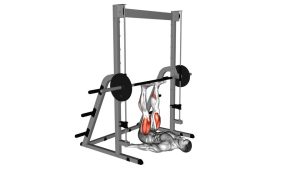
Smith Machine Chair Squat
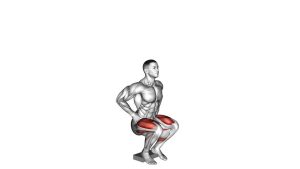
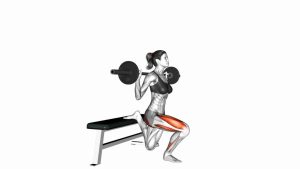
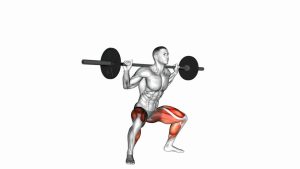
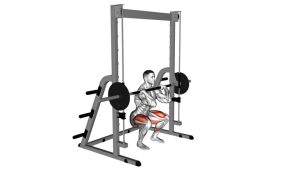
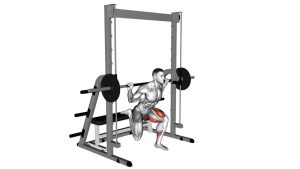
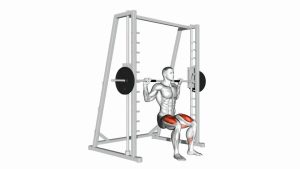
This exercise is best performed with a slow, controlled descent and a light touch on the chair. The goal is not to fully sit down and relax. Instead, the chair works as a depth target, helping you control the bottom position while keeping tension through the legs and hips. Because the Smith machine controls the bar path, you can focus more on foot placement, hip movement, knee tracking, and smooth tempo.
Quick Overview
| Body Part | Legs |
|---|---|
| Primary Muscle | Glutes and quadriceps |
| Secondary Muscle | Hamstrings, adductors, calves, and core stabilizers |
| Equipment | Smith machine and chair, bench, or box |
| Difficulty | Beginner to intermediate |
Sets & Reps (By Goal)
- Beginner technique: 2–3 sets × 8–10 reps with light weight and slow control.
- Glute activation: 3–4 sets × 10–12 reps with feet slightly forward and a controlled chair touch.
- Muscle building: 3–5 sets × 8–12 reps using moderate load and full tension.
- Strength focus: 4–5 sets × 5–8 reps with heavier weight, only if form stays stable.
- Warm-up patterning: 1–2 sets × 10–15 reps before heavier leg training.
Progression rule: First improve control, depth, and knee tracking. Add weight only when every rep touches the chair lightly without collapsing or bouncing.
Setup / Starting Position
- Set the chair: Place a sturdy chair, bench, or box behind you at a height that allows a safe squat depth.
- Position the Smith bar: Set the bar around upper-chest height so you can unrack it safely.
- Place the bar correctly: Rest the bar across your upper traps, not directly on your neck.
- Set your feet: Step your feet slightly forward from the bar path. Use a shoulder-width stance or slightly wider.
- Brace your body: Keep your chest lifted, ribs controlled, core tight, and eyes forward.
- Unlock the bar: Rotate the bar out of the hooks and stand tall before beginning the rep.
Tip: A slightly forward foot position usually increases glute involvement. A closer foot position usually makes the movement more quad dominant.
Execution (Step-by-Step)
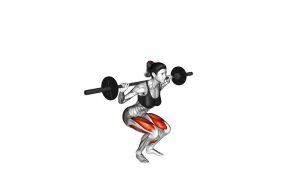
- Start tall: Stand with the bar secured across your upper back, core braced, and feet planted firmly.
- Push the hips back: Begin the squat by sending your hips backward toward the chair.
- Bend the knees naturally: Let your knees bend as you descend, keeping them in line with your toes.
- Control the descent: Lower slowly until your glutes lightly touch the chair or bench.
- Keep tension: Do not sit fully, relax, or bounce. Maintain tightness through your legs and core.
- Drive upward: Push through your mid-foot and heels to stand back up.
- Finish strong: Extend your hips and knees at the top without leaning backward or over-locking the knees.
Pro Tips & Common Mistakes
- Use the chair as a target: Lightly touch it, then drive back up with control.
- Avoid bouncing: Bouncing off the chair removes tension and can irritate the knees or lower back.
- Keep knees tracking well: Your knees should follow the same direction as your toes.
- Do not round your lower back: Keep your spine neutral and core braced throughout the rep.
- Control your tempo: Use a 2–3 second descent to improve stability and muscle tension.
- Choose the right chair height: Too low may cause form breakdown; too high may reduce training effect.
- Do not let the feet slide: Keep the whole foot planted and stable from start to finish.
- Adjust foot placement for your goal: Feet slightly forward for more glutes, closer for more quads.
FAQ
What muscles does the Smith Machine Chair Squat work?
The Smith Machine Chair Squat mainly works the glutes and quadriceps. It also trains the hamstrings, adductors, calves, and core because these muscles help stabilize the squat pattern.
Is the Smith Machine Chair Squat good for beginners?
Yes. It is a beginner-friendly squat variation because the Smith machine provides a fixed bar path and the chair gives a clear depth target. This makes it easier to learn controlled squatting before moving to harder variations.
Should I fully sit on the chair?
No. For most training goals, you should lightly touch the chair and stand back up without relaxing. Fully sitting down removes tension and changes the exercise into more of a sit-to-stand movement.
Is this exercise better for glutes or quads?
It can train both. If your feet are slightly forward and you sit the hips back, it usually feels more glute focused. If your feet are closer under the body and your knees bend more, it usually feels more quad focused.
How heavy should I go on this exercise?
Start light until your depth, balance, and knee tracking are consistent. Add weight gradually only when you can touch the chair softly, maintain control, and stand up without leaning, bouncing, or losing posture.
Can I use a bench instead of a chair?
Yes. A flat bench, box, or sturdy chair can work. The most important factor is height. Choose a surface that allows safe depth while keeping your spine neutral and your knees stable.
Recommended Equipment
- Smith Machine — the main machine used for guided barbell squats and controlled lower-body training
- Adjustable Workout Bench — useful as a stable depth target for chair squats, box squats, and step exercises
- Barbell Squat Pad — adds comfort when the Smith bar rests across the upper back
- Weightlifting Belt — optional support for heavier sets when bracing and technique are already solid
- Glute Resistance Bands — helpful for warm-ups, glute activation, and improving knee tracking awareness
Tip: Equipment should improve control, not hide poor form. Keep the load manageable and prioritize clean reps before increasing weight.