Cable Seated Single-Leg Extension: Proper Form & Tips
Learn the Cable Seated Single-Leg Extension for stronger quads. Discover setup, step-by-step form, sets by goal, common mistakes, FAQs, and training equipment.
Cable Seated Single-Leg Extension
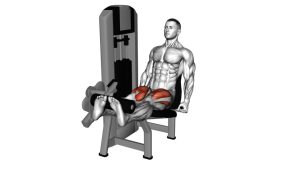
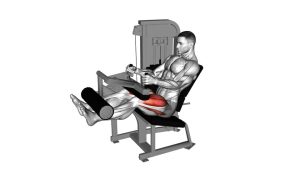
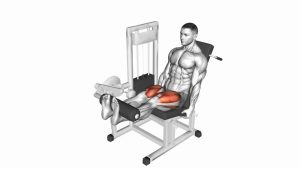
The Cable Seated Single-Leg Extension emphasizes controlled quadriceps contraction while reducing unnecessary movement through the hips and torso. Unlike compound leg exercises, this isolation movement focuses mainly on extending the knee rather than simultaneously extending the hips.
Because the legs work individually, the exercise can help identify differences in strength and coordination between sides. Additionally, the seated position and hand support allow you to concentrate on a smooth, repeatable movement. However, appropriate resistance and positioning remain essential for maintaining comfortable knee mechanics.
During each repetition, the lower leg travels forward from a bent-knee position until it approaches a straight alignment. Then, the quadriceps control the return as the knee bends. Throughout the movement, the upper body should remain relatively still while the working thigh stays supported.
Quick Overview
| Body Part | Legs |
|---|---|
| Primary Muscle | Quadriceps femoris: rectus femoris, vastus lateralis, vastus medialis, and vastus intermedius |
| Secondary Muscle | Hip stabilizers and core stabilizers provide supplementary support for seated positioning |
| Equipment | Cable machine with low pulley, padded ankle strap, and stable seated exercise bench |
| Difficulty | Beginner to Intermediate, depending on resistance, cable setup, and knee-extension control |
Sets & Reps (By Goal)
- Strength: 3–4 sets × 6–10 reps per leg. Choose a challenging but manageable resistance and maintain controlled movement throughout each repetition. Rest approximately 90–120 seconds between sets.
- Hypertrophy: 3–4 sets × 10–15 reps per leg. Use a smooth lifting phase followed by a slower, controlled lowering phase. Additionally, emphasize consistent quadriceps tension without swinging the leg. Rest approximately 60–90 seconds.
- Muscular endurance: 2–3 sets × 15–20 reps per leg. Select lighter resistance and prioritize consistent technique over fatigue. Meanwhile, maintain steady breathing and avoid rushing the final repetitions. Rest approximately 30–60 seconds.
- Mobility and movement control: 2–3 sets × 8–12 reps per leg. Use minimal resistance and move through a comfortable knee range. Therefore, focus on smooth extension, controlled bending, and consistent seated alignment.
- Rehab-style strengthening: 1–3 sets × 8–12 comfortable repetitions per leg, only when approved by a qualified rehabilitation professional. Start with very light resistance and an individually appropriate movement range. Progress gradually according to symptoms and professional guidance.
Progression rule: First establish smooth repetitions with stable hips and comfortable knee motion. Then increase repetitions or add a small amount of cable resistance. Avoid increasing the load when doing so causes swinging, sudden knee locking, or loss of controlled lowering.
Setup / Starting Position
Bench Position and Cable Alignment
- Prepare the cable machine: Set the pulley to its lowest appropriate position and select a light starting resistance. Ensure that the cable travels smoothly and that the weight stack moves freely.
- Position the exercise bench: Place a stable seated bench in front of the cable machine, with enough clearance for the working leg to extend. The cable should approach the working ankle from behind without contacting sharp or moving surfaces.
- Attach the ankle strap: Secure a padded cable cuff around the working ankle, following the attachment instructions. Before lifting, check the connection and confirm that the strap does not slide excessively during movement.
- Establish the seated position: Sit upright with your hips supported and your working thigh resting comfortably on the bench. Keep the knee bent and allow the lower leg to point downward toward the floor.
- Hold the front support: Grip the bench handles or stable front support with both hands. This provides additional stability and helps prevent unnecessary torso movement during knee extension.
- Prepare the working leg: Keep the nonworking leg comfortably positioned outside the moving cable path. Meanwhile, maintain relaxed shoulders, a neutral spine, and steady abdominal support before initiating the repetition.
Setup tip: Adjust the bench distance until the knee can extend comfortably without the foot striking the bench frame. Additionally, ensure that the cable maintains an appropriate pulling direction throughout the working range.
Execution (Step-by-Step)
Controlled Knee Extension
- Establish your starting position: Sit upright, grip the front support, and keep the working knee comfortably bent. Your thigh should remain supported while the lower leg hangs downward. Begin with light tension on the cable.
- Initiate the quadriceps contraction: Tighten the muscles along the front of the working thigh. Then begin straightening the knee, allowing the lower leg to travel forward against the cable resistance.
- Extend the lower leg smoothly: Continue lifting the foot forward and upward while keeping the thigh relatively stationary. Avoid swinging the hip or leaning backward to move the weight.
- Approach full knee extension: Straighten the working leg toward a comfortable near-horizontal position. However, do not forcefully snap or lock the knee at the end of the movement. Maintain controlled muscular tension instead.
- Control the extended position: Briefly stabilize the leg while keeping your pelvis and torso steady. Continue breathing naturally rather than holding your breath unnecessarily.
- Lower the leg slowly: Gradually bend the working knee as the cable pulls the lower leg backward. Resist this movement with the quadriceps instead of allowing the weight stack to drop.
- Return and repeat: Continue lowering until you reach the comfortable starting knee angle. Then begin the next repetition without bouncing or relaxing abruptly. Complete the planned repetitions before changing legs.
Breathing tip: Exhale naturally while extending the knee and inhale during the controlled return. Additionally, maintain consistent movement speed so that the cable resistance stays manageable throughout each repetition.
Pro Tips & Common Mistakes
Technique and Muscle Control
- Keep the working thigh stable: The movement should come primarily from straightening the knee. Excessive hip movement changes the exercise mechanics and reduces consistency between repetitions.
- Avoid swinging the lower leg: Using momentum makes the repetition harder to control. Instead, raise the foot smoothly and concentrate on the quadriceps producing the movement.
- Do not force knee lockout: Straighten the leg only as far as you can comfortably control. Furthermore, avoid snapping the knee into its final position under heavy resistance.
- Control the lowering phase: The quadriceps work while the knee bends against the cable resistance. Therefore, allow approximately two to three seconds for the return rather than dropping the lower leg suddenly.
- Keep your torso upright: Avoid leaning backward or pulling excessively on the support handles. Instead, use the handles for stability while maintaining a natural seated posture.
- Check the ankle strap: A loose attachment can slide or rotate during the repetition. Consequently, secure the cuff before beginning and stop to readjust it whenever necessary.
- Choose appropriate resistance: Excessive weight often encourages compensating movements and rushed repetitions. Start lighter, develop a repeatable technique, and increase resistance gradually.
- Train both legs consistently: Complete a similar number of controlled repetitions on each side. However, do not force the weaker leg to match a resistance that causes poor technique or discomfort.
- Maintain steady breathing: Avoid unnecessary breath-holding while extending the knee. Instead, coordinate breathing with each repetition and maintain comfortable abdominal stability.
Pro tip: Pair unilateral cable leg extensions with controlled compound exercises, such as squats or split squats, when appropriate for your training program. This approach allows you to develop isolated quadriceps control alongside broader lower-body strength.
FAQ
Muscles and Exercise Technique
What muscles does the Cable Seated Single-Leg Extension work?
The exercise primarily targets the quadriceps femoris, which includes the rectus femoris, vastus lateralis, vastus medialis, and vastus intermedius. These muscles work together to straighten the knee against cable resistance. Additionally, the hip and core stabilizers help maintain a steady seated position, although they are not the main movers.
Is the Cable Seated Single-Leg Extension suitable for beginners?
Yes, beginners can perform this exercise when the equipment is properly configured and resistance is manageable. However, the ankle attachment and cable alignment require careful setup. Start with a light load and practice smooth knee extension before increasing resistance. If the movement causes discomfort, stop and reassess your positioning.
How is this different from a traditional leg extension machine?
Both exercises primarily train the quadriceps through knee extension. However, a traditional leg extension machine usually provides a fixed seat, thigh support, and padded lower-leg lever. The cable variation instead uses an ankle attachment connected to a pulley. Consequently, cable angle, bench placement, and individual stabilization influence how the resistance feels throughout the movement.
Safety and Training Progression
Should I completely straighten my knee during each repetition?
You can approach full extension when the movement remains comfortable and controlled. However, avoid forcefully snapping the knee into lockout. The appropriate range depends on your knee tolerance, resistance, and individual mobility. Therefore, prioritize smooth movement rather than attempting to force the largest possible range.
How often should I perform Cable Seated Single-Leg Extensions?
Many training programs include quadriceps isolation work approximately two or three times per week, depending on overall exercise volume and recovery. For example, you might perform the movement after compound lower-body exercises. Additionally, allow sufficient recovery between demanding sessions and adjust resistance when fatigue affects technique.
Can this exercise help correct strength differences between legs?
Unilateral training allows each leg to work independently, which can help reveal differences in strength and movement control. Therefore, begin with a resistance that the weaker leg can manage comfortably. Match the stronger leg’s repetitions to that controlled performance rather than forcing extra weight. Persistent or significant weakness should be assessed professionally.
Recommended Equipment
- Padded Cable Machine Ankle Straps — secure around the working ankle and connect to the low pulley, allowing controlled single-leg extension against cable resistance
- Functional Trainer Cable Machine — provides adjustable low-pulley resistance for seated knee extensions and other cable-based strength exercises
- Adjustable Weight Bench — offers a stable seated surface for supported quadriceps training; choose a model compatible with the required cable position and leg clearance
- Heavy-Duty Cable Attachment Carabiner Clips — connect compatible ankle straps to cable equipment; select attachments that meet the machine manufacturer’s compatibility and load requirements
- Non-Slip Gym Equipment Floor Mat — helps protect flooring and can provide a suitable surface beneath compatible exercise equipment when installed according to manufacturer recommendations
Equipment tip: The cable machine, ankle attachment, and stable seating arrangement are the essential components. Additionally, verify equipment compatibility, maintain adequate cable clearance, and inspect straps and connectors before each training session.