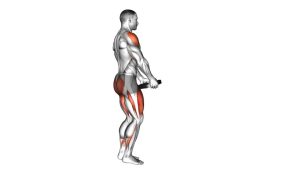
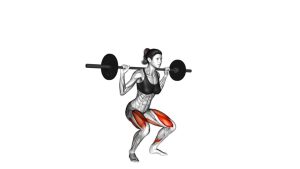
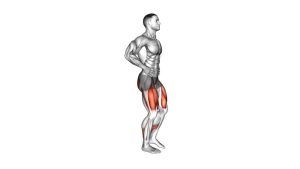
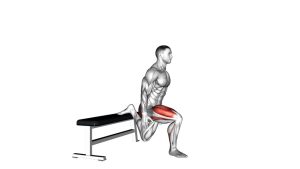
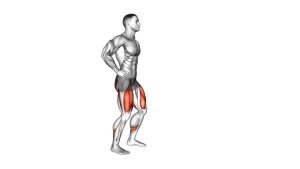
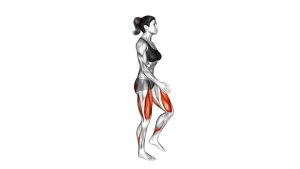
Barbell Bench Lateral Step-Up: Proper Form, Muscles & Tips
Learn the Barbell Bench Lateral Step-Up with proper form, muscles worked, sets by goal, balance tips, common mistakes, and safer platform choices.
Barbell Bench Lateral Step-Up
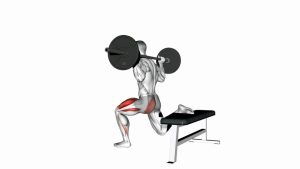
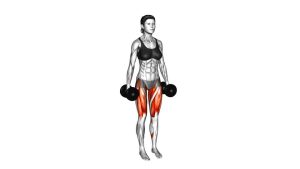
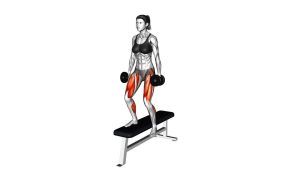
The Barbell Bench Lateral Step-Up combines resistance training with controlled single-leg movement. During the lifting phase, the supporting leg extends the knee and hip to raise the body. Meanwhile, the gluteus medius and other stabilizers help control pelvic position as the free leg follows. Because the barbell adds resistance above the center of mass, maintaining balance becomes especially important.
Furthermore, the lateral setup creates a useful challenge for lower-body coordination and hip stability. However, the movement requires more balance and technical control than ordinary bodyweight step-ups. Therefore, athletes should first develop reliable step-up technique on a lower, stable platform before progressing to a back-loaded barbell.
Quick Overview
| Body Part | Legs |
|---|---|
| Primary Muscle | Quadriceps femoris and gluteus maximus |
| Secondary Muscle | Gluteus medius, gluteus minimus, hamstrings, adductors, calves, abdominal stabilizers, and spinal erectors |
| Equipment | Barbell, weight plates, secure barbell collars, and a stable, non-slip elevated platform suitable for loaded step-ups |
| Difficulty | Advanced — requires established unilateral strength, balance, barbell control, and appropriate equipment |
Sets & Reps (By Goal)
Strength and Muscle Development
- Strength: 3–5 sets × 4–6 reps per leg, resting 2–3 minutes between sets. Use a manageable load that allows controlled movement without losing balance. Additionally, maintain consistent platform height throughout the workout.
- Hypertrophy (Muscle Growth): 3–4 sets × 8–12 reps per leg, resting 60–120 seconds between sets. Focus on steady hip and knee extension. Furthermore, use a controlled lowering phase to maintain muscular tension.
- Muscular Endurance: 2–3 sets × 12–15 reps per leg, resting 45–90 seconds between sets. Choose a light load or bodyweight variation. Consequently, technique should remain consistent even as fatigue increases.
Movement Control and Rehabilitation
- Mobility / Movement Control: 2–3 sets × 6–8 controlled reps per leg, using a low platform without a barbell. Meanwhile, prioritize comfortable hip and knee movement over platform height. Avoid forcing additional range.
- Rehab-Style Training: 1–3 sets × 5–8 gentle reps per leg, using an unloaded, supported, low-step variation only when approved by a qualified clinician. However, the advanced barbell variation is not an appropriate starting exercise for rehabilitation.
Progression rule: First master bodyweight lateral step-ups with controlled balance and knee alignment. Next, increase repetitions or improve lowering control before adding resistance. Once technique becomes consistently reliable, gradually introduce light external loading. Never sacrifice stability to lift a heavier barbell.
Setup / Starting Position
Platform and Barbell Preparation
- Select a secure elevated platform: Choose a wide, rigid, non-slip platform specifically suitable for loaded step-ups. It must remain stationary throughout the complete movement. Additionally, select a height that permits comfortable knee and hip positioning.
- Prepare the barbell: Load an appropriate amount of weight and secure the plates using collars. Begin with very light resistance while learning the movement. Therefore, avoid challenging loads until balance and control are established.
- Position the barbell: Place the bar across the upper-back muscles, not directly on the cervical spine. Grip the bar securely with both hands, keeping the wrists comfortably aligned. Meanwhile, maintain controlled shoulder positioning without excessive tension.
- Approach the platform laterally: Stand beside the elevated surface with your torso upright and feet stable. Position yourself close enough to reach the platform without lunging, twisting, or overextending the supporting leg.
Starting Stance and Body Alignment
- Place the working foot on the platform: Set the entire foot securely on top. The heel and forefoot should remain supported. Moreover, align the working knee with the direction of the toes.
- Keep the opposite leg below: Position the free leg beside the platform, allowing it to remain relaxed and ready to follow the upward movement. Avoid using excessive momentum from the lower foot.
- Brace the abdominal muscles: Maintain a neutral spine, controlled rib position, and stable pelvis. Additionally, keep the chest comfortably lifted without arching the lower back.
- Establish visual focus: Look toward a fixed point ahead while maintaining a natural head position. Consequently, balance becomes easier to manage during the upward drive and controlled descent.
Setup tip: Practice the full movement without a barbell first. If the platform height forces excessive forward leaning, unstable knee movement, or an awkward starting position, reduce the height before adding load.
Execution (Step-by-Step)
Upward Phase: Controlled Lateral Step-Up
- Establish the starting position: Keep the working foot planted securely on the elevated platform. Maintain abdominal tension and an upright, balanced torso. Meanwhile, hold the barbell firmly across the upper back.
- Transfer weight onto the working leg: Shift body weight toward the elevated foot without suddenly leaning or rotating. The supporting leg should become the primary source of lifting force.
- Drive through the elevated foot: Press through the heel and midfoot while extending the working knee and hip. As a result, the pelvis and torso rise smoothly toward platform height.
- Guide the free leg upward: Allow the opposite leg to follow naturally as the body rises. However, avoid kicking, swinging, or pushing aggressively from the lower foot. Keep the hips facing forward without unnecessary rotation.
- Reach the upright position: Continue extending the supporting hip and knee until the body reaches a balanced standing position. In the demonstrated variation, the working foot remains the main support while the free leg stays alongside the platform. Avoid snapping the knee backward.
Lowering Phase: Balance and Eccentric Control
- Pause briefly at the top: Maintain an upright torso and stable pelvis. Additionally, keep the barbell level without excessive side-to-side movement. Breathe naturally while maintaining comfortable abdominal bracing.
- Initiate the controlled descent: Slowly bend the supporting knee and hip while lowering the free leg toward the floor. Aim for approximately 2–3 seconds during the lowering phase.
- Keep the working knee aligned: Allow the knee to travel naturally in the direction of the toes. Meanwhile, prevent the pelvis from dropping sharply or rotating outward.
- Return toward the starting position: Continue lowering until the free foot reaches the floor comfortably. Avoid dropping suddenly, bouncing against the ground, or losing control of the barbell.
- Reset and repeat: Reestablish balance before beginning the next repetition. Complete the programmed repetitions with the same working leg. Then, switch sides and repeat with equivalent control.
Pro Tips & Common Mistakes
Pro Tips for Better Technique
- Prioritize a stable platform: Use a secure surface with enough room for complete foot placement. Consequently, the working leg can generate force without unnecessary slipping.
- Control the barbell position: Keep the load centered across the upper back. Additionally, maintain a firm grip and avoid allowing one side to dip.
- Drive through the full foot: Apply pressure through the heel and midfoot without lifting the toes excessively. This helps maintain balanced force production throughout the supporting leg.
- Maintain comfortable torso alignment: A small natural forward lean may occur during the lifting phase. However, avoid excessive bending, twisting, or rounding of the spine.
- Use a controlled repetition tempo: Rise smoothly, pause briefly, and lower over approximately 2–3 seconds. As a result, the movement remains deliberate rather than momentum-driven.
- Train both legs evenly: Complete the same number of controlled repetitions on each side. Nevertheless, use a lighter load if one leg cannot maintain proper alignment.
Common Mistakes to Avoid
- Using an unsuitable bench: A narrow, moving, or slippery bench increases the risk of falling. Instead, use a secure platform intended to support loaded stepping.
- Pushing excessively from the lower leg: Jumping off the floor reduces the intended loading of the elevated leg. Therefore, initiate the movement primarily through the planted foot.
- Allowing the knee to collapse inward: Poor knee tracking can reduce movement control under resistance. Instead, maintain comfortable alignment between the knee and toes.
- Dropping too quickly: An uncontrolled descent increases the difficulty of stabilizing the barbell. Consequently, lower slowly and keep the supporting knee controlled.
- Using excessive resistance: Heavy loading may encourage torso rotation, bouncing, or loss of balance. Therefore, increase weight only after mastering each repetition.
- Choosing excessive platform height: A very high platform may demand more hip mobility and balance than available. Instead, choose a lower surface that permits consistent movement.
- Rushing between repetitions: Rapid transitions can compromise foot placement and pelvic stability. For better control, reset your posture before initiating each lift.
Coaching tip: Progress the exercise through better balance, smoother repetitions, and consistent range before increasing barbell weight. Although heavier loads can develop strength, maintaining safe technique remains the priority.
FAQ
Muscles Worked and Exercise Technique
What muscles does the Barbell Bench Lateral Step-Up work?
The Barbell Bench Lateral Step-Up primarily targets the quadriceps and gluteus maximus. These muscles extend the knee and hip during the upward movement. Additionally, the gluteus medius, gluteus minimus, adductors, hamstrings, and calves contribute to movement control. Meanwhile, the abdominal muscles and spinal erectors help stabilize the torso beneath the barbell.
How is a lateral step-up different from a regular step-up?
A regular step-up usually begins with the athlete facing the elevated platform. In contrast, a lateral step-up begins from the side. Consequently, the athlete must maintain pelvic stability while moving upward from a sideways starting position. Both variations train the quadriceps and glutes, although the lateral setup creates different balance and coordination demands.
Should I feel the exercise more in my quadriceps or glutes?
Both muscle groups contribute significantly to the movement. The quadriceps extend the supporting knee, while the gluteus maximus extends the hip. However, individual muscle emphasis varies with platform height, body proportions, torso position, and movement technique. Instead of deliberately exaggerating your posture, focus on balanced pressure through the working foot.
Should both feet stand on the bench at the top?
Not necessarily. In the demonstrated movement, the elevated leg provides the primary support, while the opposite leg follows the upward motion. Therefore, bringing both feet together on the platform is not required for this particular repetition pattern. The important factors are controlled hip extension, stable balance, and a safe return toward the starting position.
Difficulty, Safety, and Training Progression
Is the Barbell Bench Lateral Step-Up suitable for beginners?
The back-loaded barbell variation is generally an advanced exercise. Beginners should first practice bodyweight step-ups on a lower, secure platform. Afterward, they can progress toward lightly weighted variations as balance and strength improve. However, a barbell should only be introduced when the athlete can maintain reliable single-leg control without assistance.
How high should the platform be for lateral step-ups?
Platform height depends on leg length, hip mobility, balance, and strength. Start with a relatively low surface that allows controlled movement without uncomfortable joint positioning. Furthermore, the entire working foot must fit securely on top. If the knee collapses inward, the torso bends excessively, or balance becomes unreliable, reduce the height.
Why do I lose balance during weighted lateral step-ups?
Balance problems may result from excessive loading, poor foot placement, insufficient hip stability, or an unsuitable platform. Additionally, rushing the lowering phase can make barbell control more difficult. Therefore, reduce the resistance, select a secure lower platform, and practice slower repetitions. If instability continues, return to an unloaded variation.
Can I use dumbbells instead of a barbell?
Yes. Dumbbells can provide a useful intermediate progression after mastering bodyweight step-ups. However, holding weights also changes balance and grip demands. Begin with light dumbbells while maintaining upright posture and consistent knee alignment. Once every repetition feels stable, gradually increase resistance without sacrificing movement quality.
How often should I perform Barbell Bench Lateral Step-Ups?
Most athletes can include the movement in lower-body training once or twice weekly, depending on total training volume, recovery, and individual experience. For example, it may complement squats, lunges, and hip-dominant exercises. However, avoid repeatedly training through significant fatigue when balance and coordination are compromised.
Can lateral step-ups help improve single-leg strength?
Yes. Because each repetition relies primarily on one supporting leg, the exercise can develop unilateral knee and hip extension strength. Furthermore, the movement challenges pelvic control and coordination. Nevertheless, progress depends on consistent training, appropriate resistance, and sound technique. Therefore, establish reliable unloaded repetitions before progressing toward heavier variations.
Recommended Equipment
- Heavy-Duty Non-Slip Step-Up Platform — provides an elevated stepping surface; choose a wide, stable model specifically rated for the intended combined athlete and equipment load
- Olympic Barbell — provides external resistance for advanced lower-body strength training once unloaded step-up technique has been mastered
- Olympic Bumper Weight Plates — allow gradual resistance adjustments while supporting progressive overload during barbell training
- Olympic Barbell Locking Collars — help secure weight plates and reduce unwanted plate movement during controlled lifting exercises
- Power Rack With Adjustable Safety Bars — assists with controlled barbell setup and can provide additional protection when the rack and safety bars are appropriately configured
Equipment tip: Always verify platform stability, load capacity, surface grip, and equipment compatibility. Additionally, confirm that any rack or safety arrangement accommodates the full movement without obstruction. A standard flat bench should not automatically be assumed suitable for standing on with a loaded barbell.