Suspension Reverse Fly: Proper Form, Sets, Muscles Worked & FAQ
Learn how to perform the Suspension Reverse Fly with proper form to target the rear delts and upper back. Includes setup, step-by-step execution, sets and reps by goal, common mistakes, FAQs, and recommended equipment.
Suspension Reverse Fly
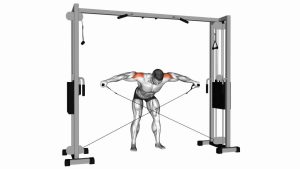
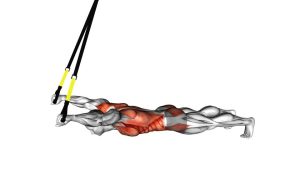
This exercise is most effective when performed with a controlled tempo, a slight bend in the elbows, and a strong focus on the rear shoulders. The straps make resistance adjustable, so you can make the movement easier or harder simply by changing your body angle. You should feel the rear delts and upper back doing the work, not the lower back, neck, or biceps taking over.
Quick Overview
| Body Part | Shoulders |
|---|---|
| Primary Muscle | Rear deltoids (posterior delts) |
| Secondary Muscle | Rhomboids, middle trapezius, lower trapezius, rotator cuff, upper back stabilizers |
| Equipment | Suspension trainer / TRX-style straps |
| Difficulty | Beginner to Intermediate (difficulty increases as body angle becomes more horizontal) |
Sets & Reps (By Goal)
- Muscle growth: 3–4 sets × 10–15 reps with 45–75 seconds of rest
- Shoulder control and posture: 2–4 sets × 12–20 reps with smooth, deliberate tempo
- Warm-up / activation: 2–3 sets × 8–12 reps using an easier body angle
- End-of-workout finisher: 2–3 sets × 15–20 reps with strict form and lighter difficulty
Progression rule: First improve control, range, and tempo. Then increase difficulty by walking the feet forward and bringing the body closer to horizontal.
Setup / Starting Position
- Adjust the straps: Set the suspension handles to around mid-length so you can lean back comfortably while keeping tension on the straps.
- Grip the handles: Hold one handle in each hand with a neutral grip and step your feet forward until your body leans back.
- Set your body line: Keep your head, torso, and hips in one straight line. Brace your core and avoid arching the lower back.
- Start with arms extended: Reach the arms forward at shoulder height with a soft bend in the elbows.
- Lift the chest: Keep the chest open and shoulders down so the rear delts and upper back can do the work.
Tip: A more upright angle is easier. A deeper lean increases resistance and makes the exercise much harder.
Execution (Step-by-Step)
- Begin under control: Start with the arms extended in front of you and tension already present in the straps.
- Open the arms wide: Pull your arms out to the sides in a reverse fly path while keeping only a slight bend at the elbows.
- Squeeze the upper back: As the arms open, bring the shoulder blades together without shrugging upward.
- Reach the top position: Stop when your arms form a wide “T” shape or when you feel a strong rear delt contraction without losing posture.
- Lower slowly: Return to the starting position in a controlled manner, resisting the pull of the straps the entire time.
- Repeat smoothly: Maintain the same body line and movement path on every rep.
Pro Tips & Common Mistakes
- Think “open wide,” not “pull back”: This cue helps keep the exercise a fly instead of a row.
- Keep a slight elbow bend: Too much bend shifts work into the biceps and upper back row pattern.
- Do not shrug: Keep the shoulders down and away from the ears throughout the set.
- Move with control: Avoid jerking the body or letting momentum swing you through the rep.
- Brace the core: A stable torso helps isolate the target muscles and protects the lower back.
- Use the right angle: If form breaks down, step back and make the movement easier before progressing.
- Do not overreach at the top: Stop where the rear delts stay loaded and the shoulders still feel stable.
FAQ
What muscles does the Suspension Reverse Fly work?
The main target is the rear deltoid. It also trains the rhomboids, middle traps, lower traps, and other upper-back stabilizers.
Is the Suspension Reverse Fly the same as a suspension row?
No. A row usually keeps the elbows closer to the body and emphasizes the lats and mid-back more. The reverse fly uses a wider arm path to place more tension on the rear shoulders.
How do I make this exercise harder?
Walk your feet farther forward and lean back more so your body becomes closer to horizontal. You can also slow down the lowering phase and add a brief pause at the top.
How do I make it easier?
Stand more upright, reduce the range of motion, and focus on smooth reps with good posture. This makes the movement easier while still training the rear delts effectively.
Where should I feel the exercise?
You should mainly feel it in the rear shoulders and upper back. If you mostly feel it in the neck, lower back, or biceps, adjust your form and body angle.
Recommended Equipment (Optional)
- Suspension Trainer Straps — the main tool for performing suspension reverse flies at home or in the gym
- Door Anchor for Suspension Trainer — helpful if you want to attach your straps securely without a permanent mount
- Wall / Ceiling Suspension Anchor — a more stable setup option for dedicated home training spaces
- Non-Slip Exercise Mat — improves footing and comfort during setup, warm-ups, and accessory work
- Training Gloves — optional for grip comfort during higher-volume suspension sessions
Tip: Prioritize a secure anchor and stable footing first. Good setup quality matters more than buying extra accessories.