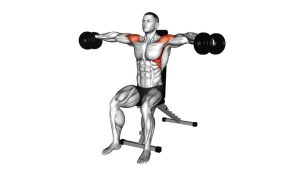
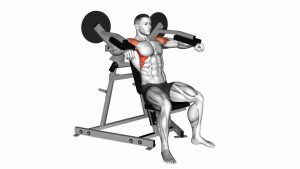
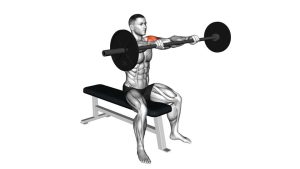
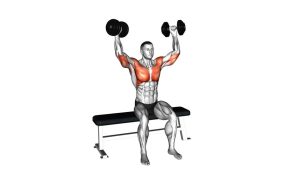
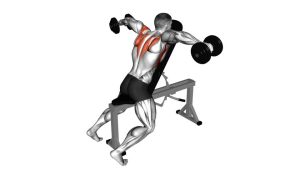
Dumbbell Seated Bent-Arm Lateral Raise: Form, Muscles Worked, Sets, Tips & FAQ
Learn how to perform the Dumbbell Seated Bent-Arm Lateral Raise with proper form to build side delts safely. Includes muscles worked, setup, step-by-step execution, sets by goal, common mistakes, FAQ, and recommended equipment.
Dumbbell Seated Bent-Arm Lateral Raise
This variation is ideal for lifters who want cleaner shoulder mechanics and better delt isolation. Because you are seated, it is easier to control body position and limit swinging. The bent elbows also make it easier to maintain smooth form, especially when training for hypertrophy and shoulder detail.
Quick Overview
| Body Part | Shoulders |
|---|---|
| Primary Muscle | Lateral deltoids (side shoulders) |
| Secondary Muscle | Anterior deltoids, supraspinatus, upper traps (minimal if form is strict) |
| Equipment | Dumbbells and a flat bench |
| Difficulty | Beginner to Intermediate |
Sets & Reps (By Goal)
- Muscle growth: 3–4 sets × 10–15 reps with 45–75 sec rest
- Shoulder definition / pump work: 2–4 sets × 12–20 reps with 30–60 sec rest
- Technique practice: 2–3 sets × 8–12 reps using lighter dumbbells and a slow tempo
- Accessory work after presses: 2–3 sets × 12–15 reps with controlled reps and no swinging
Progression rule: Increase reps before increasing load. If you cannot raise the arms without shrugging, shorten the range or reduce the weight.
Setup / Starting Position
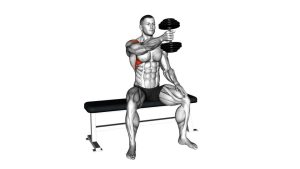
- Sit on a flat bench: Plant both feet firmly on the floor and sit tall near the front edge of the bench.
- Hold a dumbbell in each hand: Let the weights hang near your sides with a neutral or slightly pronated grip.
- Bend the elbows: Keep the elbows bent roughly 70–90 degrees to shorten the lever and improve control.
- Lean slightly forward: A small forward torso angle can help line up the side delts and reduce trap dominance.
- Brace lightly: Keep your chest stable, core engaged, neck neutral, and shoulders down.
Tip: Think about keeping the torso quiet and the elbows “floating” outward rather than throwing the hands upward.
Execution (Step-by-Step)
- Start under control: Begin with the dumbbells slightly outside your thighs and the elbows bent.
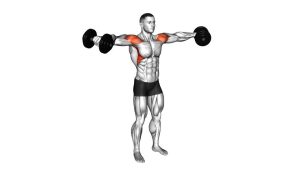
- Lead with the elbows: Raise the arms out to the sides in a wide arc while keeping the elbows fixed in position.
- Lift to about shoulder height: Stop when your upper arms are roughly parallel to the floor.
- Pause briefly: Squeeze the side delts for a moment without shrugging.
- Lower slowly: Bring the dumbbells back down along the same path with full control.
- Repeat smoothly: Maintain tension and avoid bouncing or relaxing completely at the bottom.
Pro Tips & Common Mistakes
- Lead with the elbows: This helps keep the focus on the lateral delts instead of the hands.
- Do not swing: Momentum turns this into a sloppy full-body lift and reduces shoulder isolation.
- Keep the range realistic: Shoulder height is usually enough for strong delt tension.
- Avoid shrugging: Letting the traps dominate takes stress off the side delts.
- Use moderate loads: This exercise responds well to clean reps, not ego lifting.
- Control the lowering phase: The eccentric portion is valuable for hypertrophy and technique.
- Keep wrists quiet: Avoid curling or twisting the dumbbells during the raise.
FAQ
What muscles does the seated bent-arm lateral raise work?
The main target is the lateral deltoid, which helps build shoulder width. The front delts and small stabilizers also assist, but the goal is to keep the side shoulders doing most of the work.
Why use bent arms instead of straight arms?
Bending the elbows shortens the lever, which can make the exercise feel smoother and more shoulder-friendly. It also helps many lifters maintain better control and cleaner technique.
Should I go above shoulder height?
In most cases, no. Raising to around shoulder height is enough for strong lateral-delt tension. Going much higher often increases trap involvement and can irritate the shoulders for some people.
Is this better seated or standing?
The seated version is usually stricter because it limits momentum and body sway. That makes it excellent for isolation work and consistent muscle tension.
What if I feel this mostly in my traps?
Lower the weight, keep your shoulders down, and think about pushing the elbows out instead of lifting the dumbbells up. A slight forward lean can also help improve lateral-delt alignment.
Recommended Equipment
- Adjustable Dumbbells — versatile for progressive overload and home shoulder training
- Flat Weight Bench — provides a stable seated setup for strict reps
- Resistance Bands Set — useful for warm-ups, shoulder activation, and extra accessory work
- Lifting Grips / Straps — optional support if grip fatigue limits higher-rep sets
- Foam Roller — helpful for upper-back and shoulder mobility work between sessions
These links point to relevant Amazon search categories for common equipment used with this exercise, including adjustable dumbbells, benches, and resistance bands.