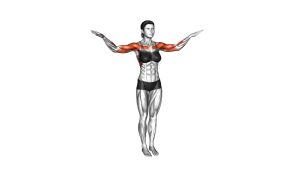
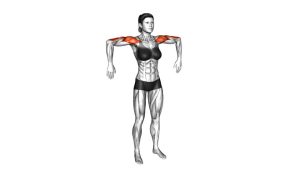
Standing One-Arm Circling: Form, Shoulder Benefits, Sets & FAQ
Learn how to do the Standing One-Arm Circling with proper form to improve shoulder mobility, control, and warm-up quality. Includes setup, execution, sets by goal, mistakes, FAQs, and recommended equipment.
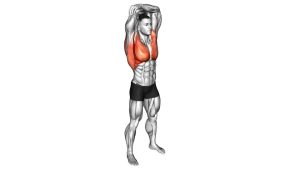
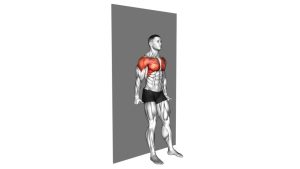
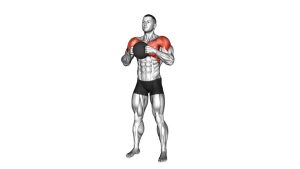
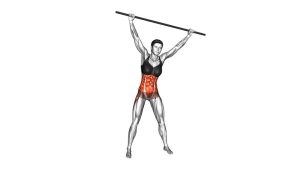
Standing One-Arm Circling
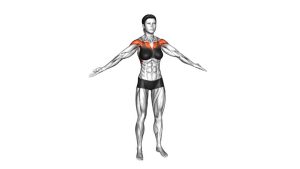
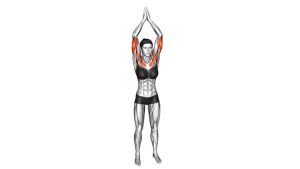
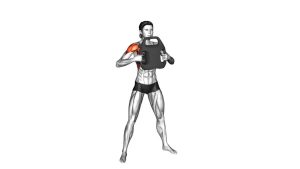
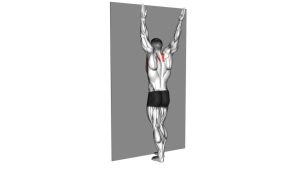
This exercise is best performed with control rather than momentum. You should feel the shoulder working through a comfortable range of motion while the arm traces a smooth circle. It can help prepare the deltoids and smaller stabilizers for pressing, lifting, or upper-body training, especially when you want a simple drill to wake up the shoulder without heavy loading.
Quick Overview
| Body Part | Shoulders |
|---|---|
| Primary Muscle | Deltoids |
| Secondary Muscle | Rotator cuff, serratus anterior, upper traps (light), scapular stabilizers |
| Equipment | None |
| Difficulty | Beginner |
Sets & Reps (By Goal)
- Warm-up / movement prep: 1–3 sets × 8–12 circles each direction per arm
- Shoulder mobility practice: 2–4 sets × 10–15 circles each direction per arm
- Light activation before upper-body training: 2–3 sets × 6–10 slow circles each direction
- Recovery / easy movement days: 1–2 sets × 8–10 comfortable circles per side
Progression rule: Increase control, range, or time under tension before adding load. If you use light resistance later, keep the motion smooth and reduce the circle size as needed.
Setup / Starting Position
- Stand tall: Place your feet about hip-width apart and keep your posture upright.
- Brace lightly: Engage your core just enough to stop the ribs from flaring or the torso from leaning.
- Relax the non-working side: Let the free arm rest naturally by your side.
- Set the working arm: Start with the arm hanging by your side and the elbow mostly straight but not locked.
- Keep the shoulder calm: Avoid shrugging before the movement even begins.
Tip: Start with a smaller circle if your shoulder feels stiff, then gradually expand the range as control improves.
Execution (Step-by-Step)
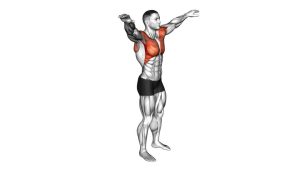
- Lift the arm forward: Begin moving the working arm forward and upward in a controlled arc.
- Continue the circle overhead: Let the shoulder rotate naturally as the arm reaches its highest comfortable point.
- Sweep backward: Bring the arm behind the body while staying tall and avoiding torso twist.
- Return to the start: Complete the circular path back to the original position at your side.
- Repeat smoothly: Perform all reps with the same rhythm, then reverse the direction.
Pro Tips & Common Mistakes
- Move with control: This is a mobility drill, not a fast arm swing.
- Keep the torso quiet: Avoid leaning back, rotating, or using momentum to finish the circle.
- Stay pain-free: A smaller clean circle is better than a large sloppy one.
- Don’t shrug: Keep the upper trap from taking over as the arm rises.
- Use both directions: Forward and backward circles challenge the shoulder slightly differently.
- Save heavier loading for later: Master smooth bodyweight circles before trying light dumbbells or bands.
FAQ
What is the Standing One-Arm Circling good for?
It is useful for shoulder warm-ups, mobility work, movement prep, and improving control through a circular range of motion. It is especially helpful before pressing, upper-body training, or mobility sessions.
Should I do the circles forward, backward, or both?
Both is usually best. Forward and backward circles challenge the shoulder differently and can help create more balanced movement quality.
How big should the circle be?
Only as big as you can control without pain, shrugging, or torso movement. Start small, then gradually increase the circle size as comfort and coordination improve.
Can I use weight for this exercise?
Yes, but only after you can perform bodyweight circles smoothly. If you add resistance, use very light dumbbells or bands and keep the movement strict.
Is this a muscle-building shoulder exercise?
Not primarily. It is more valuable as a shoulder mobility and activation drill than as a main hypertrophy movement. It works best as part of a warm-up or shoulder care routine.
Recommended Equipment (Optional)
- Fit Simplify Resistance Loop Exercise Bands — useful for light shoulder activation, warm-ups, and adding gentle resistance
- THERABAND Resistance Bands Set — good for mobility drills, rehab-style shoulder work, and controlled band resistance
- JFIT 1 lb Neoprene Dumbbells — a light loading option once bodyweight circles feel easy and controlled
- Vive Shoulder Pulley for Physical Therapy — useful for shoulder mobility and gentle range-of-motion practice outside your warm-up
- RangeMaster BlueRanger Shoulder Pulley — another shoulder rehab-style tool for controlled movement and mobility work
Tip: Optional tools should make the movement feel smoother and easier to control, not more irritating. Start light and keep shoulder motion clean.