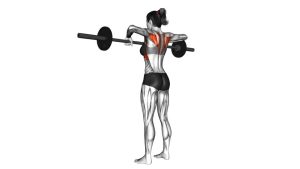
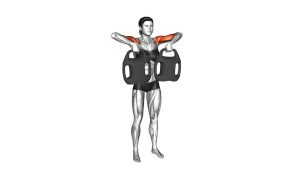
Bottle-Weighted Armpit Row: Form, Muscles Worked, Sets, Tips & FAQ
Learn how to do the Bottle-Weighted Armpit Row with proper form to build side delts, upper traps, and shoulder control at home. Includes setup, execution, sets by goal, mistakes, FAQs, and recommended equipment.
Bottle-Weighted Armpit Row
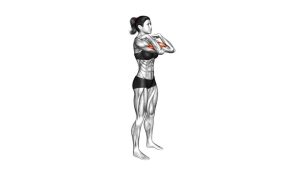
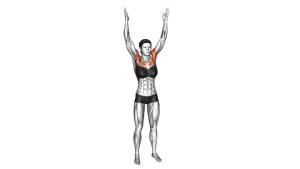
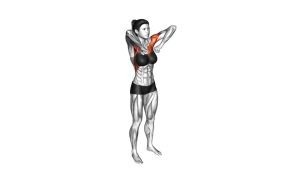
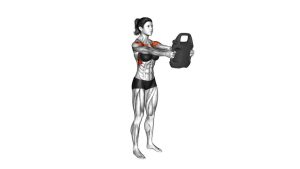
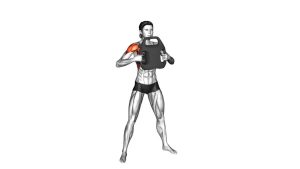
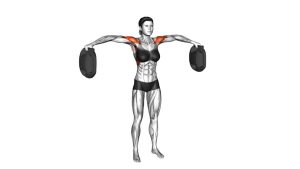
This exercise works best with light-to-moderate resistance and clean mechanics. You should feel the shoulders working first, especially the side delts, with some help from the upper traps. The movement should stay controlled from bottom to top, with the elbows leading and the wrists staying lower than the elbows. If the motion becomes jerky or you feel pinching in the shoulder joint, reduce the weight and shorten the range slightly.
Quick Overview
| Body Part | Shoulders |
|---|---|
| Primary Muscle | Lateral deltoids |
| Secondary Muscle | Upper trapezius, anterior deltoids, forearms, biceps (stabilizing role) |
| Equipment | Two weighted bottles, water jugs, or light dumbbells |
| Difficulty | Beginner to beginner-intermediate |
Sets & Reps (By Goal)
- Shoulder tone / general fitness: 2–4 sets × 10–15 reps
- Muscle-building focus: 3–4 sets × 8–12 reps
- Technique practice / beginners: 2–3 sets × 8–10 reps with very light weight
- Warm-up activation: 1–2 sets × 12–15 controlled reps
Progression rule: First improve control and rep quality, then add a little more load. Do not rush heavier weight if your elbows stop leading the movement or your shoulders start shrugging too early.
Setup / Starting Position
- Stand tall: Place your feet about hip-width apart and keep your chest gently lifted.
- Hold the weights at your sides: Use two equally weighted bottles or light dumbbells with a neutral grip.
- Set your posture: Keep your core lightly braced, shoulders down, and neck relaxed.
- Arms start long: Let the weights hang near the outer thighs with elbows extended but not stiff.
- Prepare the path: Think “elbows up and out” instead of “hands up.”
Tip: Lighter bottles usually make it easier to learn the correct shoulder path before progressing to heavier loads.
Execution (Step-by-Step)
- Start from the hang: Let the weights rest near your thighs while keeping your torso upright.
- Lead with the elbows: Pull your elbows upward and outward, keeping the weights close to your body.
- Raise toward the armpit line: Bring the bottles up until they reach around the lower chest or armpit area.
- Keep wrists lower than elbows: This helps maintain shoulder emphasis and a cleaner path.
- Pause briefly: Hold the top for a moment without shrugging aggressively.
- Lower under control: Return the weights to the starting position slowly instead of dropping them.
Pro Tips & Common Mistakes
- Lead with elbows, not hands: This is the main cue that makes the movement work.
- Keep the range moderate: Stop around shoulder height or slightly below if that feels cleaner.
- Do not yank the weight: Momentum shifts tension away from the target muscles.
- Keep the load close: Letting the bottles drift forward makes the rep less efficient.
- Control the lowering phase: The descent helps build shoulder control and stability.
- Do not over-shrug: Some trap involvement is normal, but the shoulders should not jam up into the ears.
- Use balanced bottles: Uneven loads can pull the body out of position and make the movement awkward.
FAQ
What muscles does the Bottle-Weighted Armpit Row work most?
It mainly targets the lateral deltoids, with secondary help from the upper traps and some assistance from the front delts and grip muscles.
Is this the same as an upright row?
It is very similar, but the “armpit row” cue usually encourages a more controlled path and a practical top position for home training. Many people find it easier to perform cleanly with lighter weights.
How high should I lift the bottles?
Usually until the elbows reach about shoulder height or slightly below. You do not need to pull excessively high. A moderate range is often more comfortable for the shoulders.
Can beginners use water bottles for this exercise?
Yes. Water bottles or similar household weights are a great beginner option because they allow you to learn the movement pattern without needing heavy equipment.
What if I feel shoulder pinching?
Reduce the range of motion, use lighter weight, slow the tempo, and focus on smooth elbow travel. If the pinching continues, skip the exercise and use a more comfortable shoulder variation.
Recommended Equipment (Optional)
- Adjustable Dumbbells — useful when you want a more stable upgrade from bottle weights
- Resistance Bands Set — helpful for adding shoulder warm-ups, pull-aparts, and accessory work
- Light Neoprene Dumbbells — a simple option for cleaner reps and better grip than bottles
- Exercise Mat — useful if you pair this exercise with floor-based shoulder or core work
- Workout Gloves — can improve comfort and grip if the bottles or handles are slippery
Tip: Start with the lightest load that lets you keep the elbows leading and the shoulders comfortable. Better mechanics usually beat heavier weight on this exercise.