Elbow Touch and Lift: Proper Form, Shoulder Benefits, Sets & FAQ
Learn the Elbow Touch and Lift to activate the front delts, improve shoulder control, and build better upper-body coordination. Includes proper form, sets by goal, common mistakes, FAQs, and recommended equipment.
Elbow Touch and Lift
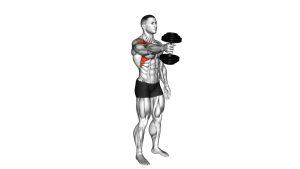
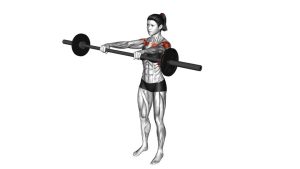
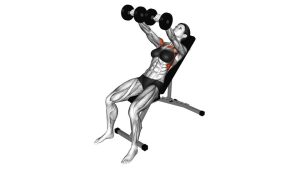
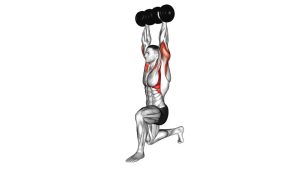
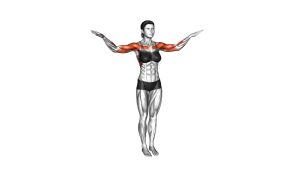
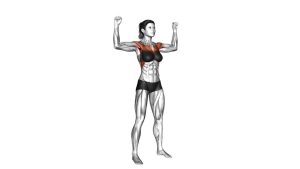
This exercise works best when performed with control, not momentum. The elbows move inward to touch or nearly touch in front of the body, then travel upward while the arms stay bent. You should feel the front of the shoulders working, with light support from the upper chest and shoulder stabilizers. Keep your neck relaxed, ribs down, and avoid turning the movement into a press or shrug.
Quick Overview
| Body Part | Shoulders |
|---|---|
| Primary Muscle | Anterior deltoids (front shoulders) |
| Secondary Muscle | Upper chest, serratus anterior, upper traps, rotator cuff stabilizers |
| Equipment | None |
| Difficulty | Beginner |
Sets & Reps (By Goal)
- Shoulder warm-up: 2–3 sets × 10–15 reps with slow, smooth control
- Activation before pressing workouts: 2–4 sets × 8–12 reps with a brief pause at the top
- Mobility and coordination practice: 2–3 sets × 12–20 reps at an easy effort
- Light shoulder endurance: 2–3 sets × 15–20 reps with short rest periods
Progression rule: First improve control, range, and tempo. Then add reps or longer pauses at the top before increasing difficulty with light resistance.
Setup / Starting Position
- Stand tall: Keep your feet about hip-width apart and your torso upright.
- Bend the elbows: Bring your arms in front of your body with the elbows bent and forearms angled inward.
- Bring elbows together: Start with the elbows touching or nearly touching in front of the chest.
- Brace lightly: Keep the ribs down, core lightly engaged, and neck relaxed.
- Stay ready: Shoulders should feel active, but not shrugged or tense.
Tip: Think of this as a shoulder control drill, not a speed movement. A stable torso makes the exercise more effective.
Execution (Step-by-Step)
- Start with elbows together: Bring the elbows inward in front of the upper chest while keeping the arms bent.
- Lift upward: Raise the elbows in a controlled upward path without straightening the arms.
- Keep tension on the shoulders: Let the front delts guide the motion while the upper body stays steady.
- Pause briefly: At the top, hold for a moment while keeping the neck relaxed and shoulders controlled.
- Lower smoothly: Return to the start position without dropping the elbows or using momentum.
- Repeat consistently: Maintain the same path and tempo for every rep.
Pro Tips & Common Mistakes
- Keep the elbows close: Letting them drift too far apart changes the emphasis and reduces the intended movement pattern.
- Don’t rush the lift: Smooth reps create better shoulder activation than fast swinging.
- Avoid shrugging: Keep the neck long and upper traps from taking over.
- Don’t turn it into a press: The arms should stay bent throughout the exercise.
- Control the lowering phase: Don’t let gravity drop the elbows back down.
- Keep the core steady: Avoid leaning back or arching the lower back as the elbows rise.
FAQ
What muscles does the Elbow Touch and Lift work?
It mainly targets the anterior deltoids while also involving the upper chest, serratus anterior, and shoulder stabilizers.
Is this a warm-up exercise or a muscle-building exercise?
It can be used as both, but it is most commonly used as a warm-up or activation drill. With higher reps and controlled tempo, it can also contribute to light shoulder endurance work.
Should I use weights for this exercise?
Beginners can perform it with bodyweight only. Once your form is consistent, you may experiment with very light resistance such as mini bands or light plates.
Why do I feel my traps more than my shoulders?
That usually happens when you shrug the shoulders upward or rush the movement. Keep your neck relaxed, lower the shoulders slightly, and move slower.
Can I do this exercise before shoulder presses?
Yes. It works well before pressing workouts because it helps activate the front delts and improves shoulder awareness without tiring you out too much.
Recommended Equipment
- Mini Resistance Bands — useful for progressing the movement with light shoulder resistance
- Light Dumbbells — good for advancing shoulder activation and endurance work
- Exercise Mat — helpful for comfortable warm-up space and mobility routines
- Posture Corrector — can serve as a light posture reminder during shoulder positioning drills
- Foam Roller — useful for pairing with upper-back mobility before shoulder training
Tip: Keep all resistance light enough that the movement stays smooth and controlled. This exercise is most effective when technique stays clean.