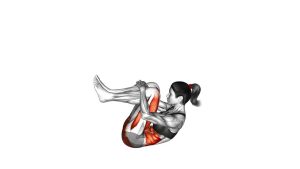
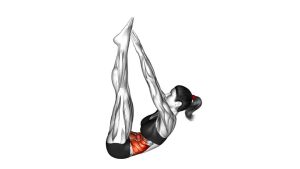
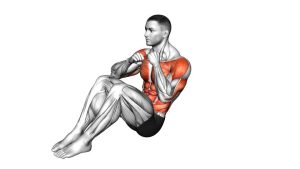
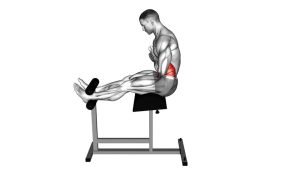
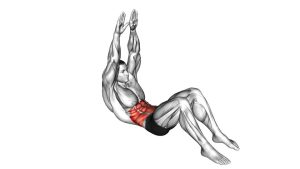
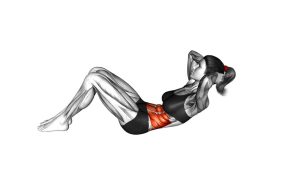
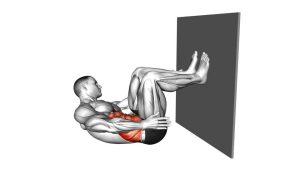
Lever Total Abdominal Crunch: Form, Muscles, Sets, Tips & FAQ
Learn the Lever Total Abdominal Crunch with proper machine setup, step-by-step form, ab-focused cues, sets by goal, mistakes, FAQs, and equipment tips.
Lever Total Abdominal Crunch
This exercise is useful when you want a more guided abdominal movement than a floor crunch. Because the machine fixes the lower body and provides a predictable resistance path, it helps you focus on the main action: rounding the trunk under control. The best reps are slow, clean, and deliberate. You should feel the front of the abs working hard, especially as the chest moves down toward the thighs.
The Lever Total Abdominal Crunch should not feel like a hip-flexor pull, neck strain, or arm-dominant movement. Your hands only hold the handles for support and machine control. They do not yank the body forward. Keep the feet anchored, keep the hips stable, and let the abdominal wall create the crunch.
Quick Overview
| Body Part | Core |
|---|---|
| Primary Muscle | Rectus Abdominis |
| Secondary Muscle | Obliques, deep core stabilizers, hip flexors lightly as stabilizers |
| Equipment | Lever abdominal crunch machine |
| Difficulty | Beginner to Intermediate |
Sets & Reps (By Goal)
- Muscle endurance: 2–4 sets × 12–20 reps with a light-to-moderate load and controlled tempo.
- Core strength: 3–5 sets × 8–12 reps with a moderate load and a strong squeeze at the bottom.
- Beginner form practice: 2–3 sets × 10–15 reps using a light load and slow movement.
- Hypertrophy-focused abs training: 3–4 sets × 10–15 reps, resting 45–75 seconds between sets.
- Finisher after main workout: 2–3 sets × 15–25 reps with smooth reps and no swinging.
Progression rule: Add weight only when every rep stays controlled. Your torso should flex because the abs contract, not because momentum throws you forward.
Setup / Starting Position
- Adjust the machine: Sit on the seat and position your body so the machine’s movement path matches your natural crunch motion.
- Secure your feet: Place your feet under the lower pads or foot support. Keep the lower body stable before starting.
- Grip the handles: Hold the handles beside your head or upper body as shown by the machine design. Keep the grip firm but not aggressive.
- Sit tall: Start with the torso upright, chest lifted, and spine neutral. Avoid beginning in a rounded position.
- Brace lightly: Tighten the abs before moving. Keep the shoulders relaxed and avoid shrugging.
- Set your head position: Keep the neck in line with the torso. Do not pull the head down or jam the chin into the chest.
Setup matters because the machine can make it easy to use too much weight. Before increasing load, make sure the seat, pads, handles, and foot position allow a clean crunch without hip sliding or neck strain.
Execution (Step-by-Step)
- Begin from the upright position: Sit tall with the feet locked in place, hands on the handles, and abs lightly braced.
- Start the crunch with your abs: Pull the ribcage down toward the pelvis. Think about shortening the front of the torso, not simply leaning forward.
- Let the spine flex gradually: Round through the upper and middle back in a controlled way. Keep the hips planted and avoid bouncing.
- Keep the arms passive: The hands stabilize the machine handles, but they should not yank the torso forward.
- Reach the peak contraction: At the bottom of the crunch, squeeze the abs for a brief moment. The chest should move closer to the thighs without collapsing loosely.
- Return slowly: Control the machine as you rise back to the starting position. Do not let the weight stack slam down.
- Reset before the next rep: Return to a tall, controlled posture, keep tension in the abs, and repeat with the same clean path.
Pro Tips & Common Mistakes
Pro Tips
- Use a slow tempo: Crunch down in 1–2 seconds, pause briefly, then return in 2–3 seconds.
- Exhale during the crunch: Breathe out as the ribs move down. This helps the abs contract more strongly.
- Keep the pelvis stable: Avoid sliding forward on the seat or lifting the hips from the pad.
- Control the top position: Do not relax completely at the top. Keep light tension before starting the next rep.
- Choose smart resistance: A moderate load with perfect form is better than heavy weight with pulling and swinging.
Common Mistakes
- Pulling with the arms: This reduces abdominal tension and can stress the shoulders or neck.
- Using momentum: Fast, bouncing reps make the machine move, but they do not train the abs as well.
- Only bending at the hips: The target action is spinal flexion, not a seated bowing motion.
- Going too heavy: Heavy loading often causes short reps, neck tension, and poor control.
- Letting the weight stack slam: A noisy return usually means the eccentric phase is not controlled.
- Over-tucking the neck: Keep the head aligned with the torso instead of forcing the chin down.
FAQ
What muscles does the Lever Total Abdominal Crunch work?
The main target is the rectus abdominis, the front abdominal muscle responsible for trunk flexion. The obliques and deeper core muscles assist with control and stability during the movement.
Is the Lever Total Abdominal Crunch good for beginners?
Yes. The machine gives a guided path, which can help beginners learn how to crunch with control. However, beginners should start with a light load and focus on smooth reps before adding resistance.
Should I go heavy on the abdominal crunch machine?
Use enough resistance to challenge your abs, but not so much that you pull with your arms or swing your torso. For most people, moderate weight and controlled reps work better than very heavy loading.
Where should I feel this exercise?
You should feel strong tension through the front of your abs. If you mainly feel your hip flexors, neck, or arms, reduce the weight and focus on bringing your ribs toward your pelvis.
How is this different from a regular floor crunch?
A regular floor crunch uses bodyweight, while the lever machine adds adjustable resistance and a fixed movement path. This can make progression easier, especially for people who want more load for ab strength or hypertrophy.
Can this exercise help build visible abs?
It can help strengthen and develop the abdominal muscles. Visible abs also depend on overall body fat levels, nutrition, training consistency, and total weekly activity.
Recommended Equipment
- Ab Crunch Machine — useful for machine-based weighted abdominal crunch training at home.
- Adjustable Ab Bench — a good alternative for decline crunches, sit-ups, and controlled core work.
- Thick Exercise Mat — helpful for floor-based core work, warm-ups, and mobility drills.
- Cable Rope Attachment — useful for cable crunches when a lever abdominal machine is not available.
- Ab Wheel Roller — a strong core tool for anti-extension training and advanced abdominal control.
Tip: Choose equipment that supports controlled movement. For abs, clean tension and repeatable form are more important than chasing heavy resistance too early.