Weighted Decline Sit-Up: Proper Form, Core Benefits, Sets & Tips
Learn the Weighted Decline Sit-Up with safe form, core-focused cues, sets by goal, common mistakes, FAQs, and useful equipment options.
Weighted Decline Sit-Up
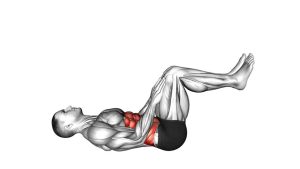
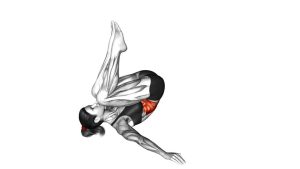
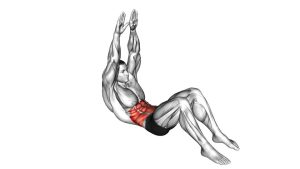
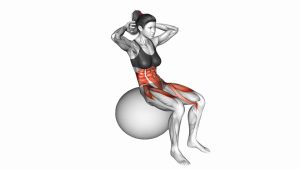
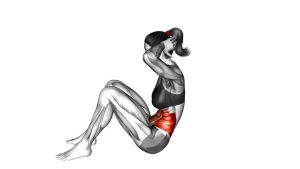
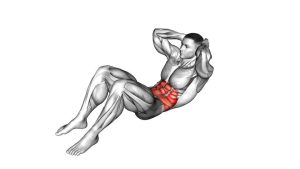
This exercise is best used when you can already perform regular sit-ups with clean control. Since the weight plate increases resistance and the decline bench lengthens the range of motion, every repetition should stay smooth from start to finish. In the video, the lifter begins fully reclined, keeps the feet locked under the pads, holds the plate overhead, sits up to a tall top position, and then lowers back down under control.
Quick Overview
| Body Part | Abs |
|---|---|
| Primary Muscle | Rectus abdominis |
| Secondary Muscle | Hip flexors, obliques, deep core stabilizers, shoulders for plate stability |
| Equipment | Decline bench and weight plate |
| Difficulty | Intermediate to advanced |
Sets & Reps (By Goal)
- Core strength: 3–5 sets × 6–10 reps with a controlled tempo and 60–90 seconds rest.
- Muscle building: 3–4 sets × 8–12 reps using a moderate plate and steady lowering.
- Core endurance: 2–4 sets × 12–15 reps with a lighter plate and no momentum.
- Technique practice: 2–3 sets × 5–8 reps using bodyweight or a very light plate.
Progression rule: First improve control, then add reps, and only after that increase plate weight. Additionally, reduce the bench angle if the movement becomes jerky or the lower back takes over.
Setup / Starting Position
- Set the bench: Use a decline bench that allows your feet to lock securely under the pads.
- Lie back fully: Position your body on the bench with your head lower than your hips.
- Secure your feet: Keep both feet anchored so the lower body stays stable throughout the rep.
- Hold the plate: Grip the weight plate with both hands and extend it overhead or slightly above the chest line, as shown in the movement.
- Brace before moving: Tighten your abs, keep the ribs controlled, and prepare to lift without swinging.
Tip: If the plate position makes your shoulders unstable, use a lighter plate before increasing the load. Better control creates a safer and more effective repetition.
Execution (Step-by-Step)
- Start from the bottom: Begin with your back supported on the decline bench and the weight plate held securely.
- Initiate with the abs: Curl the head, shoulders, and upper torso away from the bench while keeping the feet fixed.
- Continue upward: Sit up through the middle range without bouncing or throwing the plate forward.
- Reach the top: Finish in a tall seated position while keeping the plate controlled and the core tight.
- Lower slowly: Reverse the motion and return the back to the bench with control.
- Reset fully: Once you reach the bottom, re-brace before starting the next repetition.
Pro Tips & Common Mistakes
- Control the descent: Lowering slowly keeps tension on the abs and reduces unnecessary stress.
- Do not yank with the hips: Although the hip flexors assist, the abs should remain the main driver.
- Keep the plate stable: Avoid swinging the weight forward to create momentum.
- Use a manageable load: A lighter plate with clean reps is more effective than a heavy plate with sloppy form.
- Maintain a steady brace: Exhale as you rise, then inhale with control as you lower.
- Avoid neck pulling: Since the hands hold the plate, the neck should stay neutral and free from strain.
- Use full control at the bottom: Do not collapse onto the bench between reps.
FAQ
What muscles does the Weighted Decline Sit-Up work?
The main target is the rectus abdominis. However, the hip flexors, obliques, deep core muscles, and shoulders also assist because the body must lift and stabilize the weighted position.
Is the Weighted Decline Sit-Up beginner-friendly?
Usually, it is better for intermediate or advanced trainees. Beginners should first master bodyweight sit-ups, decline sit-ups without weight, and controlled core bracing before adding a plate.
Should I hold the plate overhead or on my chest?
In the video, the plate is held overhead with the arms extended, which makes the exercise more challenging. If that position feels unstable, holding the plate closer to the chest can be an easier variation.
Why do I feel this in my hip flexors?
Some hip flexor involvement is normal during sit-up patterns. However, if the hip flexors dominate, reduce the weight, slow the tempo, and focus on curling the torso with the abs first.
How can I make this exercise harder?
You can increase the plate weight, slow the lowering phase, pause at the top, or use a steeper decline. Nevertheless, only progress when your form remains smooth and controlled.
How can I make this exercise easier?
Use no weight, hold the plate closer to the chest, reduce the decline angle, or perform fewer reps. Additionally, practice regular decline sit-ups before returning to the weighted version.
Recommended Equipment
- Adjustable Decline Bench — useful for decline sit-ups, weighted core work, and adjustable ab training.
- Weight Plate — the main loading tool for this exercise; choose a manageable starting weight.
- Rubber Grip Weight Plate — easier to hold securely during overhead or chest-loaded sit-up variations.
- Exercise Mat — helpful for warm-up core drills, floor regressions, and mobility work.
- Bench Foot / Ankle Support Attachment — supports secure foot positioning when compatible with your bench setup.
Tip: Choose equipment that keeps your body stable. If the bench shifts, the plate feels hard to grip, or your feet cannot stay secured, fix the setup before adding more resistance.