Dumbbell Preacher Curl: Proper Form, Muscles Worked, Sets, Tips & FAQ
Learn the Dumbbell Preacher Curl to isolate the biceps with strict form and better control. Discover muscles worked, setup, execution, sets by goal, common mistakes, FAQs, and recommended equipment.
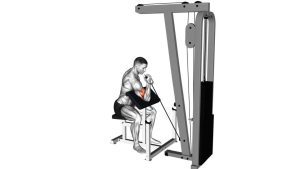
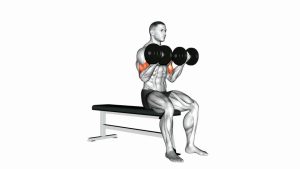
Dumbbell Preacher Curl
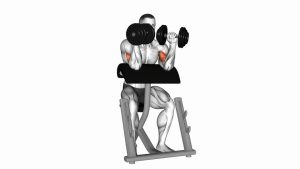
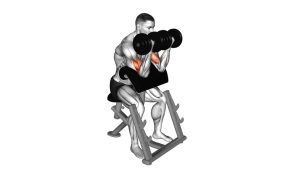
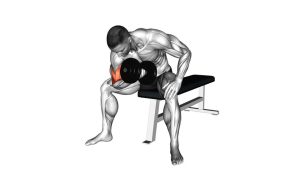
This variation is excellent for lifters who want cleaner biceps training with less body English. Because the upper arm stays supported on the pad, the movement becomes more demanding on the elbow flexors and less dependent on swinging or shoulder drive. Use a weight you can control from the bottom stretch to the peak contraction without twisting the wrist or lifting the elbow off the pad.
Quick Overview
| Body Part | Biceps |
|---|---|
| Primary Muscle | Biceps brachii |
| Secondary Muscle | Brachialis, brachioradialis, forearm flexors |
| Equipment | Dumbbell, preacher bench or preacher pad |
| Difficulty | Beginner to Intermediate |
Sets & Reps (By Goal)
- Muscle growth: 3–4 sets × 8–12 reps per arm, 60–90 sec rest
- Strength-focused arm work: 3–5 sets × 6–8 reps per arm, 90–120 sec rest
- Technique and control: 2–3 sets × 10–15 reps per arm, 45–75 sec rest
- Finisher / pump work: 2–3 sets × 12–15 reps per arm, short rest, strict tempo
Progression rule: Add reps before adding weight. Keep the upper arm planted on the pad and earn progression with cleaner reps, slower eccentrics, and stronger top-end contraction.
Setup / Starting Position
- Set the bench: Adjust the seat so your armpit sits comfortably near the top edge of the preacher pad without the shoulder rolling forward.
- Grip the dumbbell: Hold one dumbbell with a supinated grip (palm facing up) and let the arm rest fully against the pad.
- Brace the torso: Sit tall with your chest supported and shoulders relaxed. Do not shrug or lean back to create momentum.
- Start stretched: Lower the dumbbell until the arm is nearly straight, keeping a soft elbow and tension in the biceps.
- Fix the arm: Keep the upper arm glued to the pad from start to finish.
Tip: A slightly lighter dumbbell usually gives better results here because the preacher setup exposes weak control at the bottom.
Execution (Step-by-Step)
- Begin from the bottom: Start with the working arm extended down the pad, wrist straight, and biceps fully stretched.
- Curl the dumbbell up: Flex the elbow and raise the dumbbell smoothly toward shoulder height without lifting the upper arm off the pad.
- Stay strict: Keep the shoulder quiet and avoid swinging, twisting, or jerking the weight through the sticking point.
- Squeeze at the top: Pause briefly when the dumbbell reaches the top of the rep and contract the biceps hard.
- Lower slowly: Control the eccentric all the way back down until the arm is nearly straight again, maintaining tension.
Pro Tips & Common Mistakes
- Keep the wrist neutral: Don’t let the dumbbell fold your wrist backward at the bottom.
- Use full control on the way down: The eccentric is where this exercise becomes especially effective.
- Don’t bounce out of the bottom: Rushing the stretch position can irritate the elbow and reduce tension where you want it most.
- Keep the shoulder out of it: If the front deltoid takes over, you lose the main benefit of preacher positioning.
- Train one arm at a time if needed: Single-arm reps can improve focus, symmetry, and connection with the working biceps.
- Don’t overload too soon: A moderate dumbbell with perfect form usually beats a heavy dumbbell with partial reps.
FAQ
What muscles does the dumbbell preacher curl work?
The main target is the biceps brachii. The brachialis and brachioradialis also assist with elbow flexion, while the preacher setup helps reduce momentum.
Is the dumbbell preacher curl better than a regular dumbbell curl?
It is not automatically better, but it is usually stricter. The preacher pad reduces cheating and makes it easier to isolate the biceps with controlled reps.
Should I fully lock out at the bottom?
It is usually better to get close to full extension while keeping tension and control. Snapping into hard lockout with a heavy load can place unnecessary stress on the elbow.
Can beginners use the dumbbell preacher curl?
Yes. Beginners can benefit from the fixed arm position because it teaches cleaner curling mechanics. Start light and focus on tempo before increasing weight.
How do I feel this more in my biceps and less in my forearms?
Keep your palm facing up, grip the dumbbell firmly but not excessively hard, and slow the lowering phase. Also make sure your upper arm stays fully supported on the pad.
Recommended Equipment
- Preacher Curl Bench — the most direct setup for stable, strict preacher curls
- Adjustable Dumbbells — ideal for progressive overload without needing a full rack of dumbbells
- Adjustable Bench with Preacher Attachment — useful for home gyms that need one bench to cover multiple exercises
- Wrist Wraps — helpful if your wrists feel unstable during heavy or high-volume curls
- Dumbbell Rack — keeps your training area organized and makes dumbbell changes faster
Tip: Choose equipment that helps you keep the upper arm stable and the wrist comfortable. For this exercise, strict setup matters more than fancy gear.