Dumbbell Standing Concentration Curl: Form, Sets, Muscles Worked & Tips
Learn how to do the Dumbbell Standing Concentration Curl with proper form. Discover muscles worked, setup, step-by-step execution, sets and reps by goal, common mistakes, FAQs, and recommended equipment.
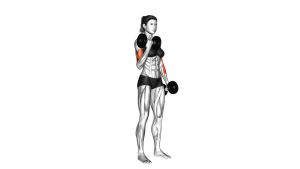
Dumbbell Standing Concentration Curl
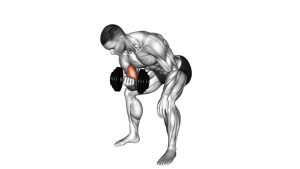
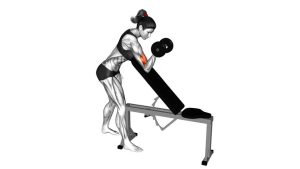
This variation works best with strict technique and moderate loading rather than heavy cheating. Because the elbow is supported against the leg, the movement limits shoulder swing and helps keep tension directly on the biceps. You should feel the working arm doing nearly all the work from the start of the curl to the top squeeze.
Quick Overview
| Body Part | Biceps |
|---|---|
| Primary Muscle | Biceps brachii |
| Secondary Muscle | Brachialis and brachioradialis |
| Equipment | One dumbbell |
| Difficulty | Beginner to Intermediate |
Sets & Reps (By Goal)
- Muscle growth: 3–4 sets × 8–12 reps per arm with 60–90 seconds rest
- Strength-focused arm work: 3–5 sets × 6–8 reps per arm with 90–120 seconds rest
- Technique and control: 2–3 sets × 10–15 reps per arm with slow tempo and lighter weight
- Finisher / pump work: 2–3 sets × 12–15 reps per arm with short rest and constant tension
Progression rule: Add reps first, then increase the dumbbell weight gradually while keeping the elbow anchored and the lowering phase controlled.
Setup / Starting Position
- Grab one dumbbell: Hold it with a supinated grip so the palm faces forward.
- Set your stance: Stand with feet about shoulder-width apart for balance.
- Hinge slightly forward: Bend at the hips just enough to position the working elbow near the inside of the thigh.
- Brace the elbow: Press the back of the upper arm or elbow area lightly against the inner thigh to stabilize it.
- Let the arm hang straight: Start with the dumbbell near full extension, wrist neutral, chest up, and shoulders relaxed.
Tip: The elbow should feel supported, not jammed. You want stability without distorting the natural curl path.
Execution (Step-by-Step)
- Lock in your position: Keep your torso steady, working elbow planted, and non-working hand braced on the opposite leg if needed.
- Start the curl: Flex the elbow and raise the dumbbell in a smooth arc toward your shoulder.
- Keep the upper arm fixed: Do not let the shoulder roll forward or the elbow drift off the thigh.
- Squeeze at the top: When the dumbbell reaches the highest comfortable point, contract the biceps hard for a brief pause.
- Lower slowly: Return the dumbbell under control until the arm is nearly straight again.
- Repeat evenly: Complete all reps on one arm, then switch sides and match the same tempo and control.
Pro Tips & Common Mistakes
- Use full control: The standing concentration curl is most effective when you slow down both the lift and the lowering phase.
- Don’t swing the torso: Momentum reduces biceps tension and turns an isolation movement into a sloppy curl.
- Keep the wrist neutral: Avoid excessive wrist curling to prevent unnecessary forearm strain.
- Don’t rush the bottom: Lowering too fast makes the set easier but reduces eccentric tension.
- Focus on one arm at a time: Use the unilateral setup to improve symmetry and mind-muscle connection.
- Choose the right load: Moderate weight with strict reps beats heavy weight with poor mechanics.
FAQ
What muscles does the Dumbbell Standing Concentration Curl work?
It mainly targets the biceps brachii, with the brachialis and brachioradialis assisting during elbow flexion.
Is this better than a regular standing dumbbell curl?
It is not necessarily better for every goal, but it is excellent for isolation, strict form, and improving your ability to feel the biceps working without momentum.
Should I curl one arm at a time or alternate sides?
The most common method is to finish all reps on one side first, then switch arms. This makes it easier to stay focused and maintain a consistent setup.
How heavy should I go on standing concentration curls?
Use a weight you can control without twisting, jerking, or lifting the elbow off the thigh. This exercise usually works best with moderate loads and strict reps.
Can beginners do this exercise?
Yes. It is beginner-friendly as long as the dumbbell is light enough to keep the movement smooth and the elbow position stable.
Recommended Equipment
- Adjustable Dumbbells — versatile for progressive overload and home arm training
- Rubber Hex Dumbbell — a stable single-dumbbell option for strict curl work
- Weightlifting Gloves — useful if you want a more secure grip during higher-rep sets
- Wrist Wraps — optional support if wrist discomfort limits curl performance
- Adjustable Workout Bench — helpful for pairing this exercise with seated curls, preacher curls, and full arm workouts
Tip: For this exercise, the best investment is usually a good dumbbell set. Strict curls do not require much equipment, but they do benefit from having multiple weight options.