Dumbbell Straight-Leg Russian Twist: Core Form, Sets, Tips & FAQ
Learn the Dumbbell Straight-Leg Russian Twist for stronger abs, obliques, and core control. Includes setup, steps, sets, tips, FAQs, and gear.
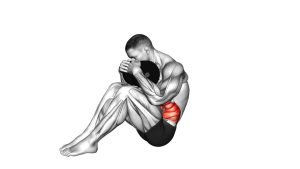
Dumbbell Straight-Leg Russian Twist
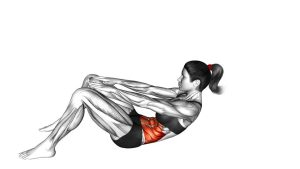
This variation is more demanding than a standard Russian twist because the straight-leg hold removes support from the feet. As a result, your core must stabilize your body while your torso rotates from side to side. For best results, use a light-to-moderate dumbbell, keep the movement smooth, and avoid swinging the weight with momentum.
Quick Overview
| Body Part | Core |
|---|---|
| Primary Muscle | Obliques and rectus abdominis |
| Secondary Muscle | Hip flexors, transverse abdominis, lower-back stabilizers |
| Equipment | Dumbbell and exercise mat |
| Difficulty | Intermediate to advanced because the legs stay straight and elevated |
Sets & Reps (By Goal)
- Core control: 2–3 sets × 8–12 reps per side with a slow tempo
- Oblique strength: 3–4 sets × 10–14 reps per side using a manageable dumbbell
- Core endurance: 2–3 sets × 20–30 total twists with steady breathing
- Advanced finisher: 2–3 rounds × 30–45 seconds, only if form stays clean
Progression rule: First improve balance, leg position, and rotation control. After that, increase reps before using a heavier dumbbell.
Setup / Starting Position
- Sit on the floor: Start tall with your knees extended and your dumbbell close to your torso.
- Lean back slightly: Create a V-sit angle while keeping your chest lifted and your spine long.
- Lift the legs: Raise both straight legs off the floor and keep them together or close together.
- Brace the core: Tighten your midsection before the first twist so your lower back does not sag.
- Hold the dumbbell securely: Grip one dumbbell with both hands near the center of your body.
Tip: If the straight-leg hold is too difficult, practice the same torso rotation with bent knees first.
Execution (Step-by-Step)
- Start centered: Hold the dumbbell in front of your torso while your legs stay straight and lifted.
- Rotate to one side: Turn your shoulders and rib cage while guiding the dumbbell toward one side of your body.
- Keep the legs steady: Avoid kicking, swinging, or letting the heels drop as the torso turns.
- Return through center: Bring the dumbbell back across the midline with control.
- Rotate to the opposite side: Turn smoothly to the other side without rushing the weight.
- Repeat with rhythm: Continue alternating sides while keeping the core tight and the breathing steady.
Pro Tips & Common Mistakes
- Use a controlled range: Rotate far enough to train the obliques, but do not twist aggressively through the lower back.
- Keep the dumbbell close: Holding the weight too far away can increase strain and reduce control.
- Avoid leg swinging: The legs should stay elevated and steady while the torso performs the rotation.
- Do not round the spine: Keep your chest lifted so the movement stays athletic and stable.
- Start light: A heavy dumbbell can quickly turn this into a momentum-based exercise.
- Breathe through each rep: Exhale lightly as you rotate, then reset your brace as you pass through center.
- Control the return: The middle portion matters because it prevents the weight from whipping side to side.
FAQ
What muscles does the Dumbbell Straight-Leg Russian Twist work?
It mainly targets the obliques and rectus abdominis. In addition, the straight-leg hold makes the hip flexors and deep core stabilizers work harder to keep the body balanced.
Is this exercise harder than a regular Russian twist?
Yes. Since the legs remain straight and elevated, your core must stabilize more aggressively. Therefore, this version is better suited for people who already control standard Russian twists well.
Should the dumbbell touch the floor on each side?
Not necessarily. The video shows a controlled side-to-side rotation with the dumbbell moving near the body. Focus on smooth torso rotation instead of forcing the dumbbell down to the floor.
Why do my hip flexors feel this exercise?
Your hip flexors help keep the straight legs elevated. However, your abs should still control the torso. If your hip flexors dominate too much, bend the knees or lower the difficulty.
How heavy should the dumbbell be?
Use a weight that allows controlled rotation without swinging. For many lifters, a lighter dumbbell works better because this exercise depends on balance, bracing, and clean movement.
Recommended Equipment
- Hex Dumbbell — useful for weighted Russian twists and other core strength movements
- Adjustable Dumbbell — allows easy load changes as your core control improves
- Thick Exercise Mat — adds comfort and grip during seated core exercises
- Non-Slip Yoga Mat — helps prevent sliding while holding the V-sit position
- Core Slider Discs — useful for pairing this move with other advanced core stability drills
Tip: Choose equipment that supports control first. A heavier dumbbell is not useful if it makes the twist fast, sloppy, or stressful on the lower back.