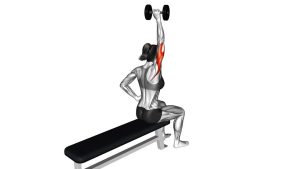
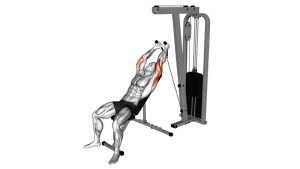
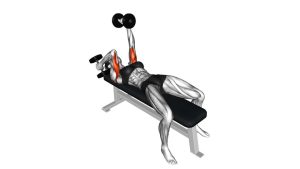
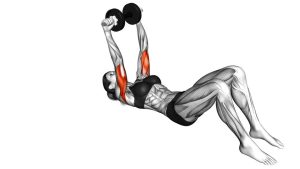
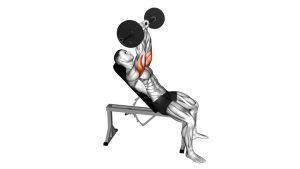
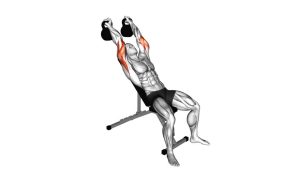
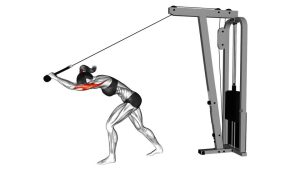
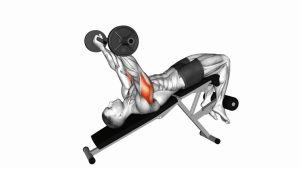
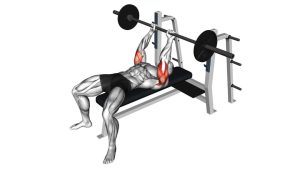
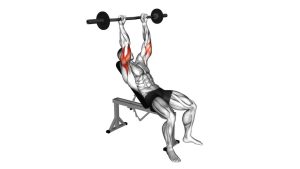
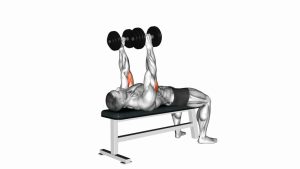
Cable Lying Triceps Extension : Form, Benefits, Sets & Tips
Learn how to perform the Cable Lying Triceps Extension from a low pulley with proper form. Discover benefits, muscles worked, sets and reps by goal, common mistakes, FAQs, and recommended equipment.
Cable Lying Triceps Extension
This exercise works best when the upper arms stay relatively stable and the elbows do most of the moving. The low pulley changes the resistance angle compared to free-weight skull crushers, helping keep tension on the triceps from the start of the rep to the finish. Focus on controlled elbow flexion on the way down, a brief stretch at the bottom, and a clean extension back to the top without letting the shoulders take over.
Quick Overview
| Body Part | Triceps |
|---|---|
| Primary Muscle | Triceps brachii |
| Secondary Muscle | Forearms, anterior deltoids, and upper-arm stabilizers |
| Equipment | Low pulley cable machine with straight bar, EZ-style bar, or similar attachment; flat bench |
| Difficulty | Intermediate |
Sets & Reps (By Goal)
- Muscle growth: 3–4 sets × 8–15 reps with controlled tempo and full elbow extension
- Strength-focused accessory work: 3–5 sets × 6–10 reps using strict form
- Technique and joint-friendly volume: 2–3 sets × 12–15 reps with moderate load
- Finisher / pump work: 2–3 sets × 15–20 reps with constant tension and short rest
Progression rule: Increase reps first while keeping the elbows steady and the lowering phase controlled. Add load only when you can maintain clean mechanics without shoulder compensation.
Setup / Starting Position
- Set the pulley low: Attach a straight bar, EZ-style handle, or preferred cable attachment to the low pulley.
- Position the bench: Place a flat bench in line with the cable so you can lie down with your head closest to the machine.
- Grab the attachment securely: Use a comfortable overhand or semi-pronated grip depending on the handle.
- Lie back carefully: Bring the attachment to the start position with arms extended above the chest/shoulder line.
- Set elbow position: Keep the upper arms stable and pointed upward with a natural, not excessive, tuck.
Tip: A slight backward cable angle is normal in this setup and helps maintain triceps tension throughout the movement.
Execution (Step-by-Step)
- Start at the top: Hold the attachment above you with the elbows nearly straight and the wrists neutral.
- Lower under control: Bend the elbows and bring the attachment toward the forehead or slightly behind the head.
- Keep upper arms steady: Let the elbows flex, but avoid turning the rep into a big shoulder movement.
- Reach the stretched position: Pause briefly when the triceps are fully loaded at the bottom.
- Extend the elbows: Press the handle back up by straightening the arms until the triceps contract strongly.
- Repeat smoothly: Maintain cable tension and avoid bouncing or rushing through the transition.
Pro Tips & Common Mistakes
- Use a controlled eccentric: Lowering too fast reduces tension quality and can stress the elbows.
- Keep the wrists neutral: Avoid excessive wrist extension that shifts tension away from the triceps.
- Don’t flare the elbows too wide: A moderate elbow path usually feels stronger and more stable.
- Avoid excessive shoulder movement: The triceps should drive the rep, not a pullover-style motion.
- Pause briefly in the stretch: A small pause at the bottom can improve control and tension.
- Choose the right handle: If a straight bar bothers your wrists or elbows, try an EZ-style or rope variation.
FAQ
What makes the low pulley version different from regular skull crushers?
The cable provides more consistent tension throughout the rep, while the low pulley angle can create a stronger loaded stretch and smoother resistance compared with many free-weight versions.
Which part of the triceps does this exercise emphasize most?
All three heads of the triceps contribute, but the long head often gets extra emphasis because of the cable angle and stretched position at the bottom.
Should the bar come to the forehead or behind the head?
Either path can work. Bringing it slightly behind the head often increases stretch, but the best range is the one you can control without pain or losing elbow position.
Is this exercise good for building bigger arms?
Yes. It is an excellent triceps hypertrophy movement because it allows strict isolation, constant tension, and a deep stretch when performed with proper technique.
What if I feel elbow discomfort?
Reduce the load, shorten the range slightly, slow the eccentric, and try a more comfortable attachment. If discomfort persists, stop and choose a variation that feels better on your joints.
Recommended Equipment
- Triceps Rope Cable Attachment — versatile for triceps extensions, pushdowns, and arm isolation work
- EZ Curl Cable Attachment — often more comfortable on the wrists and elbows than a straight bar
- Straight Bar Cable Attachment — a classic option for strict cable triceps extensions
- Flat Weight Bench — provides stable support for lying cable extension variations
- Fitness Lifting Straps — optional support if grip fatigue limits cable training sessions
Tip: If comfort is your priority, test both straight and angled attachments to find the version that feels best on your wrists and elbows.