Sitting Lotus Pose Twisting Front-Back Tap: Core Form, Sets, Tips & FAQ
Learn the Sitting Lotus Pose Twisting Front-Back Tap for oblique control, seated core stability, posture, step-by-step form, tips, FAQs, and gear.
Sitting Lotus Pose Twisting Front-Back Tap
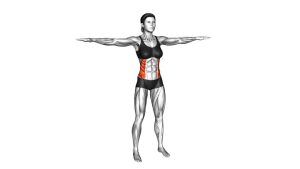
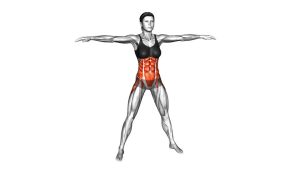
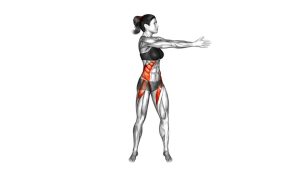
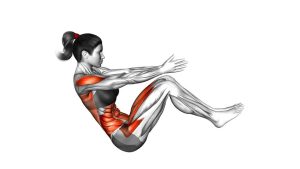
This exercise works best when the hips stay grounded and the torso rotates with precision. Because the lower body remains fixed, the core must guide the twist while the arms assist the tapping pattern. As a result, it is useful for improving seated core control, rotational awareness, and posture-friendly abdominal training.
Quick Overview
| Body Part | Core |
|---|---|
| Primary Muscle | Obliques |
| Secondary Muscle | Rectus abdominis, deep core stabilizers, hip stabilizers |
| Equipment | No equipment required |
| Difficulty | Beginner to Intermediate |
Sets & Reps (By Goal)
- Core activation: 2–3 sets × 8–10 taps per side with slow control.
- Oblique endurance: 3–4 sets × 12–16 total taps using a steady rhythm.
- Mobility and control: 2–3 sets × 6–8 reps per side with a brief pause at each tap.
- Beginner practice: 1–2 sets × 6–8 total reps while keeping the range small.
Progression rule: First improve posture, control, and tap accuracy. Then increase reps or range only if the hips stay stable and the spine stays tall.
Setup / Starting Position
- Sit in a lotus-style position: Cross the legs comfortably and keep both hips grounded.
- Lengthen the spine: Sit tall through the crown of the head without leaning backward.
- Set the shoulders: Relax the shoulders down and keep the chest open.
- Place the hands near the body: Start with the hands close to the knees or thighs.
- Brace gently: Engage the core lightly before beginning the twist.
If the lotus position feels uncomfortable, use a looser cross-legged position while keeping the same upright posture.
Execution (Step-by-Step)
- Start tall: Sit upright with the hips grounded and the core gently engaged.
- Open the arms: Move the arms outward with control while keeping the torso stable.
- Rotate the torso: Twist through the core toward one side without collapsing the chest.
- Tap with control: Reach the hand toward the front, side, or back tap position shown by the movement pattern.
- Return to center: Rotate back smoothly instead of snapping the torso forward.
- Repeat to the other side: Maintain the same slow rhythm and posture on every rep.
Pro Tips & Common Mistakes
- Rotate from the ribs and waist: Do not simply swing the arms side to side.
- Keep the spine tall: Avoid rounding forward as you reach for the tap.
- Use a smooth tempo: Controlled rotation trains the obliques better than fast momentum.
- Keep both hips grounded: Lifting the hips reduces core control and shifts stress into the lower back.
- Do not force lotus depth: Comfort in the seated position is more important than a strict leg shape.
- Breathe through each twist: Exhale gently as you rotate, then inhale as you return to center.
FAQ
What muscles does the Sitting Lotus Pose Twisting Front-Back Tap work?
It mainly targets the obliques. However, the rectus abdominis, deep core stabilizers, and hip stabilizers also help maintain posture and control.
Is this exercise good for beginners?
Yes, it can be beginner-friendly when the range is small and the tempo is slow. However, beginners should avoid forcing the lotus position if the hips or knees feel restricted.
Should I move fast during the taps?
No. This drill is designed for control. Therefore, each tap should feel smooth, balanced, and deliberate rather than rushed.
Can I do this without a full lotus position?
Yes. A comfortable cross-legged position is acceptable. The key goal is stable hips, an upright spine, and controlled torso rotation.
Why do I feel this in my hips?
The hips help stabilize the seated base. If the sensation becomes uncomfortable or sharp, use a looser seated position or reduce the twisting range.
Recommended Equipment (Optional)
- Exercise Yoga Mat — adds floor comfort and helps maintain a stable seated base.
- Meditation Cushion — elevates the hips and can make the seated position easier to hold.
- Yoga Blocks — useful for support, posture assistance, and seated mobility work.
- Stretching Strap — helpful for improving hip mobility before seated core drills.
- Thick Pilates Mat — provides extra cushioning for knees, ankles, and hips during floor exercises.
Tip: Choose comfort-focused equipment first. Better support allows cleaner posture, smoother rotation, and more accurate core engagement.