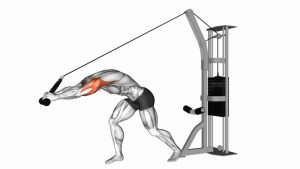
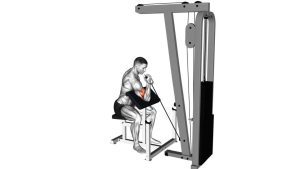
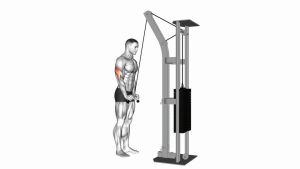
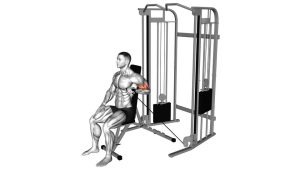
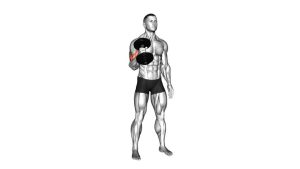
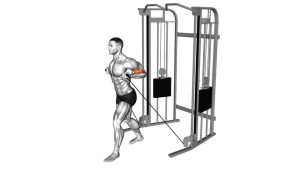
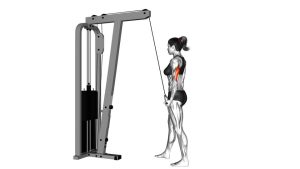
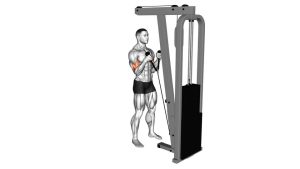
Cable Neutral Grip Biceps Curl: Proper Form, Sets, Tips & FAQ
Learn how to perform the Cable Neutral Grip Biceps Curl with proper form for bigger, stronger arms. Includes setup, execution, sets by goal, common mistakes, FAQs, and recommended equipment.
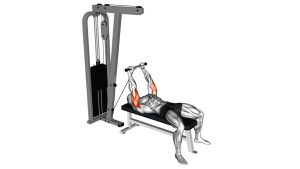
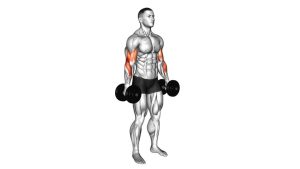
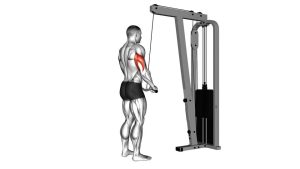
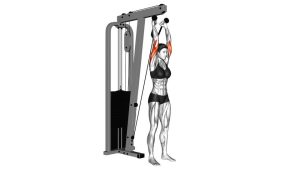
Cable Neutral Grip Biceps Curl
This exercise is especially valuable for lifters who want more arm thickness and a cable variation that feels smoother on the elbows and wrists than some straight-bar curls. The neutral grip shifts extra emphasis toward the brachialis, which can help make the upper arms look fuller from the front and side. Since the resistance comes from cables, you get more consistent tension than with many free-weight curl variations.
Quick Overview
| Body Part | Biceps |
|---|---|
| Primary Muscle | Brachialis and Biceps Brachii |
| Secondary Muscle | Brachioradialis, forearms, and elbow stabilizers |
| Equipment | Cable machine with single handles |
| Difficulty | Beginner to Intermediate |
Sets & Reps (By Goal)
- Muscle growth: 3–4 sets × 8–12 reps with controlled tempo and a full squeeze at the top
- Arm thickness focus: 3–5 sets × 10–15 reps with strict form and short rest periods
- Strength emphasis: 3–4 sets × 6–8 reps using heavier resistance without body swing
- Finisher / pump work: 2–3 sets × 12–20 reps with lighter weight and constant tension
Progression rule: Increase the weight only when you can keep the elbows stable, maintain a neutral wrist, and complete every rep without leaning back or using momentum.
Setup / Starting Position
- Set the pulleys low: Attach single handles to the low cable pulleys on each side.
- Grab the handles with a neutral grip: Palms should face inward toward each other.
- Step into position: Stand tall in the center, usually with a slight staggered stance for balance.
- Let the arms extend naturally: Start with the arms slightly behind or beside the torso, depending on machine setup.
- Brace your body: Keep your chest up, shoulders down, core engaged, and eyes forward.
Tip: A split stance often helps reduce body sway and makes it easier to keep the movement strict.
Execution (Step-by-Step)
- Start from the stretched position: Allow the arms to extend fully while maintaining tension in the cables.
- Initiate the curl by bending the elbows: Pull the handles upward while keeping the upper arms mostly fixed.
- Keep the grip neutral: Do not rotate the wrists; maintain a hammer-style hand position throughout.
- Curl until the handles approach the torso: Squeeze the biceps hard at the top without letting the shoulders roll forward.
- Pause briefly: Hold the contraction for a moment to maximize muscle engagement.
- Lower under control: Return slowly to the starting position and fully lengthen the arms without losing posture.
Pro Tips & Common Mistakes
- Keep your elbows close to your sides: Excess elbow drift can turn the movement into a front-delt-assisted curl.
- Use a full range of motion: Don’t cut the bottom short; the stretched position is one of the best parts of this exercise.
- Stay neutral at the wrists: Bending the wrists can shift tension away from the target muscles.
- Don’t lean backward: Swinging your torso to move the handles reduces biceps tension and increases cheating.
- Control the eccentric: Lowering slowly helps build more tension and improves arm development.
- Keep the shoulders relaxed: Avoid shrugging or pulling the shoulders forward as the handles rise.
FAQ
What muscles does the Cable Neutral Grip Biceps Curl work most?
It mainly trains the biceps brachii and brachialis, with the brachioradialis and forearms assisting. The neutral grip is especially useful for emphasizing arm thickness.
Is this better than a regular cable curl with a supinated grip?
Not necessarily better, but different. A neutral grip often feels more comfortable on the wrists and elbows, and it tends to shift more emphasis toward the brachialis and overall arm density.
Can beginners do this exercise?
Yes. Beginners can use this variation effectively as long as they choose a manageable weight and focus on strict form, controlled reps, and steady posture.
Should I curl both arms together or one at a time?
Both options work. Curling both arms together is efficient for overall training, while alternating or single-arm reps may help improve focus, symmetry, and mind-muscle connection.
Where should I place this exercise in my workout?
It fits well in the middle or later part of an arm or upper-body session after compound pulling exercises. It also works great as a focused hypertrophy movement or finishing curl variation.
Recommended Equipment
- Cable Machine Single Handles — ideal for comfortable neutral-grip curls and better wrist positioning
- Resistance Bands with Handles — useful for mimicking curling mechanics when a cable machine is not available
- Weightlifting Gloves or Grip Pads — help improve handle comfort and reduce grip fatigue during higher-rep sets
- Adjustable Cable Machine / Home Gym — allows consistent cable resistance and many arm-training variations
- Arm Blaster for Biceps Training — optional tool that helps keep the elbows fixed and encourages stricter curling form
Tip: Choose accessories that improve comfort and control, but remember that strict technique matters more than extra gear.