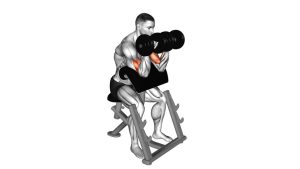
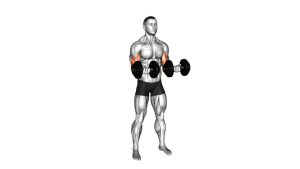
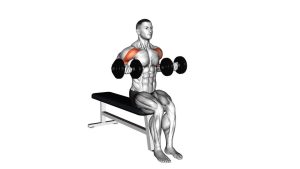
Dumbbell Alternate Seated Hammer Curl: Proper Form, Sets, Muscles Worked & FAQ
Learn how to do the Dumbbell Alternate Seated Hammer Curl with proper form. Discover muscles worked, setup tips, sets and reps by goal, common mistakes, FAQs, and recommended equipment.
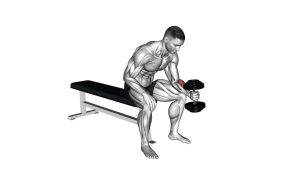
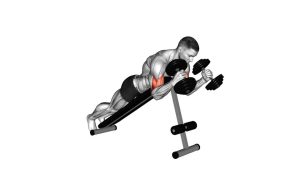
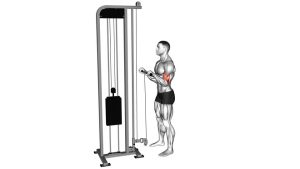
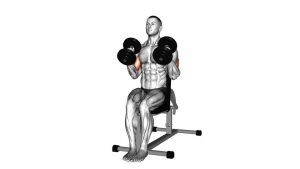
Dumbbell Alternate Seated Hammer Curl
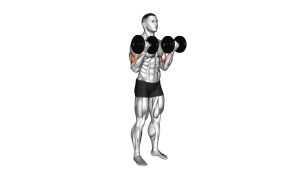
This variation is excellent for building upper-arm thickness and reinforcing strict elbow flexion mechanics. Because you are seated, it becomes harder to swing the weight, making each repetition cleaner and more effective. The alternating pattern also helps you focus on one arm at a time without rushing the movement or losing tension.
Quick Overview
| Body Part | Biceps |
|---|---|
| Primary Muscle | Brachialis |
| Secondary Muscle | Biceps brachii, brachioradialis, forearms |
| Equipment | Dumbbells and a flat bench or seat |
| Difficulty | Beginner to Intermediate |
Sets & Reps (By Goal)
- Muscle growth: 3–4 sets × 8–12 reps per arm
- Strength-focused arm work: 4–5 sets × 6–8 reps per arm
- Technique and control: 2–3 sets × 10–15 reps per arm with slower lowering
- Finisher / pump work: 2–3 sets × 12–15 reps per arm with short rest
Progression rule: Increase weight only when you can keep the torso still, maintain a neutral grip, and lower every rep with control. Clean form matters more than chasing heavier dumbbells.
Setup / Starting Position
- Sit tall on a bench: Keep your chest up, feet flat on the floor, and core lightly braced.
- Hold a dumbbell in each hand: Use a neutral grip with palms facing inward.
- Let the arms hang naturally: Dumbbells should rest beside your thighs without drifting forward.
- Pin the elbows close: Keep them near your torso and avoid flaring them out.
- Set the shoulders: Pull them down and back slightly so the upper body stays stable.
Tip: Sit fully upright instead of reclining. A more upright posture makes it easier to keep the curl strict and reduces unwanted momentum.
Execution (Step-by-Step)
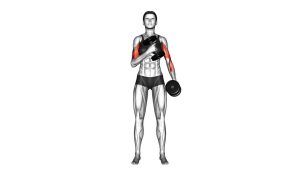
- Start from the bottom: Both arms are extended with dumbbells at your sides in a hammer grip.
- Curl one dumbbell upward: Bend at the elbow only, keeping your upper arm mostly fixed.
- Lift toward shoulder height: Bring the dumbbell up in a smooth arc without turning the wrist.
- Squeeze briefly at the top: Pause for a moment when the forearm is nearly vertical.
- Lower under control: Slowly return the dumbbell to the start position without dropping it.
- Alternate arms: Once one side is back at the bottom, repeat the same motion with the other arm.
- Repeat evenly: Keep the tempo controlled and match the same range of motion on both sides.
Pro Tips & Common Mistakes
- Stay seated tall: Don’t lean back to help the dumbbell up.
- Keep the grip neutral: Don’t rotate into a fully supinated curl if the goal is a true hammer curl.
- Move one arm with intent: Let the non-working arm stay quiet instead of bouncing or pre-loading.
- Control the lowering phase: A slow eccentric helps keep tension on the target muscles.
- Don’t let elbows drift forward: Too much shoulder involvement reduces isolation.
- Use full but clean range: Extend the arm fully at the bottom without relaxing posture.
- Avoid oversized dumbbells: Heavy cheating turns the movement into a swing instead of a curl.
FAQ
What muscles does the Dumbbell Alternate Seated Hammer Curl work?
It mainly targets the brachialis, with strong assistance from the biceps brachii and brachioradialis. It is especially useful for building upper-arm thickness and improving forearm contribution.
Why do this exercise seated instead of standing?
Sitting down reduces momentum and helps keep the torso stable. That usually leads to stricter reps and better isolation of the working muscles.
Should I curl both arms together or alternate them?
Alternating works very well because it lets you focus on one side at a time, maintain better control, and reduce the urge to swing both dumbbells.
How heavy should I go on seated hammer curls?
Choose a load that allows smooth reps with no leaning back, no elbow flare, and a controlled lowering phase. If form breaks early, lighten the weight.
Is this exercise better for biceps peak or arm thickness?
Hammer curls are generally more associated with arm thickness because they emphasize the brachialis and brachioradialis more than a fully supinated curl does.
Recommended Equipment
- Adjustable Dumbbell Set — ideal for progressive overload without needing multiple fixed dumbbells
- Adjustable Weight Bench — gives you a stable seated setup for strict hammer curls and other upper-body work
- Wrist Wraps for Weightlifting — helpful if you want extra wrist support during arm training
- Weight Lifting Gloves — can improve grip comfort and reduce hand fatigue during dumbbell sessions
- Resistance Bands Set — useful for warm-ups, arm finishers, and extra elbow-friendly volume
Tip: Choose equipment that supports clean technique first. For this movement, a stable bench and a pair of manageable dumbbells matter more than fancy accessories.