Dumbbell Alternate Hammer Strict Curl: Form, Muscles Worked, Sets, Tips & FAQ
Learn the Dumbbell Alternate Hammer Strict Curl with proper strict form, setup, execution, sets and reps by goal, common mistakes, FAQs, and recommended equipment for bigger, stronger arms.
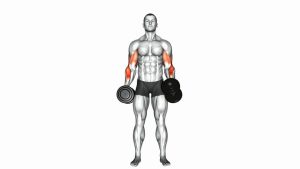
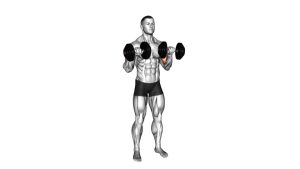
Dumbbell Alternate Hammer Strict Curl
This variation is excellent for lifters who want cleaner curling mechanics, more arm isolation, and better control through both the lifting and lowering phases. The hammer grip shifts extra emphasis toward the brachialis and forearms, which can help improve total upper-arm thickness while still training the biceps effectively.
Quick Overview
| Body Part | Biceps |
|---|---|
| Primary Muscle | Brachialis and brachioradialis |
| Secondary Muscle | Biceps brachii, forearms, and grip muscles |
| Equipment | Pair of dumbbells |
| Difficulty | Beginner to Intermediate |
Sets & Reps (By Goal)
- Muscle growth: 3–4 sets × 8–12 reps per arm with 60–90 seconds rest
- Strength-focused arm work: 4–5 sets × 6–8 reps per arm with 90–120 seconds rest
- Technique and control: 2–3 sets × 10–15 reps per arm using lighter dumbbells and slower tempo
- Finisher / pump work: 2–3 sets × 12–15 reps per arm with short rest and strict form
Progression rule: Increase reps before increasing weight. Only move up when you can complete every rep without torso swing, elbow drift, or rushing the eccentric.
Setup / Starting Position
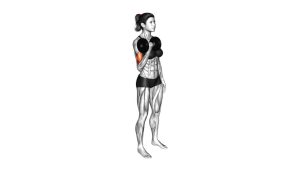
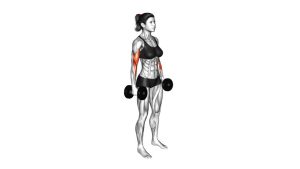
- Stand tall: Place your feet about hip-width to shoulder-width apart and brace your core.
- Hold the dumbbells at your sides: Use a neutral grip with your palms facing inward.
- Keep the chest up: Maintain a proud chest, relaxed shoulders, and a long neck.
- Pin the elbows close: Your elbows should stay near your torso without drifting forward.
- Start from full extension: Let both arms hang straight without losing posture.
Tip: Before the first rep, squeeze the handles firmly and brace your abs to reduce body sway.
Execution (Step-by-Step)
- Stabilize your body: Keep your torso upright and still before starting the curl.
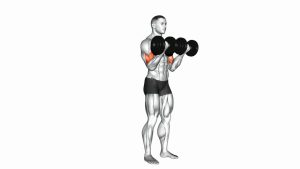
- Curl one dumbbell up: Flex the elbow and bring one dumbbell toward shoulder height while keeping the hammer grip.
- Keep the elbow fixed: Do not let the elbow travel far forward or away from the body.
- Squeeze at the top: Pause briefly when the forearm nears the upper arm without shrugging the shoulder.
- Lower with control: Slowly return the dumbbell to the starting position until the arm is fully extended.
- Switch sides: Repeat the same motion with the opposite arm, alternating reps in a steady rhythm.
Pro Tips & Common Mistakes
- Keep the grip neutral: Do not rotate the palm up like a standard curl.
- Control the lowering phase: The eccentric is where a lot of muscle-building stimulus happens.
- Train one side cleanly: Avoid rushing the alternating pattern just to move faster.
- Do not lean back: Torso swing turns a strict curl into a momentum curl.
- Do not shrug the shoulders: Let the arms do the work instead of pulling with the traps.
- Stay close with the elbows: Small movement at the shoulder is fine, but major forward drift reduces isolation.
- Use a full range you can own: Straighten the arm at the bottom and finish with a clean top contraction.
FAQ
What muscles does the Dumbbell Alternate Hammer Strict Curl work?
It mainly targets the brachialis and brachioradialis, while also training the biceps brachii, forearms, and grip muscles.
Why use a hammer grip instead of a regular curl grip?
The hammer grip places more emphasis on the brachialis and forearms, which can improve arm thickness and strengthen the elbow-flexion pattern from a different angle.
Should I curl both dumbbells at the same time or alternate them?
Alternating reps can help you focus on one side at a time, reduce cheating, and maintain cleaner strict form throughout the set.
How heavy should I go?
Use the heaviest dumbbells you can control without swinging your torso, rotating the wrists, or dropping the weight too quickly. Strict form matters more than load here.
Can beginners use this exercise?
Yes. It is beginner-friendly as long as you choose manageable dumbbells and focus on slow, controlled reps with proper posture.
Recommended Equipment
- Adjustable Dumbbells — ideal for progressive overload without needing multiple separate pairs
- Rubber Hex Dumbbell Set — a durable option for home training with stable handling and easy weight selection
- Weightlifting Wrist Wraps — useful if heavier hammer curls make your wrists feel unstable
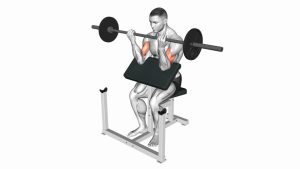
- Adjustable Preacher Curl Bench — a helpful accessory if you want extra biceps isolation alongside standing curls
- Adjustable Dumbbell Set — practical for lifters building a compact home gym with multiple resistance levels
Tip: For this exercise, the most important purchase is a pair of dumbbells that lets you progress gradually while keeping every rep strict.