Dumbbell One-Arm Reverse Preacher Curl: Form, Forearm Focus, Sets & FAQ
Learn how to perform the Dumbbell One-Arm Reverse Preacher Curl with strict form to target the brachioradialis and forearms. Includes setup, execution steps, sets by goal, common mistakes, FAQs, and recommended equipment.
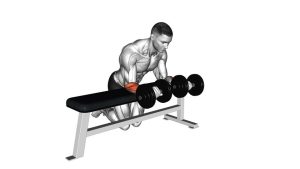
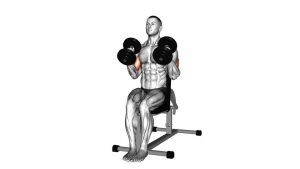
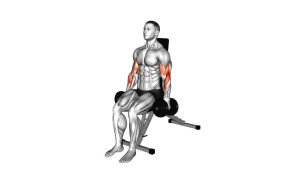
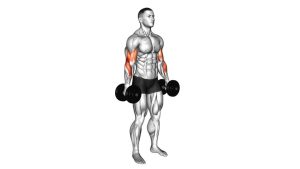
Dumbbell One-Arm Reverse Preacher Curl
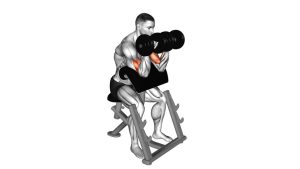
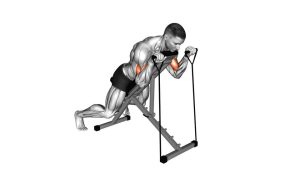
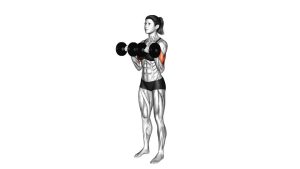
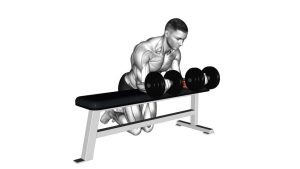
This variation works best when performed with strict control, especially during the lowering phase. The preacher bench limits cheating and helps isolate the working arm, making it easier to focus on the brachioradialis and supporting elbow flexors instead of swinging the weight. You should feel the effort mostly through the upper forearm and front of the arm, not in the shoulder or lower back.
Quick Overview
| Body Part | Forearms |
|---|---|
| Primary Muscle | Brachioradialis |
| Secondary Muscle | Brachialis, wrist extensors, biceps brachii (secondary support) |
| Equipment | Dumbbell and preacher bench |
| Difficulty | Beginner to Intermediate |
Sets & Reps (By Goal)
- Forearm hypertrophy: 3–4 sets × 8–12 reps per arm, 60–90 sec rest
- Strength-focused arm work: 4–5 sets × 5–8 reps per arm, 90–120 sec rest
- Technique and control: 2–3 sets × 10–15 reps per arm, lighter weight, 45–75 sec rest
- Accessory after curls or rows: 2–3 sets × 8–12 reps per arm, controlled tempo
Progression rule: Increase reps first, then add small amounts of weight only when you can keep the elbow fixed, the wrist stable, and the eccentric phase slow and controlled.
Setup / Starting Position
- Adjust the preacher bench: Set the bench so your armpit and upper arm rest comfortably against the pad without forcing the shoulder up.
- Take a pronated grip: Hold one dumbbell with your palm facing down.
- Brace the working arm: Place the back of the upper arm firmly on the preacher pad with the elbow aligned naturally near the lower section of the pad.
- Start near full extension: Let the arm extend almost fully at the bottom without aggressively locking the elbow.
- Set your posture: Keep your chest steady, shoulders level, and non-working hand relaxed on the bench or your thigh for balance.
Tip: A slightly lighter load usually produces better forearm tension here because the reverse grip makes the exercise harder to control than a standard preacher curl.
Execution (Step-by-Step)
- Stabilize the arm: Press the upper arm into the pad and keep the shoulder quiet before initiating the rep.
- Curl the dumbbell upward: Flex the elbow smoothly while keeping the palm facing down and the wrist mostly neutral.
- Stay strict through mid-range: Let the forearm rise under control without lifting the elbow off the pad or rocking your torso.
- Squeeze near the top: Stop just before your form breaks, then briefly contract the forearm and upper arm at peak tension.
- Lower slowly: Reverse the motion with control until the arm returns to near full extension.
- Reset and repeat: Pause briefly at the bottom without losing tension, then begin the next rep smoothly.
Pro Tips & Common Mistakes
- Use a true overhand grip: Don’t let the hand rotate toward neutral as the rep gets harder.
- Keep the wrist stacked: Excessive wrist bending can reduce forearm tension and irritate the joint.
- Don’t yank from the bottom: Start each rep smoothly to avoid stressing the elbow tendons.
- Keep the elbow planted: If the upper arm lifts off the pad, you lose the isolation benefit.
- Control the lowering phase: The eccentric portion is one of the most valuable parts of the rep for muscle growth.
- Use moderate loads: Reverse-grip preacher work gets sloppy fast when the weight is too heavy.
- Train both sides evenly: Match reps and tempo from arm to arm for balanced development.
FAQ
What muscles does the Dumbbell One-Arm Reverse Preacher Curl target most?
The main emphasis is on the brachioradialis, with strong assistance from the brachialis and other forearm muscles. The biceps still help, but less than in a supinated curl.
Why use a reverse grip on the preacher bench?
The reverse grip shifts more work toward the forearms and brachioradialis, while the preacher pad reduces momentum and makes the exercise stricter.
Should I go all the way down at the bottom?
You can lower to near full extension, but avoid slamming into lockout. Stay controlled and keep tension on the muscles instead of relaxing completely.
Is this better for forearms than a regular preacher curl?
For forearm and brachioradialis emphasis, yes. A standard preacher curl with a supinated grip usually shifts more tension toward the biceps.
How heavy should I go on this exercise?
Use a load that lets you maintain a pronated grip, steady wrist, and strict tempo. Most lifters need less weight here than on standard preacher curls.
Recommended Equipment (Optional)
- Adjustable Dumbbell — ideal for fine-tuning resistance as your forearm strength improves
- Preacher Curl Bench — provides the arm support needed for strict isolation and cleaner elbow mechanics
- Wrist Wraps — helpful for lifters who want added wrist support during pronated curling work
- Thick Grip Handle Attachments — optional tool for increasing grip and forearm demand during accessory training
- Massage Ball for Forearm Recovery — useful for soft-tissue work if your forearms get tight from curling volume
Tip: For most people, the most important tools here are a comfortable preacher bench and a dumbbell with manageable weight jumps.