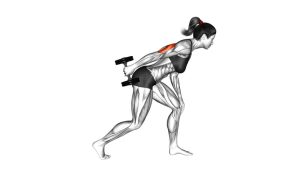
Dumbbell Prone Triceps Kickback: Form, Muscles Worked, Sets, Tips & FAQ
Learn how to do the Dumbbell Prone Triceps Kickback with strict form to isolate the triceps and reduce momentum. Includes setup, execution, sets by goal, mistakes, FAQs, and recommended equipment.
Dumbbell Prone Triceps Kickback
This variation is especially useful for lifters who want a cleaner triceps contraction than they get from standing kickbacks. Because your chest is supported, it is easier to keep the torso still, limit momentum, and feel the work in the back of the upper arms. It fits well in hypertrophy-focused arm sessions, upper-body accessory work, or controlled finishers after pressing exercises.
Quick Overview
| Body Part | Triceps |
|---|---|
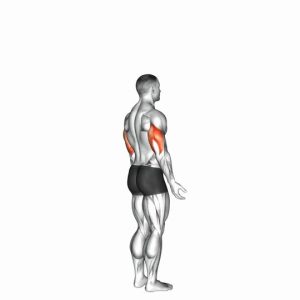
| Primary Muscle | Triceps brachii |
| Secondary Muscle | Posterior deltoids and upper-back stabilizers (light support) |
| Equipment | Dumbbells and an incline bench |
| Difficulty | Beginner to Intermediate |
Sets & Reps (By Goal)
- Muscle growth: 3–4 sets × 10–15 reps with controlled tempo and 45–75 seconds rest
- Technique practice: 2–3 sets × 8–12 reps using a light load and strict pauses at lockout
- Pump / finisher work: 2–3 sets × 12–20 reps with constant tension and short rest periods
- Upper-body accessory day: 3 sets × 10–14 reps after compound presses or rows
Progression rule: First improve rep quality, range, and top-position squeeze. Then add reps. Increase load only when you can keep the upper arms fixed and the tempo smooth.
Setup / Starting Position
- Set the bench: Adjust an incline bench to a low-to-moderate angle so your chest can stay supported comfortably.
- Lie prone on the bench: Place your chest against the pad and keep your neck neutral with eyes facing slightly forward or down.
- Plant your feet: Keep your lower body stable so the bench position feels secure.
- Hold the dumbbells: Use a neutral grip with palms facing inward.
- Bring elbows up: Raise your upper arms so the elbows sit close to your torso and slightly behind the line of your body.
- Start bent: Begin with elbows flexed around 90 degrees and forearms hanging downward under control.
Tip: Think of “pinning” your upper arms in place before each rep. The less your shoulders move, the more the triceps do the work.
Execution (Step-by-Step)
- Brace the setup: Press your chest gently into the bench and keep your torso still.
- Lock in the elbows: Keep the upper arms tucked and fixed near the torso.
- Extend the elbows: Drive the dumbbells backward by straightening your arms, not by swinging from the shoulders.
- Reach near full lockout: Stop when the arms are almost straight and the triceps are fully shortened.
- Squeeze at the top: Hold the peak contraction briefly for 1 second.
- Lower slowly: Return the dumbbells to the start by bending the elbows under control.
- Repeat evenly: Keep the tempo smooth and avoid rushing the eccentric phase.
Pro Tips & Common Mistakes
- Keep the chest glued to the bench: This is what makes the variation stricter than a standing kickback.
- Lead with elbow extension: Don’t throw the dumbbells up with body English.
- Use a short pause at the top: A clean squeeze improves mind-muscle connection.
- Don’t go too heavy: Kickbacks respond better to control than brute loading.
- Avoid elbow drift: If the elbows travel too much, tension leaves the triceps.
- Control the lowering phase: The eccentric keeps tension on the upper arms and improves rep quality.
- Keep wrists neutral: Don’t excessively curl or extend the wrists to finish the rep.
FAQ
What makes the prone triceps kickback different from the standing version?
The chest-supported setup reduces torso movement and momentum, which makes it easier to isolate the triceps and keep the rep strict.
Which part of the triceps does this exercise target most?
All three heads of the triceps work, but this angle can be especially useful for emphasizing a strong contraction through the long head when the upper arm stays extended behind the torso.
How heavy should I go on dumbbell prone triceps kickbacks?
Lighter than many people expect. Choose a weight that lets you keep the elbows high, the torso still, and the lockout controlled for the full set.
Should I lock out completely?
You should reach near full elbow extension and squeeze hard, but avoid snapping into an aggressive hyperextended lockout. Keep the finish smooth and controlled.
Where should I feel this exercise?
Primarily in the back of the upper arms. If you mostly feel it in the shoulders or lower back, reduce the weight and tighten up your setup.
Recommended Equipment
- Adjustable Dumbbells — practical for progressing kickbacks gradually without needing a full rack
- Adjustable Weight Bench — needed for the chest-supported incline setup used in this variation
- Light Dumbbell Set — useful if you want strict high-rep triceps work with smaller weight jumps
- Lifting Straps — optional grip support if forearm fatigue limits your arm accessories
- Gym Interval Timer — helps keep rest periods consistent for hypertrophy-focused arm sessions
For most people, the only essentials are dumbbells and an adjustable bench. The rest are optional convenience tools.