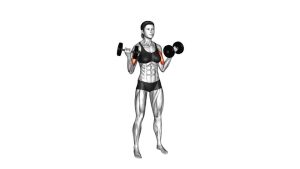
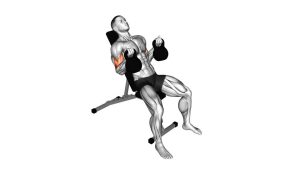
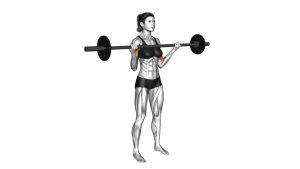
Dumbbell Preacher Curl Over Exercise Ball: Form, Muscles Worked, Sets, Tips & FAQ
Learn how to do the Dumbbell Preacher Curl Over Exercise Ball with strict form to isolate the biceps. Includes muscles worked, setup, step-by-step execution, sets by goal, common mistakes, FAQ, and recommended equipment.
Dumbbell Preacher Curl Over Exercise Ball
This variation is useful for lifters who want the benefits of a preacher curl without a preacher bench. The ball creates a supported angle that helps keep the elbows stable while the biceps do most of the work. Because momentum is reduced, this exercise is best performed with light-to-moderate weight and a deliberate tempo.
Quick Overview
| Body Part | Biceps |
|---|---|
| Primary Muscle | Biceps brachii |
| Secondary Muscle | Brachialis and brachioradialis |
| Equipment | Dumbbells and exercise ball / stability ball |
| Difficulty | Beginner to Intermediate |
Sets & Reps (By Goal)
- Muscle growth: 3–4 sets × 8–12 reps with controlled tempo and 60–90 sec rest
- Technique and isolation: 2–3 sets × 10–15 reps with light-to-moderate weight and strict form
- Finisher / pump work: 2–3 sets × 12–20 reps with short rest and constant tension
- Beginner practice: 2–3 sets × 8–10 reps focusing on elbow position and slow lowering
Progression rule: Add reps before increasing load. Only move up in weight when you can keep the upper arms fixed on the ball and control the lowering phase without swinging.
Setup / Starting Position
- Position the ball: Place a stability ball in front of you and kneel behind it in a stable, balanced stance.
- Lean your chest onto the ball: Press your upper torso into the ball so your chest is supported and your body stays steady.
- Drape the upper arms over the ball: Let both upper arms rest against the top/front of the ball in a preacher-style position.
- Hold the dumbbells with a supinated grip: Keep your palms facing upward and your wrists straight.
- Start from the stretched position: Extend your elbows near the bottom without locking out hard, keeping tension on the biceps.
Tip: The ball should support your chest and upper arms comfortably. If it feels too high or too low, adjust your kneeling position or use a different ball size.
Execution (Step-by-Step)
- Brace and settle: Keep your chest pressed into the ball, shoulders down, and upper arms fixed in place.
- Begin the curl: Flex at the elbows and curl both dumbbells upward while keeping the upper arms glued to the ball.
- Stay strict through the mid-range: Avoid lifting the elbows, shrugging the shoulders, or using body momentum to help the weights up.
- Squeeze at the top: Bring the dumbbells near shoulder level and pause briefly to contract the biceps.
- Lower under control: Slowly return the dumbbells to the starting position, maintaining tension and avoiding a sudden drop.
- Repeat smoothly: Perform each rep with the same path and tempo, keeping the movement clean from start to finish.
Pro Tips & Common Mistakes
- Use lighter weight than standing curls: The supported setup removes cheating, so the biceps work harder with less load.
- Keep the upper arms pinned: If your elbows lift off the ball, you lose the preacher-style isolation.
- Control the eccentric: The lowering phase is where a lot of muscle-building tension happens, so do not rush it.
- Don’t curl with bent wrists: Keep the wrists stacked and neutral to reduce unnecessary forearm strain.
- Avoid bouncing into the bottom: Lower until the biceps are stretched, but do not slam the elbows straight or relax completely.
- Keep the shoulders quiet: The exercise should feel like a curl, not a front raise.
- Use full, clean reps: A moderate range with total control is better than partial reps with momentum.
FAQ
What muscles does the Dumbbell Preacher Curl Over Exercise Ball work?
It mainly targets the biceps brachii, with the brachialis and brachioradialis helping during the curl. The support from the ball reduces momentum so the biceps stay under more direct tension.
Is this a good alternative to a preacher bench curl?
Yes. It mimics the preacher curl angle and support while using an exercise ball instead of a bench. It is especially useful in home gyms or lighter dumbbell-based workouts.
Should I use heavy dumbbells for this exercise?
Usually no. This movement works best with strict control and a full squeeze. Going too heavy often causes elbow lift, shoulder involvement, and sloppy reps.
Can beginners do this exercise?
Yes, as long as they use manageable weight and stay balanced on the kneeling setup. Beginners should focus on slow reps, stable posture, and keeping the upper arms fixed to the ball.
How is this different from a standard standing dumbbell curl?
In a standing curl, it is easier to use body momentum or let the elbows drift. Over the ball, the support helps isolate the biceps more and encourages stricter preacher-style mechanics.
Recommended Equipment
- Adjustable Dumbbells — ideal for progressive overload without needing a full rack of weights
- Exercise Ball / Stability Ball — the key support tool for creating the preacher-style setup
- Kneeling Exercise Mat — adds comfort and support for the knees during the setup
- Wrist Wraps — optional support if your wrists fatigue during strict curling work
- Dumbbell Storage Rack — useful for organizing multiple dumbbell pairs in a home gym setup
Tip: Choose equipment that helps you maintain control and consistency. For this exercise, clean positioning and strict reps matter more than lifting heavy.