Dumbbell Incline Alternate Hammer Curl: Form, Muscles Worked, Sets, Tips & FAQ
Learn how to do the Dumbbell Incline Alternate Hammer Curl with strict form. Discover muscles worked, setup, step-by-step execution, sets by goal, common mistakes, FAQs, and recommended equipment.
Dumbbell Incline Alternate Hammer Curl
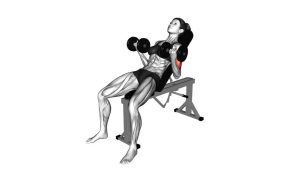
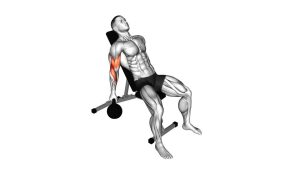
This variation is excellent for building upper-arm size and clean curl mechanics because the bench limits body swing and encourages a more isolated rep. In the video, the lifter stays pinned to the bench, keeps a neutral wrist, and alternates each curl with a smooth tempo. The goal is not to throw the dumbbells up, but to lift through a controlled arc, squeeze near the top, and lower under tension.
Quick Overview
| Body Part | Biceps |
|---|---|
| Primary Muscle | Brachialis |
| Secondary Muscle | Biceps brachii, brachioradialis, forearm flexors |
| Equipment | Incline bench and dumbbells |
| Difficulty | Beginner to Intermediate |
Sets & Reps (By Goal)
- Muscle growth: 3–4 sets × 8–12 reps per arm with 60–90 seconds rest
- Strength-focused arm work: 4–5 sets × 6–8 reps per arm with 90–120 seconds rest
- Technique and control: 2–3 sets × 10–15 reps per arm with light-to-moderate load
- Finisher / pump work: 2–3 sets × 12–15 reps per arm with slow lowering
Progression rule: First improve rep quality, range, and tempo. Then increase weight in small jumps once you can complete all prescribed reps without swinging or losing bench contact.
Setup / Starting Position
- Adjust the bench: Set an incline bench to roughly 45–60 degrees so your torso is supported.
- Sit back fully: Keep your head, upper back, and hips in contact with the pad.
- Hold the dumbbells neutrally: Palms face each other and wrists stay straight.
- Let the arms hang long: Start with the elbows extended and the upper arms slightly behind the torso.
- Brace lightly: Keep your chest open, shoulders down, and core tight enough to stay stable.
Tip: Choose a load you can control through the bottom stretch. If the dumbbells pull your shoulders forward, the weight is probably too heavy.
Execution (Step-by-Step)
- Start from the bottom: Let both dumbbells hang with a full but comfortable arm extension.
- Curl one arm first: Drive the dumbbell upward with a hammer grip while keeping the elbow close to its original position.
- Lift in a clean arc: Bring the weight toward shoulder level without twisting the wrist or rocking the torso.
- Squeeze at the top: Briefly contract the upper arm muscles without letting the shoulder roll forward.
- Lower under control: Return the dumbbell slowly to the stretched bottom position.
- Alternate sides: Once one arm is down, repeat the same motion with the other arm.
- Maintain rhythm: Continue alternating reps until both sides complete the target total.
Pro Tips & Common Mistakes
- Keep the grip neutral: Don’t turn the curl into a supinating curl unless that is your goal.
- Don’t swing off the bench: If your torso rocks to finish the rep, reduce the load.
- Control the bottom stretch: The incline makes the starting position more demanding, so avoid bouncing out of the bottom.
- Use a full but pain-free range: Reach long at the bottom, but do not force shoulder extension if it feels uncomfortable.
- Lower slowly: The eccentric phase is where a lot of the muscle-building stimulus happens.
- Match both arms: Keep the same tempo and range on the left and right sides.
- Don’t shrug: Keep the traps relaxed so the upper arms, not the shoulders, do the work.
FAQ
What muscles does the dumbbell incline alternate hammer curl work?
It mainly targets the brachialis, while also training the biceps brachii, brachioradialis, and supporting forearm muscles.
Why use an incline bench for hammer curls?
The incline bench places the arms slightly behind the torso, which increases stretch at the bottom and reduces body English, making the curl stricter and more isolated.
Should I curl both arms together or alternate them?
Alternating reps can make it easier to stay controlled and focus on each side individually. It also gives one arm a brief rest while the other works.
How heavy should I go?
Use a weight that lets you keep your back on the bench, maintain a neutral wrist, and lower slowly. If you need momentum to finish reps, go lighter.
Is this better than a standing hammer curl?
It is usually stricter than the standing version because the bench reduces cheating. Standing hammer curls may allow heavier loading, but incline hammer curls are often better for isolation and stretch.
Recommended Equipment
- Adjustable Incline Weight Bench — the key setup tool for getting the stretched incline position used in this exercise
- Adjustable Dumbbells — practical for progressing load gradually without needing multiple fixed pairs
- Weightlifting Gloves — helpful if grip fatigue or handle pressure limits your arm work
- Wrist Wraps — useful for lifters who want extra wrist support while keeping a neutral handle position
- Dumbbell Rack — keeps your training area organized and makes dumbbell changes easier between sets
Tip: For this exercise, an adjustable bench and a dumbbell setup you can micro-progress are the two most useful upgrades.